From Dominion to Dialogue
For centuries, the built environment functioned as an instrument of mastery. Architects and engineers wielded structure, envelope, and infrastructure to separate interior from exterior, to moderate climate, to carve habitable zones from landscapes that resisted occupation. This paradigm treated soil, water, flora, and fauna as inputs to be harnessed or obstacles to be overcome. The logic was extractive: terraform the site, channel the river, clear the canopy, pour the foundation.
That model is eroding. Across the projects we have covered this year, a distinct shift is underway. Practitioners are no longer asking how buildings can dominate their contexts, but how they might participate in them. This reorientation is not aesthetic or superficial. It demands that architecture engage with temporalities and agencies far beyond the human: the slow accretion of sediment, the seasonal migration of pollinators, the decomposition of cellulose, the colonization of surfaces by lichen and moss.
Metabolic Materiality
The first site of transformation is material. Where modernism celebrated inert, stable substances like concrete, steel, and glass, a new generation of designers is exploring substrates that behave more like tissue than assemblage. Mycelium composites, hempcrete, bacterial cellulose, cross-laminated timber grown in managed forests, these are materials with life cycles, not just service lives. They grow, cure, absorb moisture, off-gas, shrink, expand, and eventually return to soil or atmosphere.
This is not merely a question of carbon accounting, though embodied energy matters. It is a conceptual pivot. When a material can grow, it implies a different relationship between architect and outcome. The designer specifies conditions, inoculates a substrate, monitors growth, and harvests at maturity. The agency is shared. The timeline is biological, not industrial.
We see this logic operationalized in projects like the MycoTree pavilion, which employed fungal mycelium as both binder and structural member, or in the emerging work of studios experimenting with algae-based façade panels that photosynthesize, sequester carbon, and produce biomass. These are not prototypes in search of scale; they are proofs of concept that architecture can function as a participant in carbon and nutrient cycles, rather than a net consumer.
Temporal Entanglement
If materials introduce biological time, then the broader question becomes: what does it mean for a building to exist across multiple, overlapping durations? Human occupation might span decades. Microbial colonization begins within hours. Structural timber continues to cure for years. Concrete carbonates over centuries. Sediment accumulates. Rivers meander. Species adapt or depart.
This multiplicity of timescales challenges the profession's inherited focus on the moment of completion. A building is never finished; it is always becoming. Adaptive reuse has long acknowledged this, but the emerging paradigm goes further. It asks architects to design for transformation, to anticipate decay, to choreograph succession.
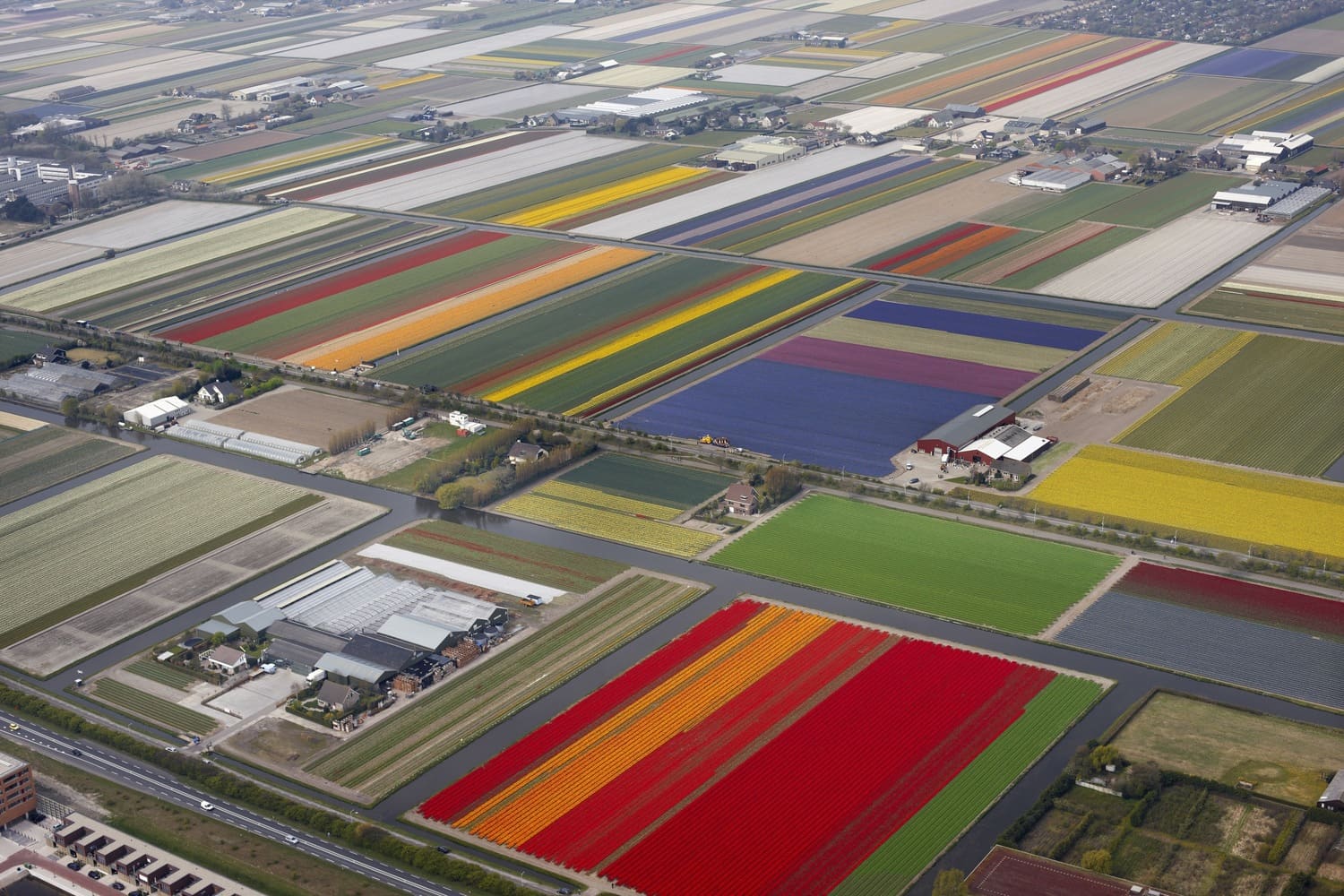
Consider the Dutch tradition of terp-building, artificial mounds constructed over centuries to protect settlements from flooding. These structures were not static. They grew incrementally, layer by layer, as communities expanded and sea levels shifted. They were infrastructures of accretion, shaped by human labor but responsive to hydrological and ecological pressures. Contemporary practices are beginning to recover this logic, designing buildings that can be disassembled, reconfigured, or reabsorbed into landscapes without catastrophic disruption.
Non-Human Stakeholders
The most radical dimension of this shift is ontological. If buildings participate in living systems, then their design must account for non-human interests. Not as externalities or regulatory constraints, but as legitimate claims on space, resources, and decision-making.
This is not a romantic return to nature. It is an acknowledgment that buildings create habitats, whether intentionally or not. Façades host birds, insects, and epiphytes. Roofs collect water and provide thermal refuge. Foundations alter hydrology and soil chemistry. These effects ripple outward, shaping the viability of ecosystems at multiple scales.
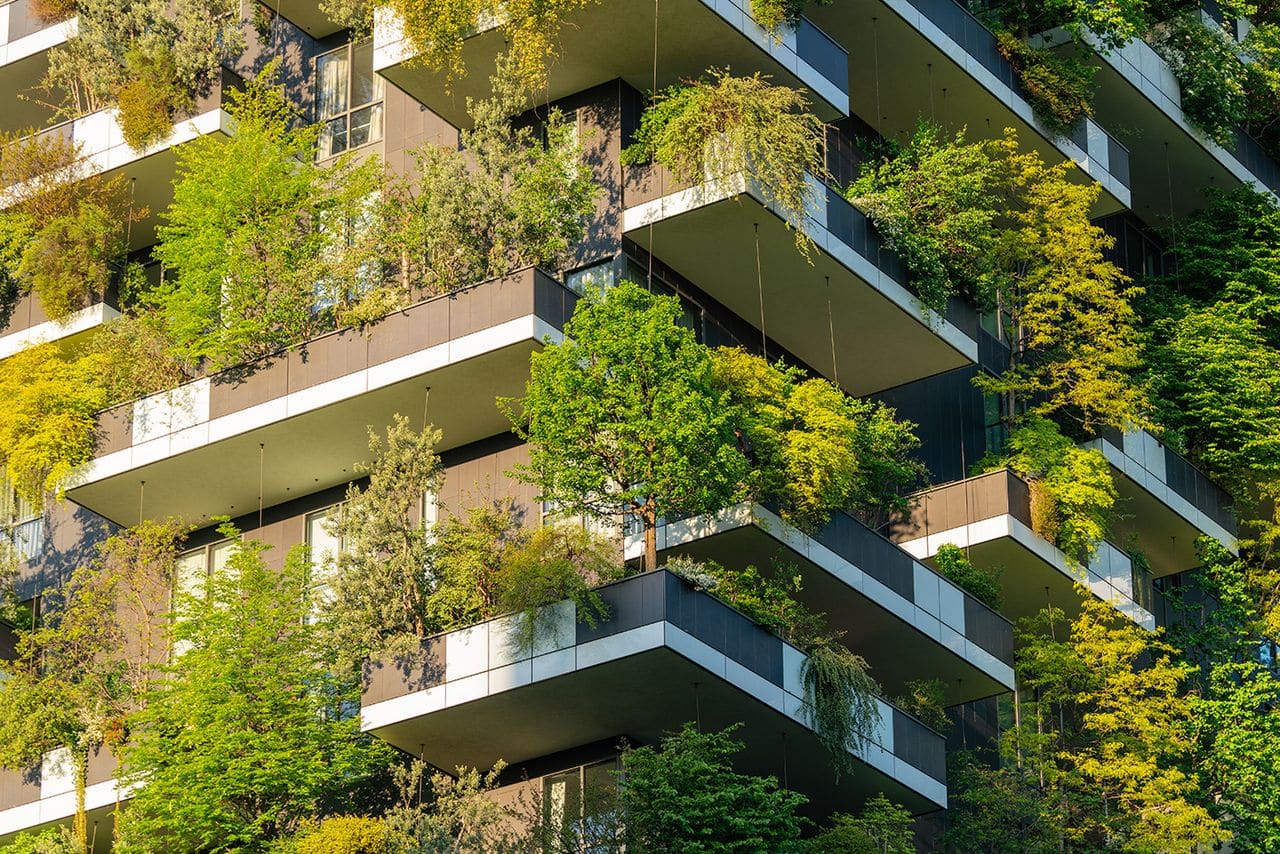
Forward-thinking practitioners are beginning to design for this entanglement. Green roofs are evolving into biodiverse habitats tailored to regional species. Façades incorporate nesting cavities, roosting ledges, and planting pockets. Stormwater systems mimic natural hydrology, supporting amphibian breeding and native vegetation. The language is shifting from "green building" to "living architecture," a distinction that foregrounds ecological function over environmental performance metrics.
Precedents and Trajectories
This is not without precedent. Vernacular traditions across climates have long understood buildings as embedded in ecological and seasonal rhythms. The stone huts of the Mediterranean, with their thick walls and minimal openings, modulate temperature through thermal mass and natural ventilation. The stilt houses of Southeast Asia respond to monsoon flooding and facilitate airflow. The sod houses of the Great Plains used local earth as both structure and insulation, minimizing material transport and maximizing thermal performance.
What distinguishes the current moment is the integration of biological knowledge and computational tools. Architects can now model microbial activity, simulate nutrient flows, and predict species colonization patterns. They can collaborate with ecologists, microbiologists, and materials scientists to design buildings that function as nodes in larger metabolic networks.
Yet the trajectory is far from certain. The economic and regulatory frameworks that govern construction remain oriented toward inert materials, static performance, and human-centric metrics. Scaling living materials requires new supply chains, testing protocols, and insurance models. Designing for non-human stakeholders requires new forms of expertise and new definitions of success.
The Practice Ahead
What does this mean for the profession? First, it requires humility. Architects must recognize that buildings are not autonomous objects but participants in systems they cannot fully control. Second, it demands interdisciplinarity. The knowledge required to design living architecture spans biology, geology, climatology, and more. Third, it necessitates patience. Biological processes unfold slowly, and outcomes are probabilistic, not deterministic.
At World Archi Design, we have been tracking this transition for several years, and the evidence is mounting. The projects that compel us now are not those that impose order on chaos, but those that choreograph coexistence. They are buildings that breathe, grow, decay, and regenerate. They are architectures of participation, not domination.
The question is no longer whether architecture should engage with living systems, but how. The discipline is beginning to answer, and the implications reach far beyond the envelope.
Photo: Shutterstock
Save this story. A free account keeps your reading list and the 07:00 email in one place.
CREATE FREE ACCOUNT →SIGN IN