PROJECT INFO
Company: HAS design and research
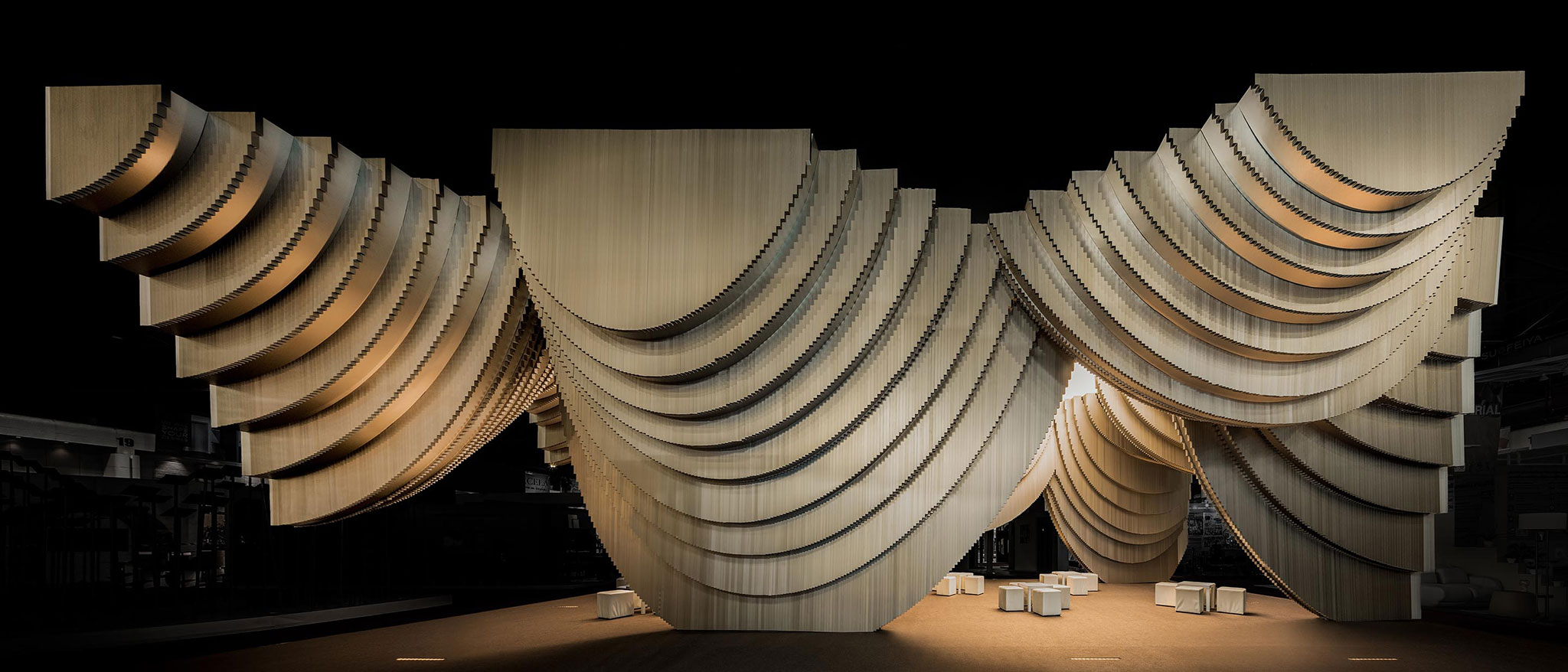
Project name: Aluminum Grotto and Public Ground
Location: Bangkok, Thailand
Designer/ Architect: Jenchieh Hung, Kulthida Songkittipakdee
Manufacturer: KIN Thailand, S-ONE Group, Pacific Pipe
Stakeholder/ Owner: KIN Thailand, The Association of Siamese Architects under Royal Patronage, TTF International
Rooted in Innovation, Inspired by Culture
In the vibrant heart of Bangkok, HAS Design and Research was founded in 2019 by architects Jenchieh Hung and Kulthida Songkittipakdee, whose surname initials - H and S - form the studio’s name HAS design and research. Their practice operates out of both Bangkok and Shanghai and has quickly become known among the region’s most innovative architectural voices
Early on, the duo developed a signature approach called “design + research,” whereby they immerse themselves deeply in the social, cultural, and environmental narratives of each site before arriving at a design solution. These investigations have taken them across sectors - from cultural institutions and religious buildings to installations and experimental structures - each embodying a synthesis of form, pattern, material, and technology into singular, resonant expressions
One of their most celebrated creations, the Aluminum Grotto and Public Ground, was commissioned for the 90th anniversary of the Association of Siamese Architects under Royal Patronage. The project was envisioned not as a temporary pavilion but as a sanctuary for public life, a place where learning, creativity, and community converge without the influence of commerce. It became a platform for workshops, lectures, and artistic exchanges, welcoming visitors into a space designed for both reflection and interaction.

Jenchieh Hung & Kulthida Songkittipakdee - Founders of HAS Design and Research
Source: Jenchieh Hung + Kulthida Songkittipakdee / HAS Design and Research
A Modern Interpretation of Tradition
Covering 180 square meters, the installation takes the form of a floating valley elevated above the ground to create a shaded communal area beneath. This recalls the traditional Thai tai-toon, the multifunctional undercroft of stilt houses that has long served as a place for gathering, working, and resting. By elevating the structure, HAS Design and Research created an architectural gesture that blurs the lines between interior and exterior, solitude and sociability.

A fluid, elevated aluminum structure defines an open public space, fostering community interaction beneath its shaded canopy
The pavilion embodies the studio’s philosophy of “Total-ness Design,” where structure, skin, and space are conceived as one. It is composed of hundreds of thousands of uniquely cut aluminum rods, each produced by local artisans. The varied lengths and arrangements form a rippling surface reminiscent of the meticulous craftsmanship of Thai temple architecture, celebrating heritage while embracing the precision of modern industrial materials.
During certain moments of the day, sunlight filters through the aluminum canopy, creating intricate patterns of light and shadow. This interplay transforms the space into a stage for quiet ceremony, turning everyday encounters into moments filled with beauty and meaning. The project also addresses an urgent urban reality: Bangkok’s green space amounts to just 6.99 square meters per person, well below the nine square meters recommended by the World Health Organization. In this context, the Aluminum Grotto offers a much-needed oasis, a breathing space where nature, light, and community can coexist.

Intricately arranged aluminum rods form a dynamic grotto, a contemporary interpretation of traditional Thai craftsmanship
Recognition and Lasting Influence
The pavilion was honored with the ASA Architect Expo’s Thematic Pavilion of the Year Award and, despite its temporary origins, was later installed permanently in a public space in Khan Na Yao District. It has been praised internationally for its ability to bridge tradition and modernity, earning recognition for both its poetic form and social relevance.
In 2025, HAS Design and Research achieved another milestone when it was named Asia’s Best Firm in Architecture Design by the Asia Architecture Design Awards. The jury commended the studio for its human-centered approach, cultural sensitivity, and dedication to creating architecture that is as meaningful as it is beautiful.
Through their work, Jenchieh Hung and Kulthida Songkittipakdee continue to shape a distinctive architectural language for Southeast Asia. Drawing inspiration from the region’s cultural landscapes and the nuances of everyday urban life, they transform observations into designs that are at once forward-looking and deeply rooted in place. For HAS Design and Research, architecture is not simply the act of building; it is the creation of spaces that preserve memory, foster identity, and invite a shared vision of the future.
Save this story. A free account keeps your reading list and the 07:00 email in one place.
CREATE FREE ACCOUNT →SIGN IN