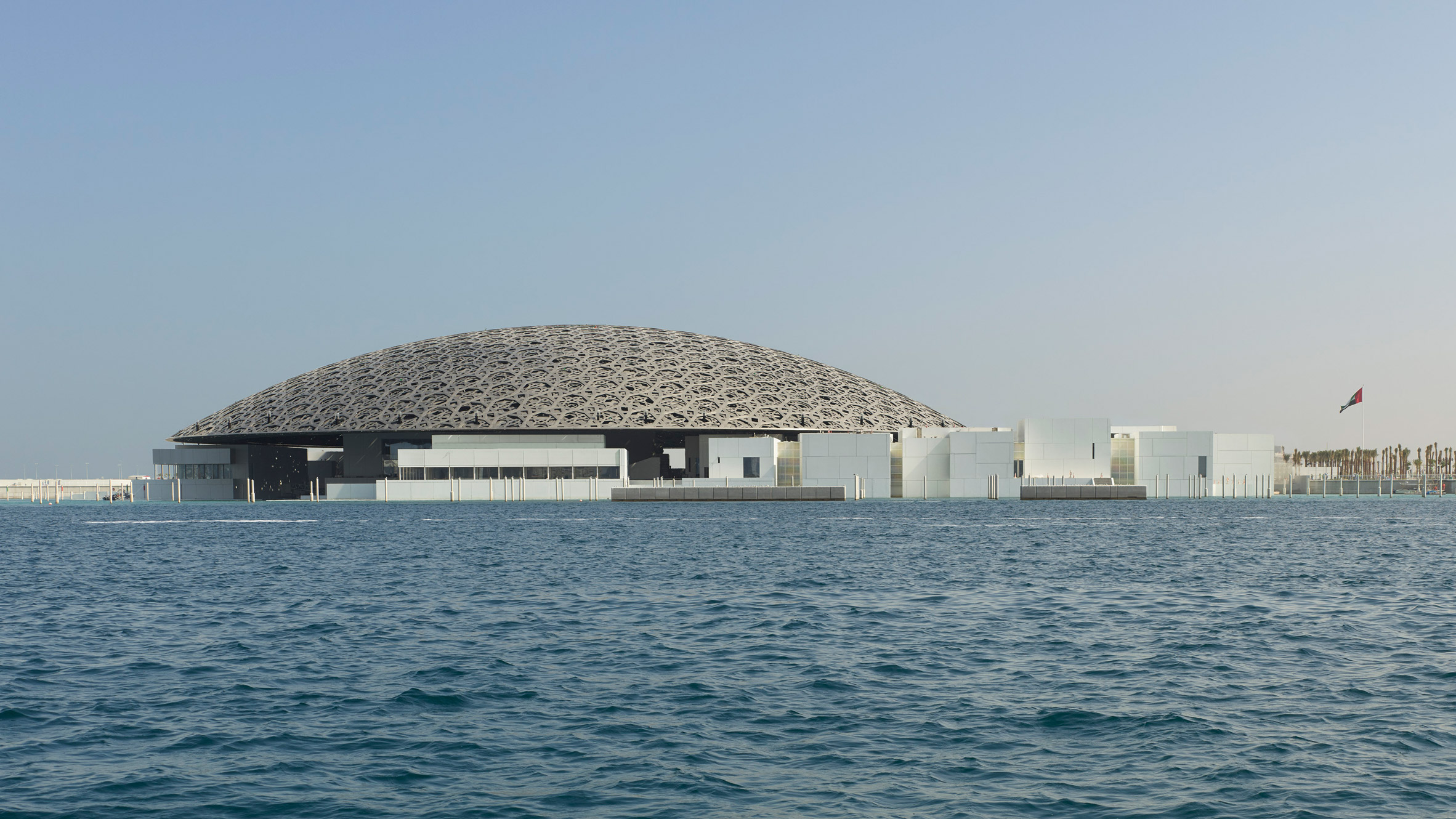
In the Gulf, shade isn’t an amenity, it’s infrastructure. The difference between a livable public space and a punishing one often comes down to whether you can escape the sun, slow the heat, and still feel connected to light and air. The Louvre Abu Dhabi’s vast dome, famous for its “rain of light,” is usually talked about as spectacle. But its real lesson is quieter and more urgent: passive cooling, light control, and human comfort can be designed into architecture at an urban scale, and they can be beautiful.
Shade that actually cools
The dome does more than block sunlight. Its layered, perforated geometry creates a deep shade canopy that dramatically cuts direct solar gain over the museum’s outdoor streets and courtyards. In extreme heat, shade isn’t just about comfort, it’s about survival. By lowering radiant heat on surfaces and people, the dome reduces the “felt temperature” in the public realm below. Pair that with the thermal mass of surrounding structures and proximity to water, and you get microclimates that are measurably cooler than exposed plazas nearby.
This is the underappreciated power move: the building extends its climate performance into the city. Instead of retreating indoors to air-conditioning, visitors can linger, walk, gather. Shade becomes social infrastructure.

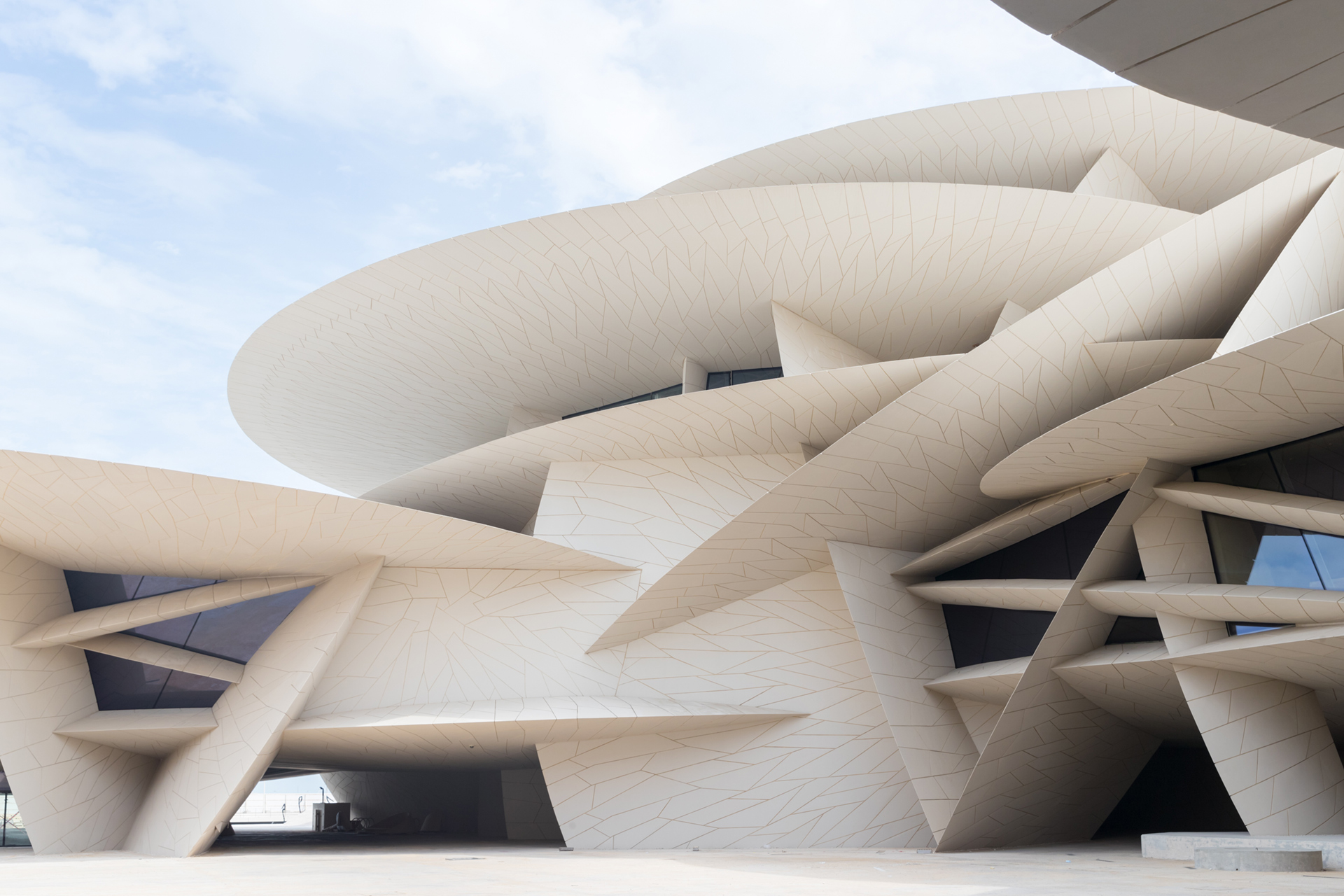
An iconic roof doing quiet work: shading public space and shaping cooler microclimates below
Light control without turning the lights off
There’s a false choice we often make in hot climates: block the sun and lose daylight, or invite daylight and cook. The dome refuses that trade-off. Its complex lattice filters sunlight into dappled patterns that change through the day, delivering soft illumination without the glare and heat load of direct sun. This kind of light control reduces reliance on artificial lighting while keeping spaces legible, calm, and visually rich.
It’s a reminder that daylighting isn’t just about lux levels, it’s about quality. Filtered light can be cooler, gentler, and more humane. In workplaces, schools, transit hubs, and housing, this principle scales: screens, brise-soleil, canopies, and layered façades can admit light while rejecting heat. The Louvre Abu Dhabi just does it with poetry.

The dome’s layered lattice filters daylight while cutting radiant heat
Comfort is design, not just HVAC
In extreme heat, we’ve trained ourselves to think comfort equals air-conditioning. The dome suggests a broader toolkit: shade, airflow, evaporative cooling from nearby water, and materials that don’t radiate stored heat back at people. Comfort becomes a choreography of microclimates. You move from sun to shade, from breeze to stillness, and your body resets without a mechanical intervention at every step.
That matters for resilience. Energy systems fail. Heat waves intensify. When public comfort depends entirely on HVAC, cities become fragile. Passive strategies, especially those embedded in form and public space, keep places usable even when power is strained. They also lower baseline energy demand every day, not just during emergencies.

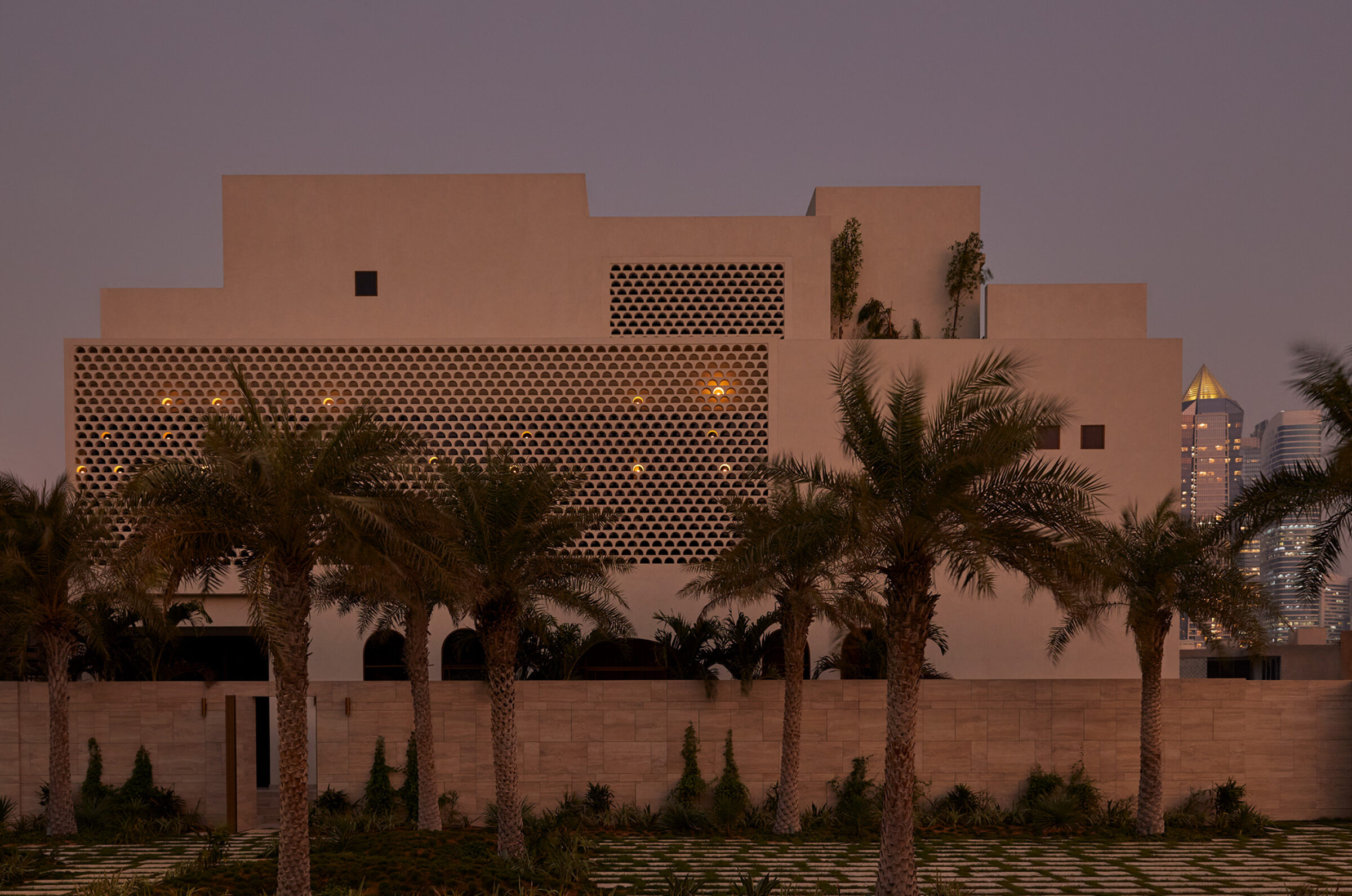
Where architecture becomes weather: shade, light, and comfort under one roof
Iconic doesn’t have to mean wasteful
Big cultural projects are often criticized for being carbon-heavy statements. Fair. But the dome flips the script by making its iconography do environmental work. Its grandeur is functional: a massive shading device that creates a livable outdoor realm in one of the world’s harshest climates. The lesson isn’t “build more mega-structures”. It’s “if you’re going to build something big, make it pull environmental weight”.
Imagine transit stations that double as urban canopies, markets that sit under cooling roofs, school courtyards designed as shade gardens, and housing blocks that share shaded streets instead of baking in sun-exposed voids. The Louvre Abu Dhabi shows how to fuse civic ambition with climate pragmatism.

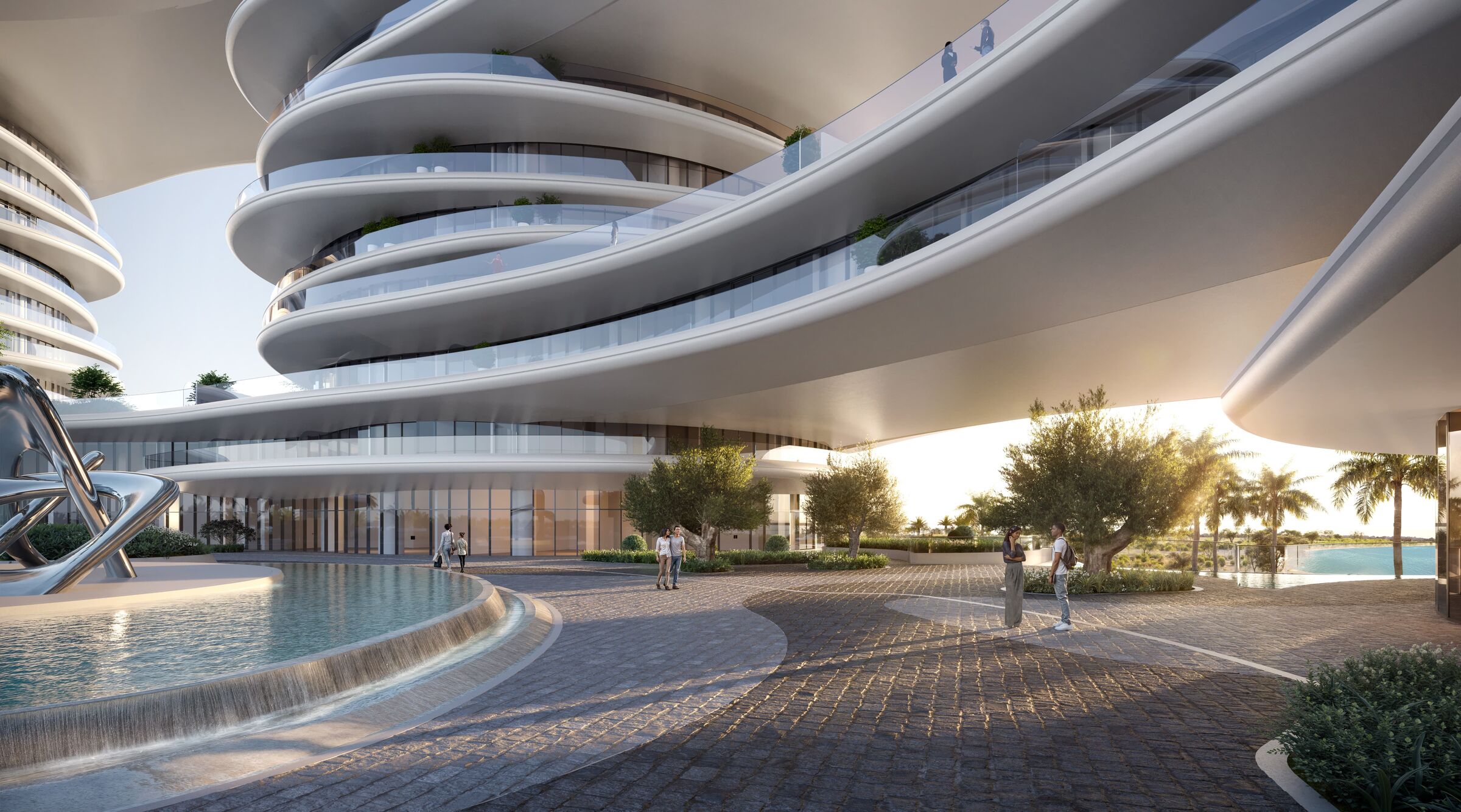
From spectacle to shelter: the dome creates walkable, livable outdoor rooms
The takeaway for hot cities
As heat becomes the defining urban risk of this century, shade deserves a promotion - from afterthought to first-order infrastructure. We should be designing cities where walking a block doesn’t feel like crossing a skillet, where daylight doesn’t come with a thermal penalty, and where comfort is distributed across public space, not locked behind glass.
The Louvre Abu Dhabi’s dome teaches a simple, radical lesson: passive cooling and light control aren’t compromises. They’re design opportunities. When we treat shade as infrastructure, we build cities that are not only cooler and more resilient but more humane to inhabit.
PHOTO CREDIT: Roland Halbe
Save this story. A free account keeps your reading list and the 07:00 email in one place.
CREATE FREE ACCOUNT →SIGN IN