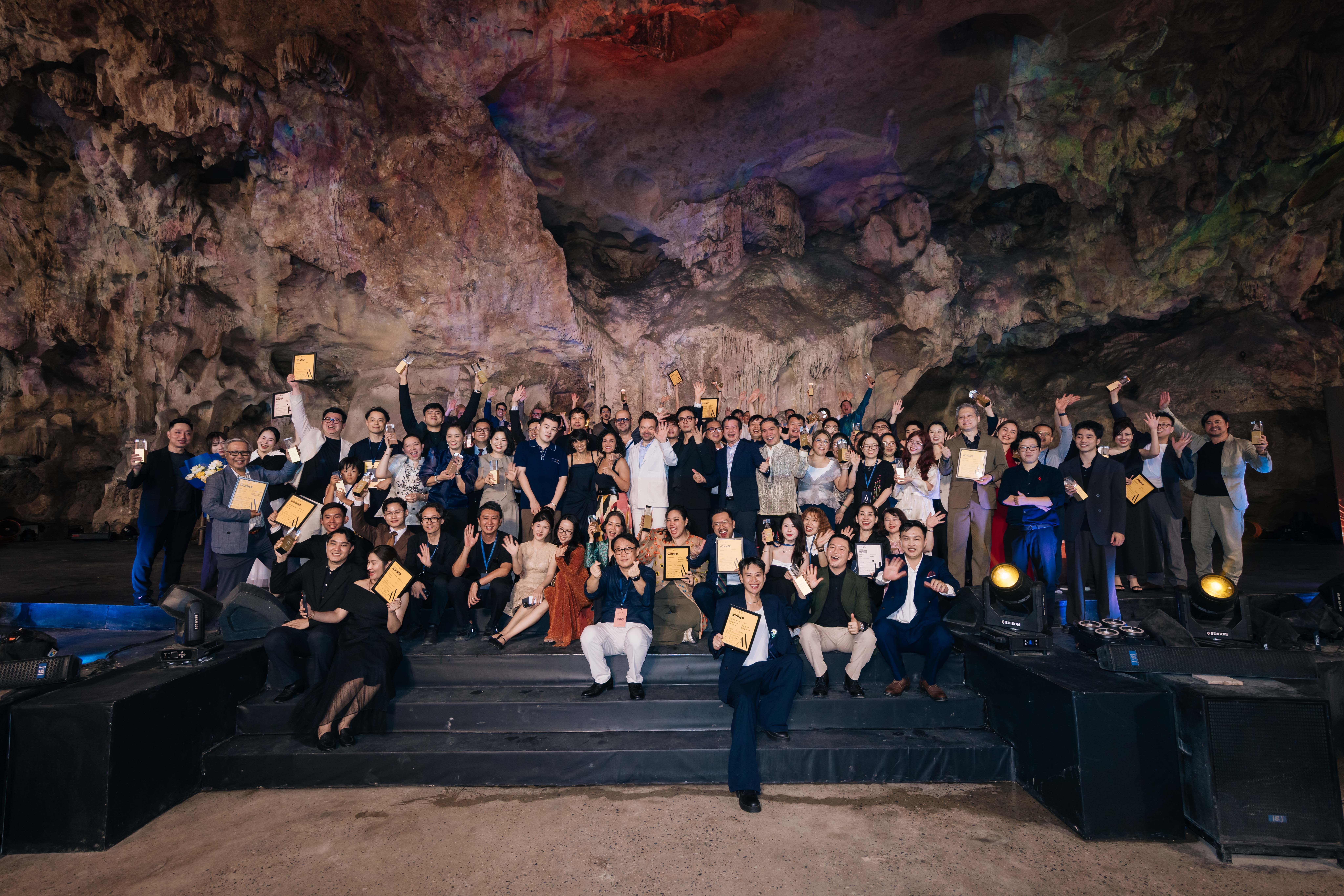
On 26 June 2026, the Asia Architecture Design Awards (AADA) reached a defining milestone - not only in recognizing Asia's most outstanding architectural achievements, but also in reimagining how design excellence itself can be celebrated. Held inside Dragon Pearl Cave in Quang Ninh, Vietnam, the 2026 Winners' Night became the world's first international awards ceremony staged within a natural cave, transforming a 150-million-year-old geological wonder into an extraordinary venue for architecture's most influential voices.
More than a prestigious awards ceremony, it demonstrated a growing dialogue between architecture, culture, landscape, and experience - where the setting became inseparable from the stories being honored.
When Nature Becomes Architecture's Grandest Stage
Throughout its history, the Asia Architecture Design Awards has celebrated projects that respond thoughtfully to place, context, and people. It was therefore fitting that the 2026 Winners' Night itself embraced these same principles.
Rather than taking place within a conventional ballroom, the ceremony unfolded beneath towering limestone formations sculpted over millions of years. Carefully choreographed lighting, immersive multimedia projections, and live performances enhanced rather than competed with the cave's natural grandeur, creating an atmosphere where architecture was celebrated within one of nature's greatest masterpieces.
The choice of Dragon Pearl Cave also reflected Vietnam's growing role as one of Asia's emerging centers for architecture, tourism, and cultural innovation. Having previously hosted its ceremonies at landmark venues including Marina Bay Sands in Singapore, SO/ Bangkok, and The Shilla Seoul, AADA once again demonstrated that the venue itself can become part of the awards' narrative.


Influential Asia Through Design
Under the 2026 theme, "Influential Asia", this year's awards highlighted projects redefining the built environment through innovation, sustainability, cultural identity, and long-term social value.
Rather than celebrating architecture as isolated objects, many of this year's winners explored how buildings can strengthen communities, respond to climate, preserve heritage, and reconnect people with nature.
Among the most notable recipients was Coastal Quang Ngai - A Community by HAUS, recognized for its climate-responsive master planning and long-term vision for resilient coastal development.
Environmental responsibility emerged as one of the defining narratives throughout the awards. Picture Book Dream Maru in South Korea demonstrated how adaptive reuse can transform forgotten infrastructure into meaningful civic space by converting a buried reservoir into a vibrant cultural destination. In Japan, Amami House proposed a resilient off-grid residential model that embraces coexistence with its natural surroundings rather than resisting them.
The integration of architecture and landscape also featured prominently. HAUS Da Lat presented a carefully balanced relationship between hospitality, wellness, and forest preservation, while Pejeng Ubud in Indonesia illustrated how residential architecture can become an extension of its surrounding environment.
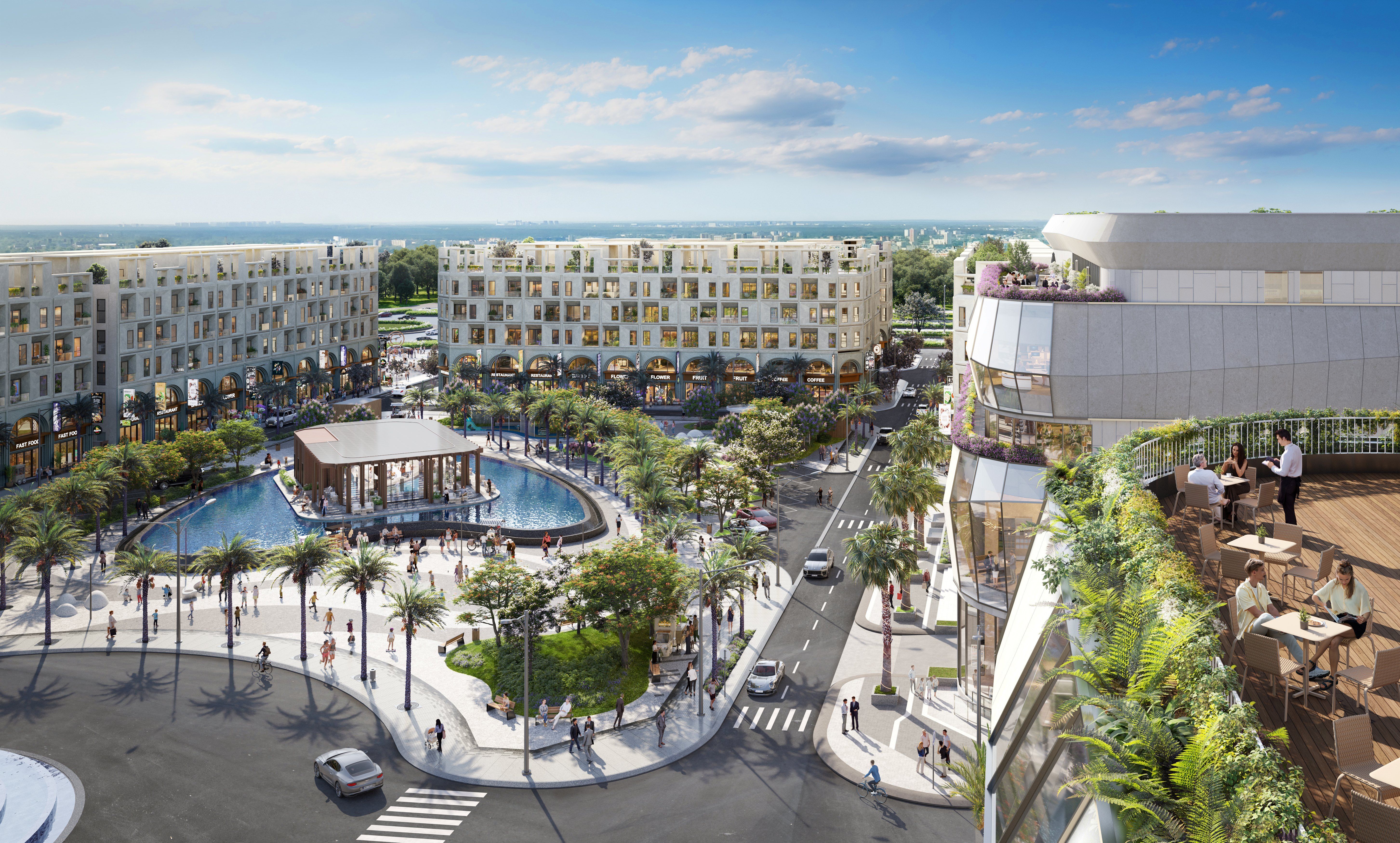
Urban innovation was equally represented through projects such as NEXUS by Synthesis Ark in Thailand and One Central Saigon and Sola Peninsula by Masterise Homes, each reflecting new approaches to mixed-use development, tropical urbanism, and contemporary city living.
Collectively, the winning projects revealed an architectural landscape increasingly shaped by environmental awareness, local identity, and human-centered thinking.


Looking Toward Visionary Asia
The conclusion of the ceremony also marked the beginning of a new chapter.
The Asia Awards Organization officially launched the 2027 Asia Architecture Design Awards under the theme "Visionary Asia", introducing a rolling evaluation model that will recognize projects continuously throughout the year before culminating in the next Winners' Night in Bangkok, Thailand.
As Asian architecture continues to gain international recognition for its cultural richness, environmental sensitivity, and innovative thinking, the 2026 Asia Architecture Design Awards demonstrated that excellence is no longer measured solely by iconic skylines or landmark buildings. Increasingly, it is defined by architecture's ability to create meaningful relationships between people and place, heritage and innovation, nature and the built environment.
The 2026 Winners' Night will be remembered not only for making awards history inside a natural cave, but for celebrating a generation of architects whose work continues to shape a more thoughtful, resilient, and influential future for Asia.

PHOTO CREDIT: Asia Architecture Design Awards
Save this story. A free account keeps your reading list and the 07:00 email in one place.
CREATE FREE ACCOUNT →SIGN IN