The Lightness Principle
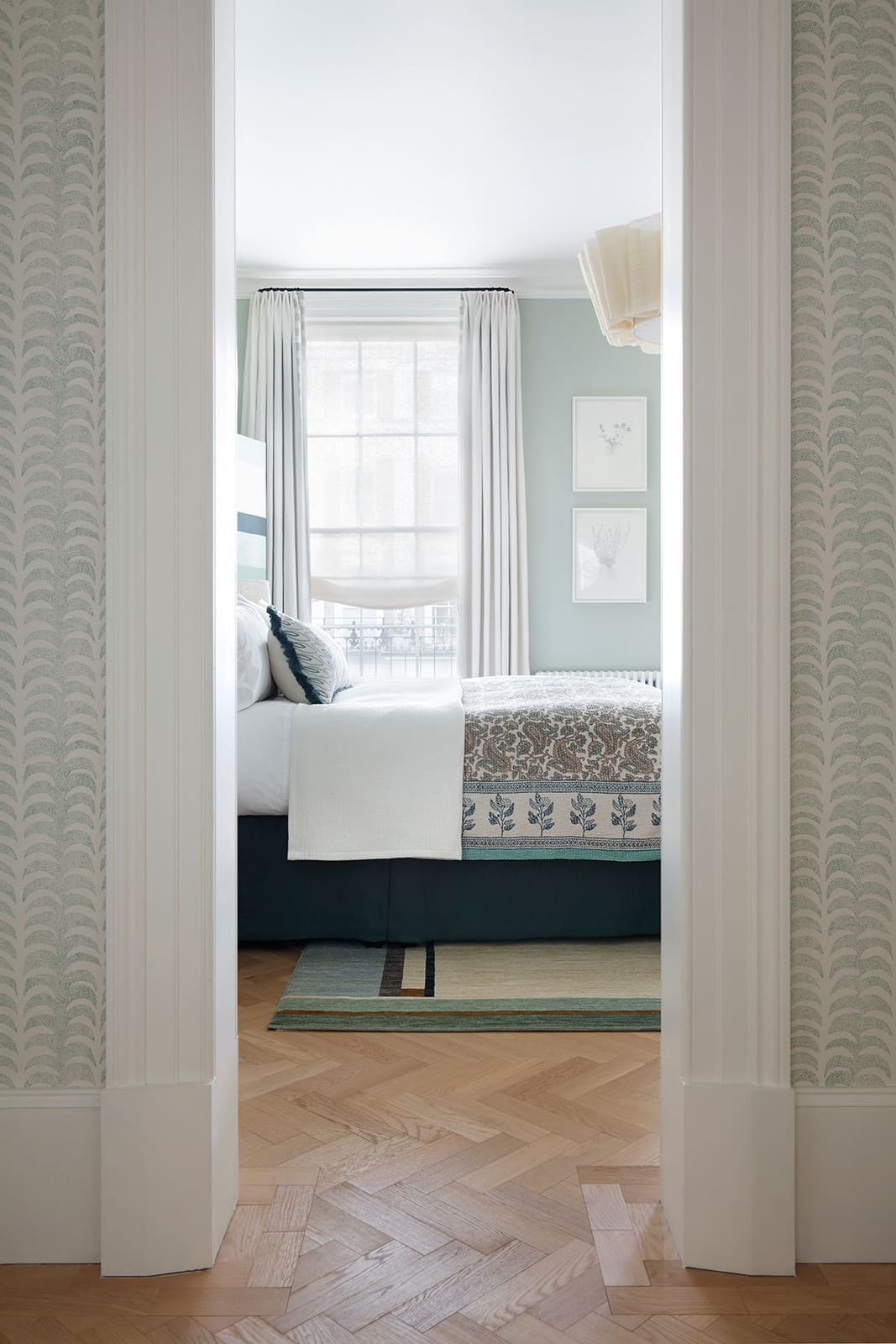
There exists a tension in residential design between the desire for natural light and the need for privacy. Heavy drapes solve one problem while creating another. Blackout treatments eliminate glare but also sever the connection to shifting daylight that gives interiors their temporal quality. Sheer curtains occupy the middle ground, a textile solution that acknowledges both impulses without fully committing to either.
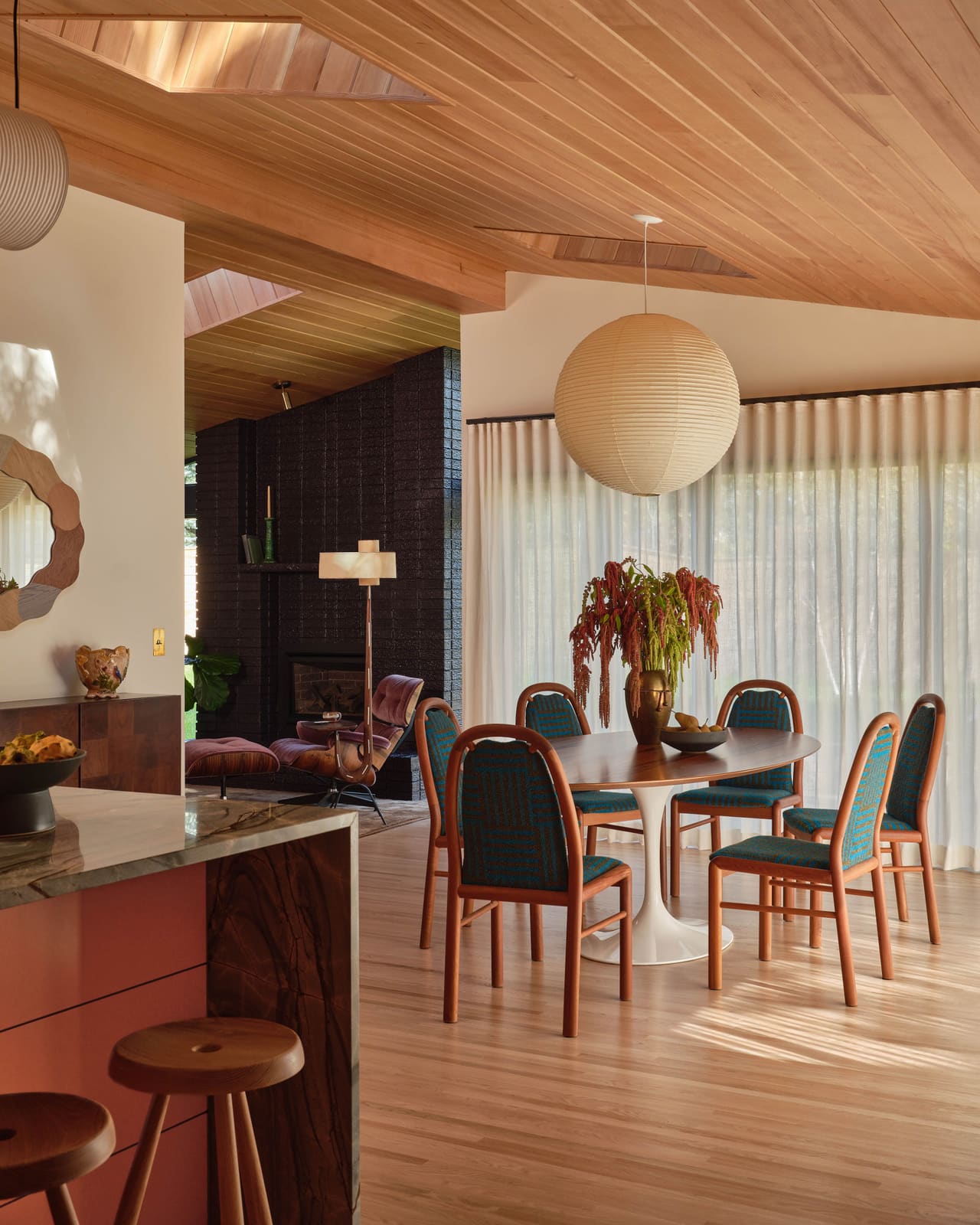
At World Archi Design, we've observed a growing preference for single-layer window treatments in contemporary interiors. The shift reflects broader changes in how people inhabit domestic space. Open-plan living demands materials that define zones without creating barriers. Urban density increases the need for visual screening. And a renewed interest in circadian wellness has designers rethinking the role of daylight in residential programs.
Linen and cotton dominate this category for good reason. Their loose weaves scatter light rather than absorb it, creating that diffused glow interior photographers chase. The fibers hold just enough opacity to obscure clear sightlines while maintaining transparency. It's a material quality that cannot be replicated with synthetics, no matter how carefully engineered.
Material Honesty in Textile Selection
European flax linen has become something of a standard in this application. The fiber length creates a smooth drape without stiffness, and the natural color variation gives depth to what might otherwise read as flat fabric panels. Quince offers an accessible entry point into this material category, with multiple opacity levels that let you calibrate privacy needs room by room. The construction includes both rod pocket and back tab options, a practical consideration for those working within existing hardware systems.
Budget constraints need not eliminate linen from consideration. Mass-market versions have improved dramatically in recent years. Amazon carries back-tab linen panels at price points that make experimentation feasible, even in rental situations. The back-tab construction creates a soft pleat effect that adds dimensionality without the formality of pinch pleats or the casualness of grommets. One practical note: sizing up for floor pooling introduces a deliberately relaxed gesture, the kind of unstudied elegance that European interiors do well.
West Elm's customizable approach deserves attention for its flexibility. Selecting width independently from height addresses a common frustration in fenestration design. Standard sizing rarely aligns with actual window proportions, and the gap between available lengths often forces compromises. The European flax used here carries that lived-in quality that distinguishes natural fibers from their synthetic counterparts.
Expanding the Material Palette
Wool represents an unexpected material choice for sheer applications. Crate & Barrel has introduced ultra-thin wool weaves that maintain the fiber's inherent softness while achieving translucency. The tactile quality differs markedly from linen, closer to fine-gauge knitwear than traditional drapery fabric. Pale colorways shift with available light, reading nearly white in direct sun and revealing subtle cool tones in shadow. It's an example of how material innovation can expand typological possibilities.
Semi-sheer constructions offer a middle specification between full transparency and light filtering. Linen panels with pinch-pleat headers bring tailored formality to an otherwise casual material. The slightly denser weave provides additional privacy for street-facing windows or transitional spaces where full transparency feels uncomfortable. These work particularly well in urban contexts where buildings face one another across narrow gaps.
Pattern and Personalization
Introducing pattern to sheer textiles requires restraint. The fabric's translucency means pattern registers differently depending on viewing angle and light conditions. Pepper Home's tight-block prints read almost as texture from a distance, providing visual interest without the busyness that can overwhelm small-scale patterns in thin materials. The uniform repeat creates rhythm without demanding attention, a quality that pairs well with patterned upholstery or layered textiles.
Traditional pojagi curtains offer an alternative to both solid colors and conventional prints. The Korean patchwork technique creates irregular color blocking that feels handcrafted without veering into rustic territory. Each panel becomes semi-unique, a departure from the uniformity of mass production. Etsy sellers working in this tradition often accept custom dimensions and color requests, bridging the gap between ready-made and bespoke.
Nordic Knots has extended its textile practice beyond floor coverings into window treatments. Their sheer panels in muted pastels demonstrate how color saturation changes when light passes through fabric rather than reflecting off it. The yellow tones take on an almost luminous quality in direct sun, adding warmth to north-facing rooms or cooling overly warm exposures. The construction quality reflects the brand's broader commitment to material integrity: careful seaming, consistent weave tension, and appropriate hem weights.
Layering Strategies and Spatial Implications
Sheer curtains function independently or as part of a layered system. Pairing them with heavier blackout treatments creates operational flexibility, allowing occupants to modulate light and privacy throughout the day. The sheer layer remains drawn while the blackout pulls aside, maintaining softness even when maximum daylight is desired.
As standalone treatments, sheers signal a particular kind of spatial casualness. They suggest confidence in the interior's ability to function without heavy framing devices. This works best in contexts where the view itself has value or where the quality of natural light becomes a primary design driver. Mediterranean and coastal vernaculars have long understood this, using lightweight textiles to filter harsh sun without eliminating the connection to exterior conditions.
The installation method affects how the fabric performs spatially. Rod pockets create gathered fullness that emphasizes the textile's material properties. Back tabs introduce regular pleating that reads as more architectural. Grommets, though not discussed here, bring an industrial frankness that can undermine the softness sheer fabrics offer. The choice depends on the broader material language of the interior.
Practical Considerations and Performance
Maintenance becomes relevant with any textile exposed to direct sun. Natural fibers fade and weaken over time, though linen and cotton both age gracefully compared to synthetics. Regular rotation and occasional laundering extend lifespan. The loose weaves that create translucency also make these fabrics forgiving of wrinkles, a practical advantage in high-use residential settings.
Thermal performance remains limited with single-layer sheers. They offer minimal insulation value, which may be acceptable in temperate climates but proves insufficient in extreme conditions. Layering addresses this limitation while preserving the aesthetic qualities that make sheers appealing.
The relationship between sheer curtains and contemporary interior practice reflects larger shifts in how we balance openness with enclosure, connection with privacy, and material presence with spatial lightness. These are not merely decorative objects but active participants in shaping the experiential qualities of domestic space.
Save this story. A free account keeps your reading list and the 07:00 email in one place.
CREATE FREE ACCOUNT →SIGN IN