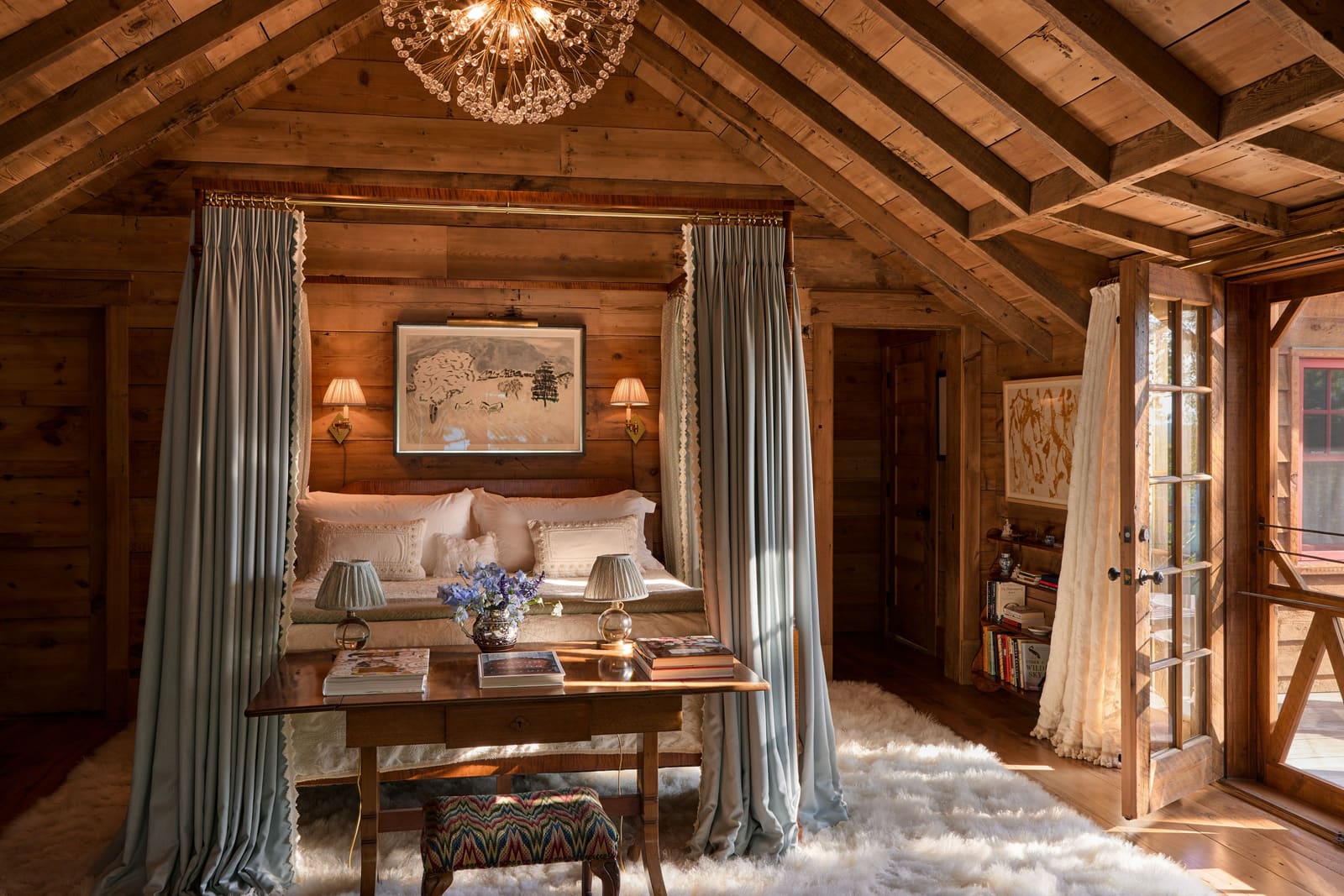
The Overlooked Foundation
Walk into most bedrooms and the floor covering receives cursory attention at best. Yet this horizontal plane shapes the room's acoustic envelope, thermal comfort, and visual weight more than nearly any other single element. At World Archi Design, we've observed a recurring tendency to treat these textiles as afterthoughts, selected in haste after the bed frame arrives and the walls are painted. The result is often a mismatch between material performance and lived experience: too-thin synthetics that bunch under furniture legs, high-pile fibers that trap allergens, or natural weaves that shed relentlessly in high-traffic zones.
The challenge lies in reconciling aesthetic intent with functional demands. A bedroom serves simultaneously as sanctuary and circulation route, a space for bare feet and wheeled luggage, for stillness and the occasional rearrangement of furniture. The floor covering must accommodate all of these conditions without compromising its visual contribution to the room's overall composition.
Material Behavior and Sensory Response
Fiber choice determines not only appearance but also longevity and tactile quality. Wool remains the most versatile option for residential interiors, offering natural resilience, flame resistance, and a soft hand that improves with age. Its crimped structure creates air pockets that provide insulation, both thermal and acoustic. Wool blends incorporating rayon or polyester extend durability while maintaining much of the fiber's inherent softness. These hybrids perform particularly well in rooms where furniture placement shifts occasionally, as the synthetic component helps the pile recover from compression.
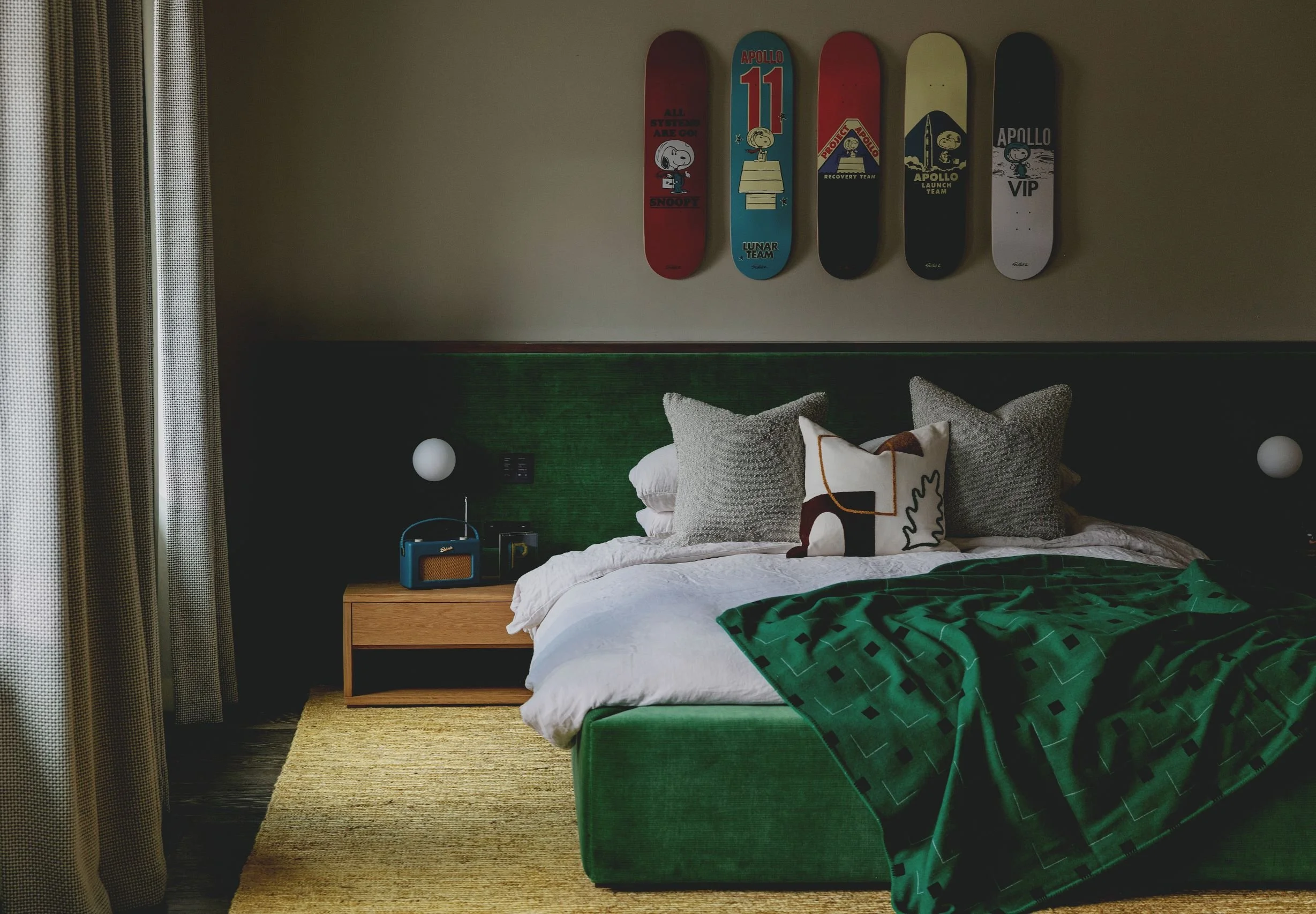
Natural cellulose fibers present a different set of characteristics. Jute, sisal, and seagrass deliver visual texture and structural integrity at lower price points. Their coarse weave resists matting, and dirt sits visibly on the surface rather than embedding deep within the pile, making maintenance straightforward. The trade-off is tactile: these materials feel rough underfoot, which can be mitigated by layering smaller, softer textiles atop them or confining their use to areas where shoes are typically worn.
Silk and viscose occupy the luxury end of the spectrum. Their filament structure produces a lustrous surface and exceptional softness, but both fibers are vulnerable to abrasion and moisture. In low-traffic bedrooms where aesthetic refinement takes precedence over durability, they excel. Elsewhere, they become maintenance liabilities.
Synthetic options, particularly those engineered for machine washing, solve practical problems but often at the expense of visual and tactile richness. Polyester can mimic traditional patterns convincingly, yet its performance under compression and its tendency toward static buildup reveal its industrial origins.
Proportion and Placement Logic
Scale governs how a floor covering interacts with the room's architecture and furnishings. The common recommendation to extend the textile at least two feet beyond the bed frame on all visible sides is sound, but it represents a minimum rather than an ideal. This dimension ensures that feet land on textile rather than hard flooring upon waking, and it visually anchors the bed within the larger composition.
When the bed is centered on a wall, symmetry becomes paramount. Equal reveals on either side create visual stability. Asymmetrical placements, common in smaller or irregularly shaped rooms, benefit from larger textiles that unify disparate elements rather than fragment the floor plane further.
Full-room coverage, where the textile extends nearly wall to wall with only a narrow border of exposed flooring, transforms the material into an architectural surface rather than a furnishing. This approach works particularly well in spaces with minimal furniture or strong vertical elements that require grounding. The exposed perimeter acts as a visual frame, emphasizing the room's proportions.
Circular or irregular geometries introduce dynamic tension. A round textile beneath a rectangular bed creates a dialogue between competing forms, softening the orthogonal rigidity of typical bedroom layouts. This strategy requires confidence; the contrasting shapes must be intentional and proportionally balanced, or the result reads as error rather than innovation.
Pattern Density and Visual Weight
The debate between solid fields and patterned surfaces hinges on what else occupies the room. Maximalist interiors, dense with layered textiles, artwork, and varied furniture profiles, benefit from restrained floor treatments. A subtle texture or monochromatic palette allows other elements to assert themselves without visual competition.
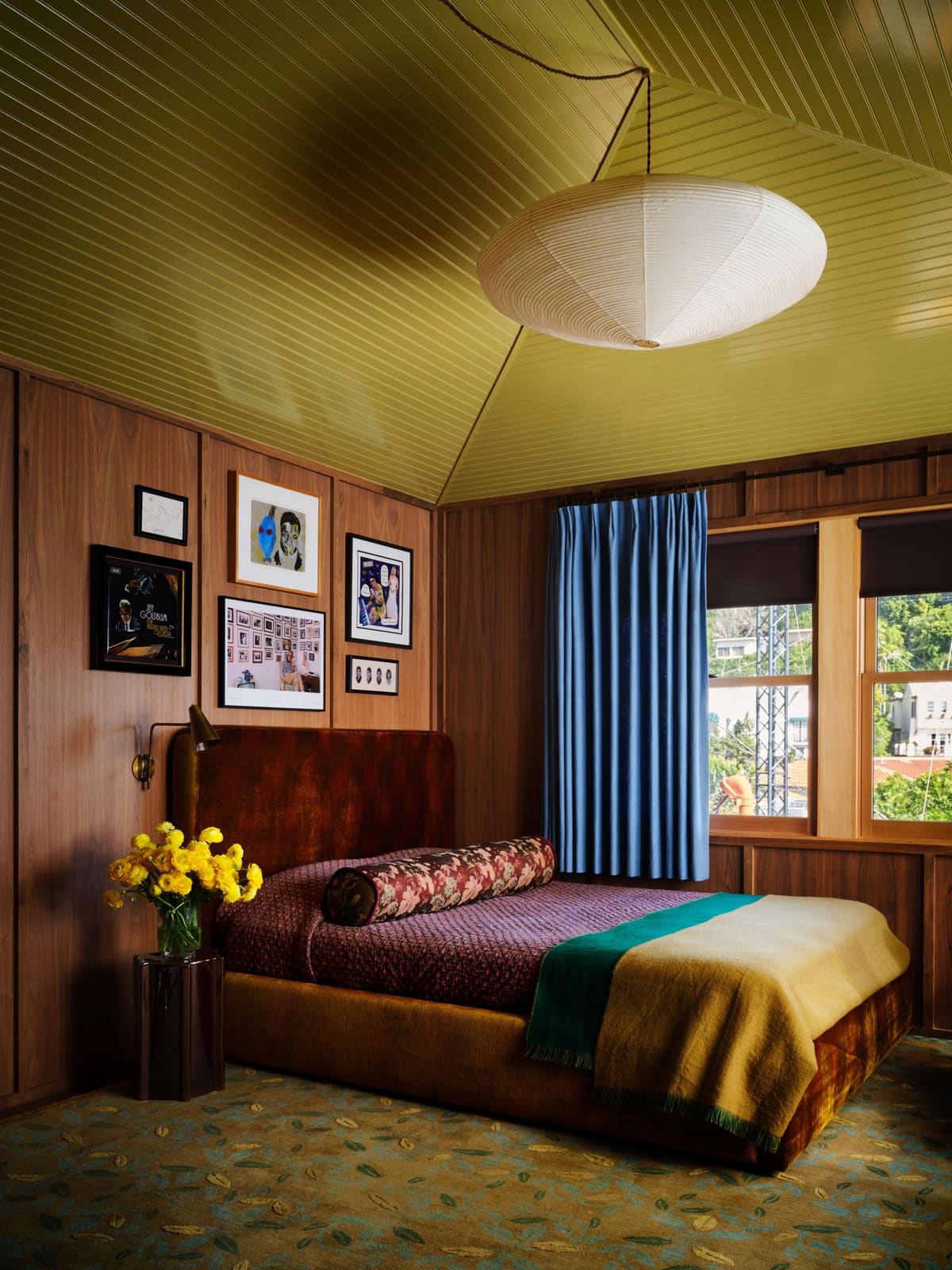
Conversely, minimalist rooms with limited furnishings and neutral palettes can sustain bold patterns underfoot. Traditional Persian motifs, geometric abstractions, or organic irregularities provide visual interest where it might otherwise be absent. The key is ensuring that the pattern's scale relates logically to the room's dimensions. Oversized motifs in compact spaces feel claustrophobic; tiny repeating elements in expansive rooms read as visual noise from standing height.
Border treatments deserve particular attention in bedrooms, where much of the central field disappears beneath furniture. A wide, contrasting border remains visible even when the bed obscures the core design, providing continuity and framing the composition. This approach has historical precedent in European and Middle Eastern textile traditions, where borders served both decorative and symbolic functions.
Maintenance Realities and Material Longevity
Durability predictions often focus on fiber content while overlooking construction method. Hand-knotted wool textiles, though expensive, distribute wear across thousands of individual knots, allowing for graceful aging rather than catastrophic failure. Machine-tufted alternatives, by contrast, rely on adhesive backing that can delaminate over time, particularly in humid climates or beneath heavy furniture.
Pile height influences both appearance and upkeep. Low-pile constructions, typically under half an inch, resist compression and simplify vacuuming. High-pile options, while luxurious underfoot, trap debris and require more frequent maintenance. They also complicate furniture placement, as bed frames and nightstands can sink unevenly into deep pile, creating stability issues.
Reversible designs extend functional lifespan by distributing wear across both faces. When one side shows traffic patterns or staining, flipping the textile provides a reset. This strategy works best with symmetrical patterns or designs where both faces are equally resolved aesthetically.
Washable textiles, particularly those engineered as two-piece systems with removable top layers, solve specific problems in households with pets or children. The convenience comes at a cost: these products rarely achieve the visual or tactile refinement of traditional constructions. They occupy a distinct category, prioritizing practicality over craft.
Color Temperature and Spatial Perception
Warm tones, reds through ochres, advance visually and create psychological coziness. They suit bedrooms in cooler climates or spaces with abundant natural light that might otherwise feel stark. Cool tones, blues through grays, recede and expand perceived space. They work well in compact rooms or those receiving limited daylight.
Neutral palettes, spanning beiges, taupes, and soft grays, offer flexibility as other design elements evolve. A neutral foundation accommodates seasonal bedding changes, new artwork, or furniture updates without requiring replacement. This adaptability comes at the cost of distinctiveness; neutral textiles rarely serve as focal points.
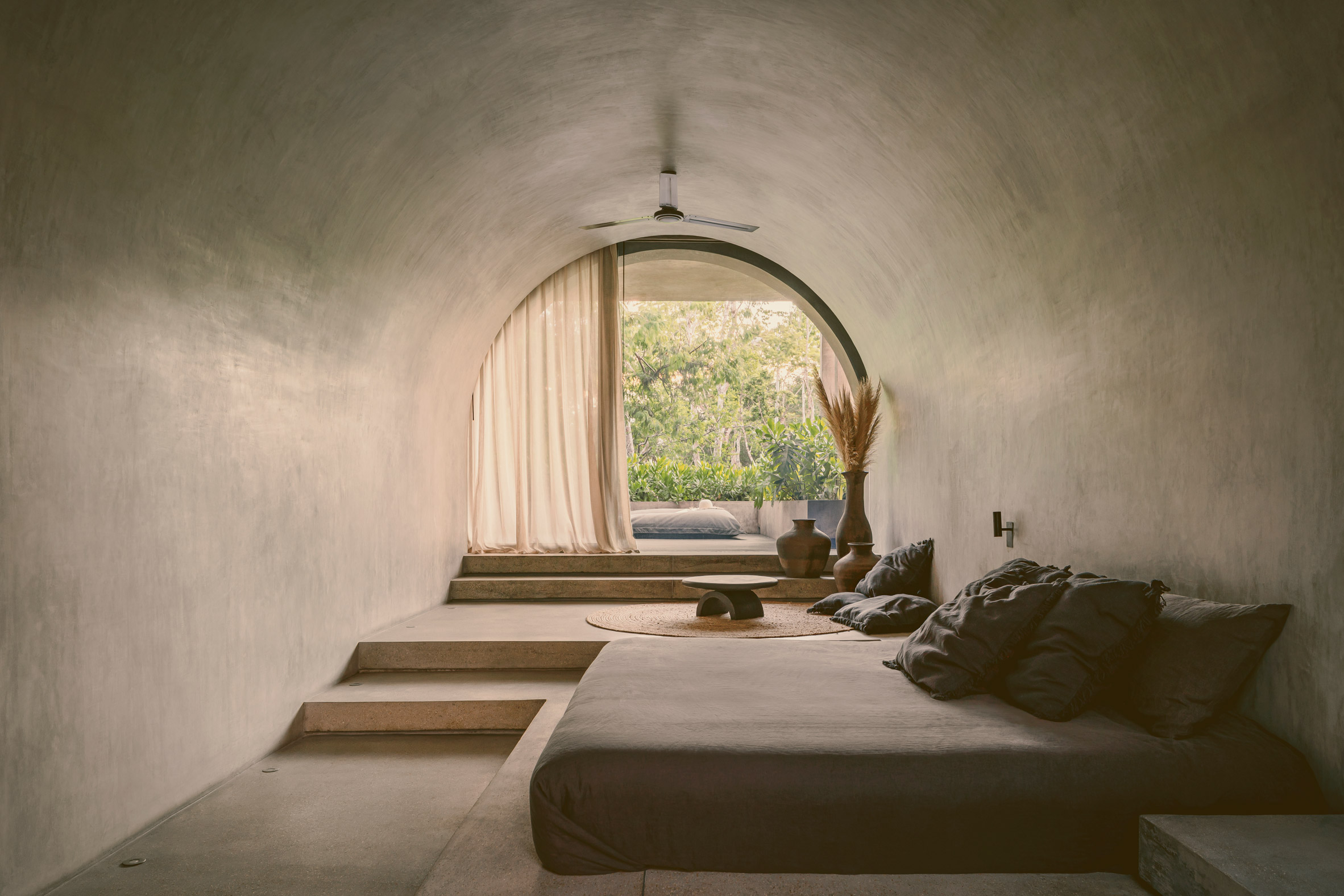
Contrast between the floor covering and surrounding surfaces defines spatial boundaries. A dark textile against pale flooring creates sharp definition, emphasizing the room's geometry. Tonal continuity, where the textile closely matches the floor, blurs boundaries and creates visual flow, useful in open-plan layouts or small rooms where hard divisions feel confining.
Installation and Edge Finishing
Proper installation prevents premature wear and safety hazards. Textile-to-hard-floor transitions require secure anchoring to prevent shifting, particularly in high-traffic thresholds. Rug pads, whether natural rubber or synthetic mesh, provide grip and cushioning while protecting both the textile and the floor beneath.
Edge finishing influences both appearance and durability. Bound edges, where the textile's edge is wrapped and stitched, create clean lines and prevent fraying. Fringed edges, common in hand-knotted constructions, are structural elements rather than decorative additions; they represent the warp threads that form the textile's foundation. Trimming fringe compromises structural integrity.
Custom sizing eliminates the compromises inherent in standard dimensions. Made-to-order textiles can accommodate irregular room shapes, built-in furniture, or specific design visions. The lead time and cost premium are significant, but the result is a floor covering that integrates seamlessly rather than one that merely fits adequately.
Precedent and Contemporary Application
Historical bedroom textiles prioritized warmth and acoustic dampening in drafty, stone-floored chambers. Contemporary applications inherit these functional requirements while adding aesthetic expectations shaped by global trade and digital image culture. The result is a marketplace dense with options that reference diverse traditions, from Scandinavian flatweaves to Moroccan boucherouite, often divorced from their original contexts.
This eclecticism permits creative freedom but also demands discernment. A Turkish kilim beneath a mid-century platform bed can succeed if the color relationships and proportions are carefully considered. The same textile in a room filled with ornate Victorian furnishings risks visual incoherence.
Architects and designers increasingly specify custom textiles as integral components of residential projects rather than aftermarket additions. This shift recognizes the floor covering's impact on spatial quality and acoustic performance. When specified early in the design process, these elements can influence room proportions, material palettes, and lighting strategies rather than merely responding to them.
The Synthesis of Function and Expression
Selecting a bedroom floor covering ultimately requires balancing competing priorities: tactile comfort against maintenance realism, aesthetic ambition against budget constraints, durability against environmental impact. No single material or construction method optimally addresses all concerns. The process demands clear-eyed assessment of how the space will actually be used, not how one imagines it might be used.
The most successful installations are those where the textile feels inevitable rather than optional, where its removal would diminish the room's coherence. Achieving this requires moving beyond reactive decoration toward integrated spatial thinking, considering the floor plane as consequential as any wall or ceiling treatment. In bedrooms, where we spend roughly a third of our lives, such attention is not indulgence but necessity.
Credit: Miguel Flores-Vianna
Save this story. A free account keeps your reading list and the 07:00 email in one place.
CREATE FREE ACCOUNT →SIGN IN