Fallingwater and the Uncomfortable Truth of Harmony
Fallingwater is often revered as the zenith of modern architecture, a breathtaking visual composition of horizontal concrete trays suspended daringly over the tumultuous cascade of Bear Run. Yet, reducing it to a structural spectacle misses its most profound purpose: a challenging manifesto on how humanity ought to inhabit the natural world. This house does not merely overlook the landscape; it is intrinsically of the landscape.

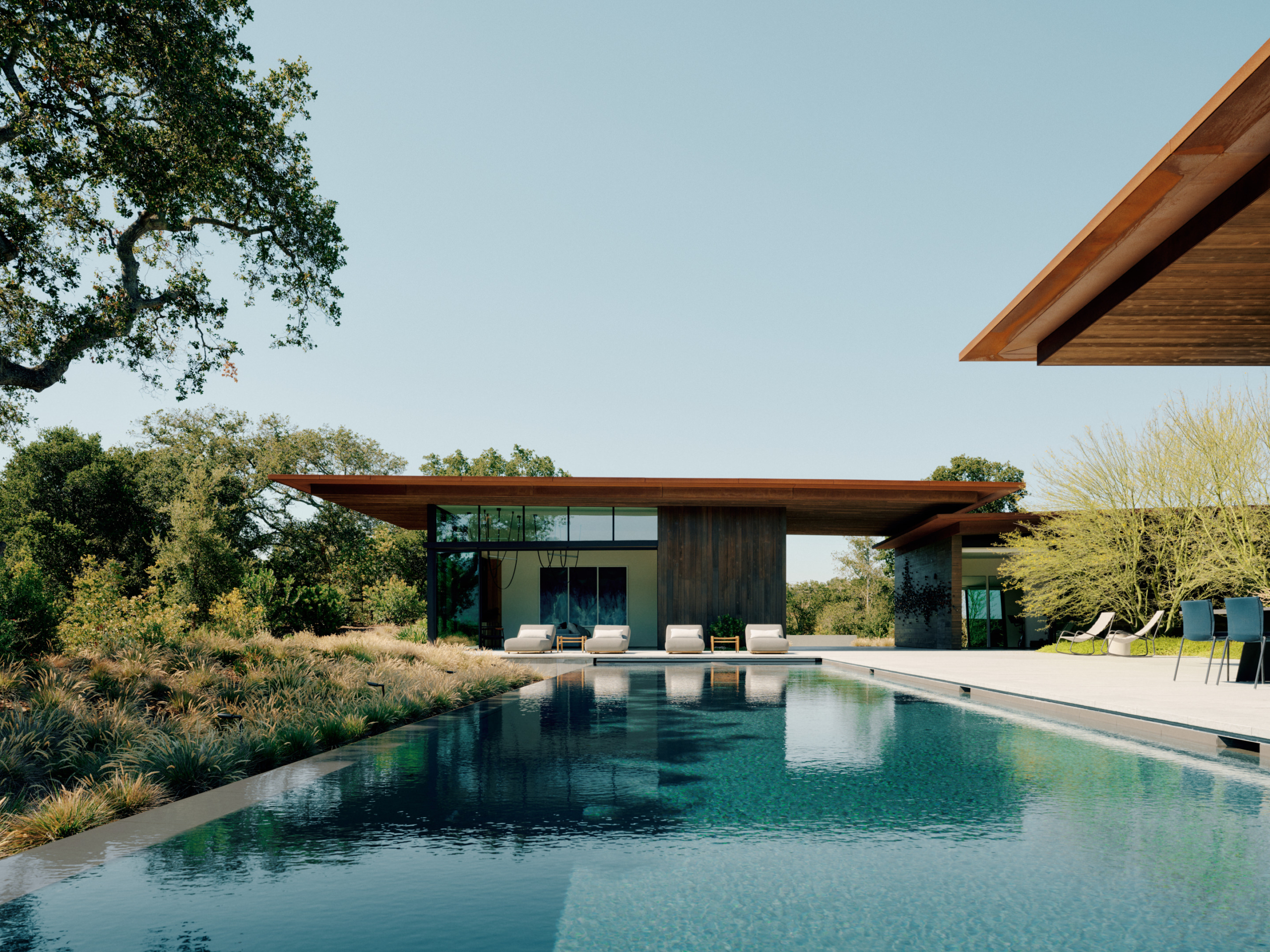
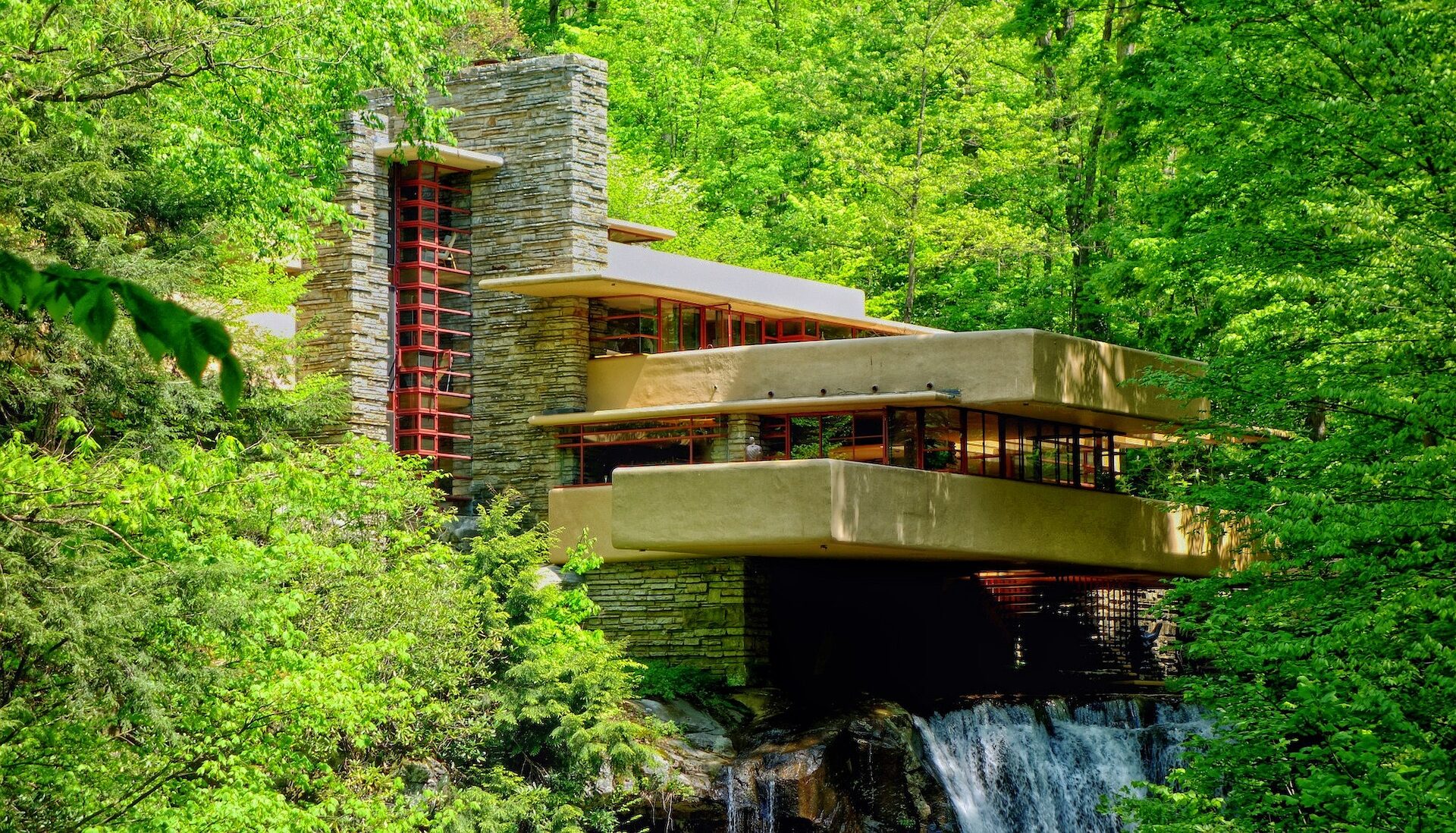
Fallingwater's cantilevered terraces integrate boldly with Bear Run's cascade, embodying Wright's organic philosophy of dynamic coexistence over passive observation
Frank Lloyd Wright's approach to the Kaufmann family commission was radically defiant. When tasked to design a house near the waterfall, he famously chose to place the structure directly over it, transforming the water’s roar from a mere view into the permanent, visceral soundtrack of the home. This decision was the first, and most crucial, lesson in Organic Architecture: true integration demands a deeper, sometimes riskier, physical engagement with nature’s immutable forces.

Cantilevered balconies over the stream at Fallingwater project interior life outward, illustrating the risky yet profound dialogue between tectonics and the site's immutable forces
The Structural Conversation: Tectonics vs. Topography
The architectural brilliance lies in the relationship between the structure's geometry and the site's topography. Wright uses his trademark cantilevers—those expansive, gravity-defying terraces of reinforced concrete—to project the interior life of the house outward. These horizontal planes, often contrasted with the verticality of the stone piers built from local quarried sandstone, mirror the flat stratification of the surrounding rock formations. The result is a structure that is simultaneously bold and submissive; it is an undeniable modern intervention that nevertheless echoes the geology of the ravine from which it sprang.
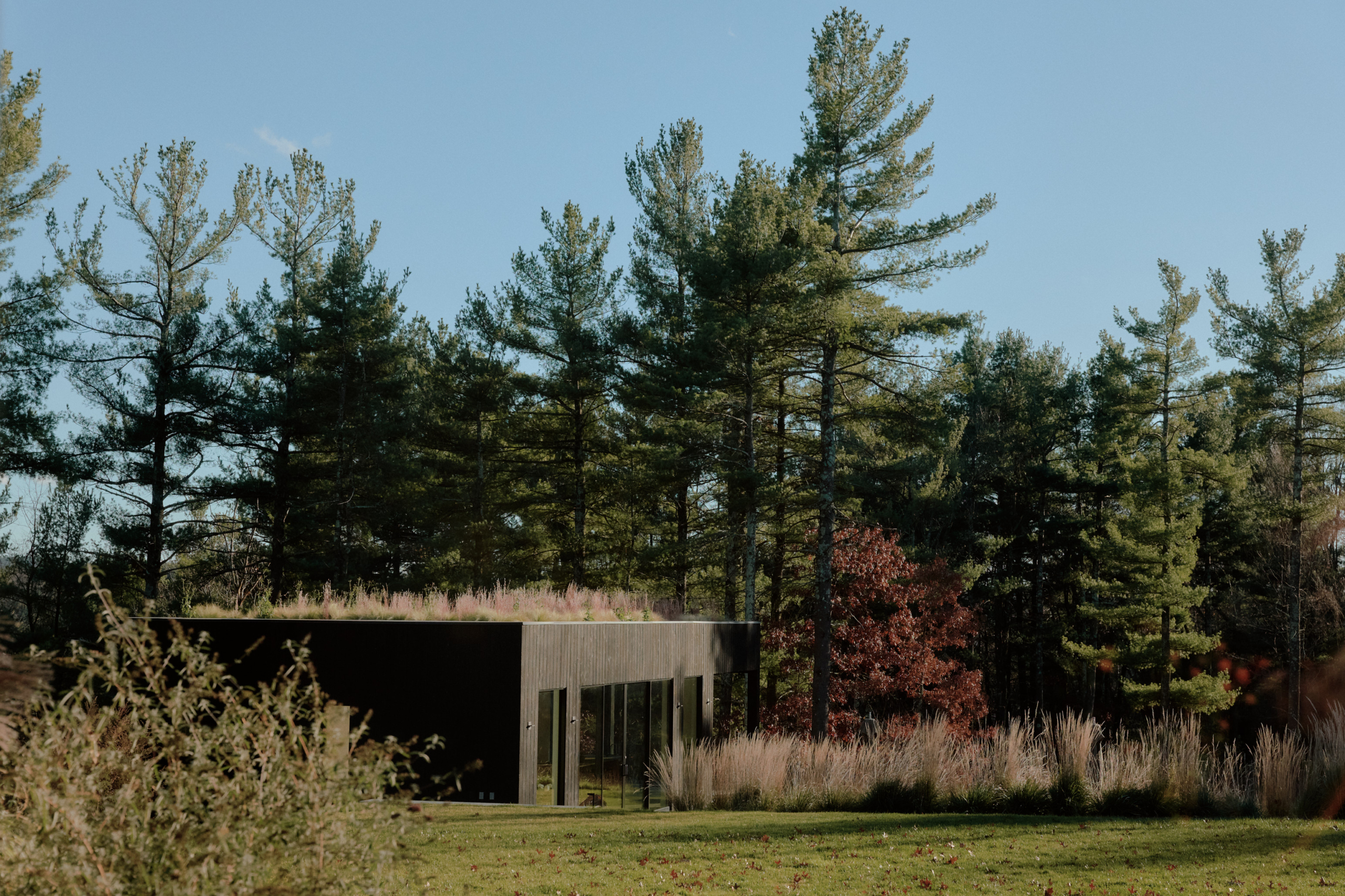
Pathway approach to Fallingwater reveals sequential horizontal revelations amid the forest, compelling adaptation and respect for nature's ongoing, challenging balance

The house is a powerful study in sensory depth. The experience begins long before one steps inside, with a winding journey down through the forest. When the house finally appears, it is a sequential revelation—a series of layered horizontal lines emerging from the dense green. Inside, the floors are often polished stone, sometimes wet from the stream’s spray, dissolving the threshold between inside and out. The sound of the water is omnipresent, shifting from a gentle murmur to a demanding roar, constantly reminding the occupants of their dependence on the natural cycle. Fallingwater forces its inhabitants to live with nature’s rhythms, not insulated from them.

Miniature model of Fallingwater showcases layered horizontal planes echoing natural strata, highlighting the architectural humility in synthesizing structure with untamed topography
Opinion & The Uncomfortable Lesson of Coexistence
The legacy of Fallingwater, particularly for contemporary architecture seeking sustainability, is not found in its aesthetic beauty, but in its demanding philosophy of coexistence—a lesson often forgotten by modern "eco-friendly" design.
Too often today, architects place structures next to nature, using large windows to frame a beautiful view, but maintaining a safe, sanitized distance. Fallingwater rejects this passive observation. By placing the structure directly into the stream bed and making the cascading water the central functional and emotional element, Wright demanded a deep, reciprocal relationship.

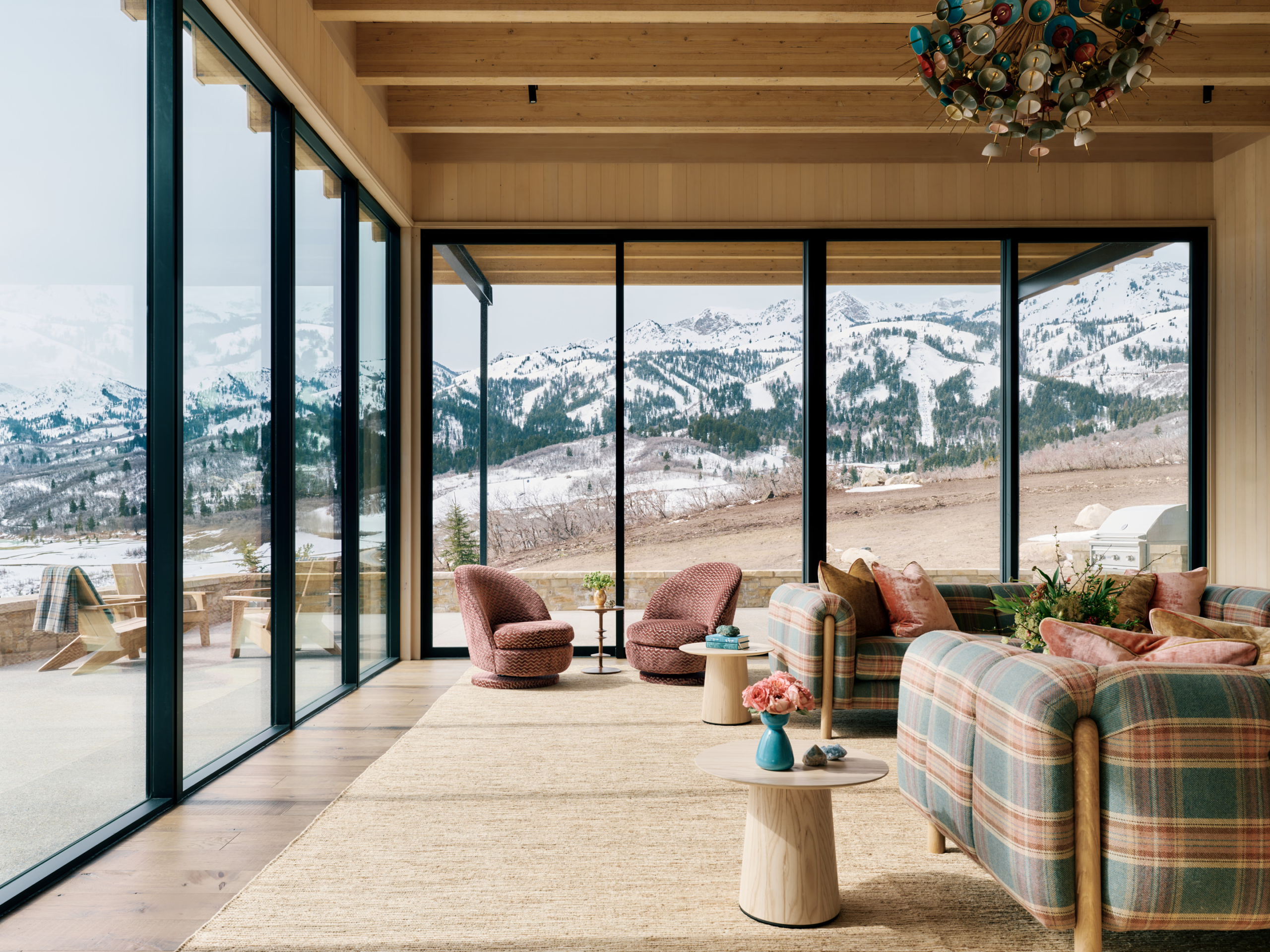
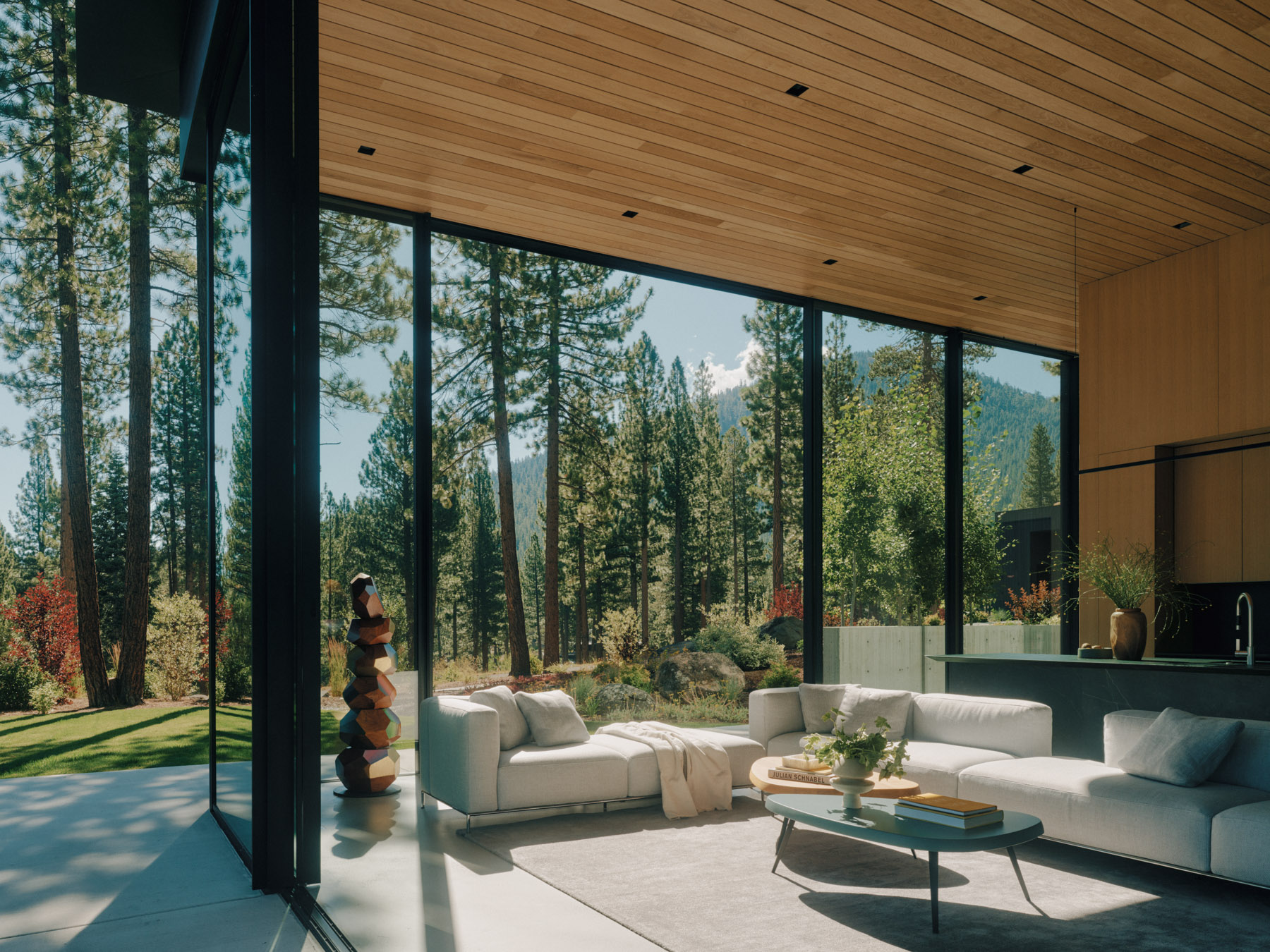
Interior living space at Fallingwater merges stone piers and open layouts with nature's rhythms, demanding sensory engagement as a lesson in genuine ecological harmony
However, this radical integration came with an uncomfortable truth: the house faced serious structural issues almost immediately due to the pioneering concrete work and the constant moisture. For years, massive repairs were necessary to secure the cantilevers. This is the uncomfortable but necessary lesson: Living truly with nature is inherently difficult, demanding constant maintenance, respect, and adaptation. Harmony is not a static state; it is an ongoing, dynamic struggle.
Fallingwater reminds us that genuine sustainability must go beyond material choices; it must start with architectural humility. The house asks us: Are we brave enough to build structures that are not monuments to ourselves, but rather attentive platforms for experiencing the world? Are we willing to embrace the difficulty and the cost of genuine cohabitation? The structure’s brilliance is that it compels us to say yes, arguing that the effort required to maintain this delicate balance is a small price to pay for the profound enrichment of living within a masterpiece carved by nature and human vision working in unison. It remains the ultimate paradigm of a structure that lives, breathes, and decays with the land it celebrates.
PHOTO CREDIT: Archeyes
Save this story. A free account keeps your reading list and the 07:00 email in one place.
CREATE FREE ACCOUNT →SIGN IN