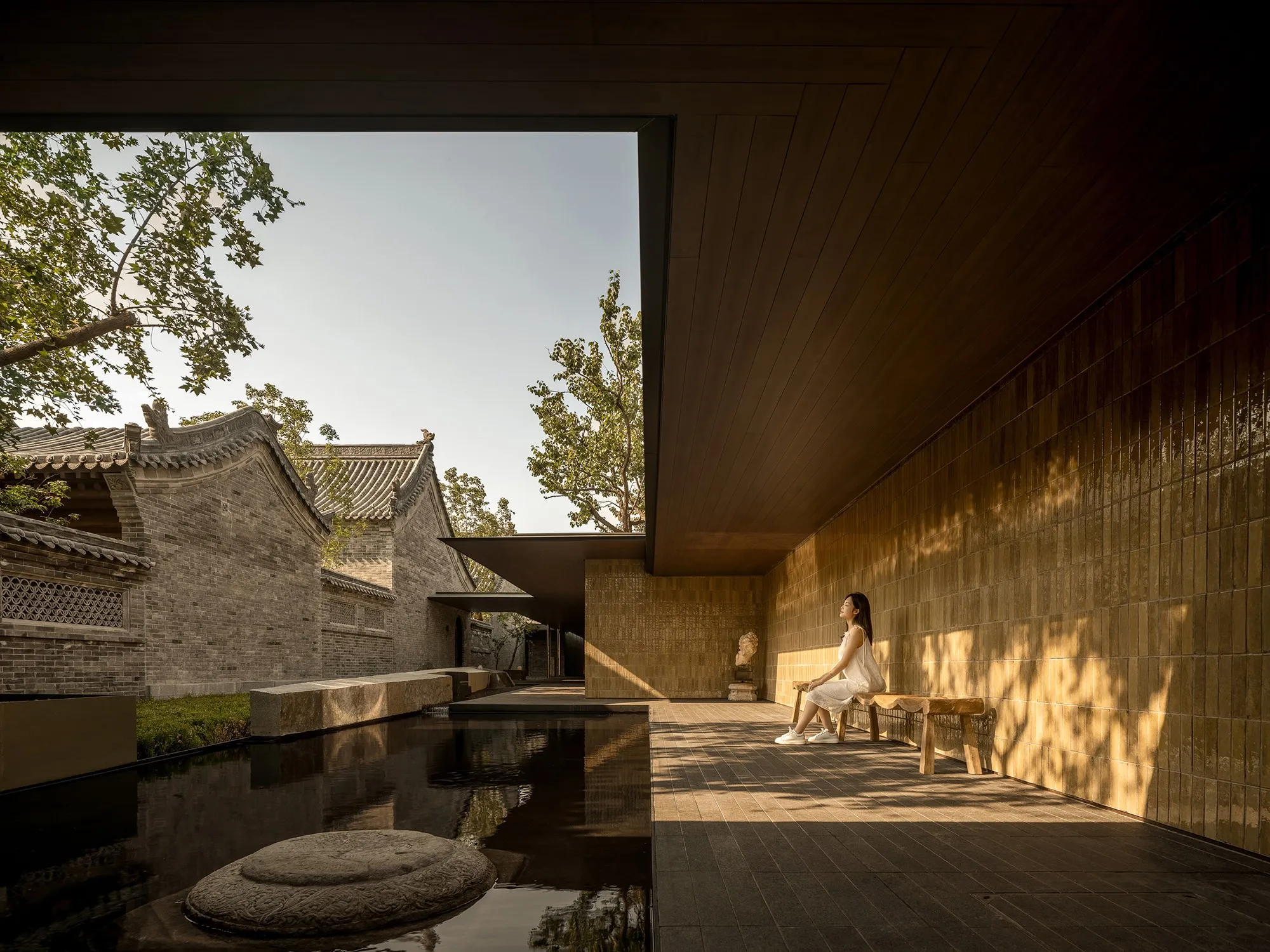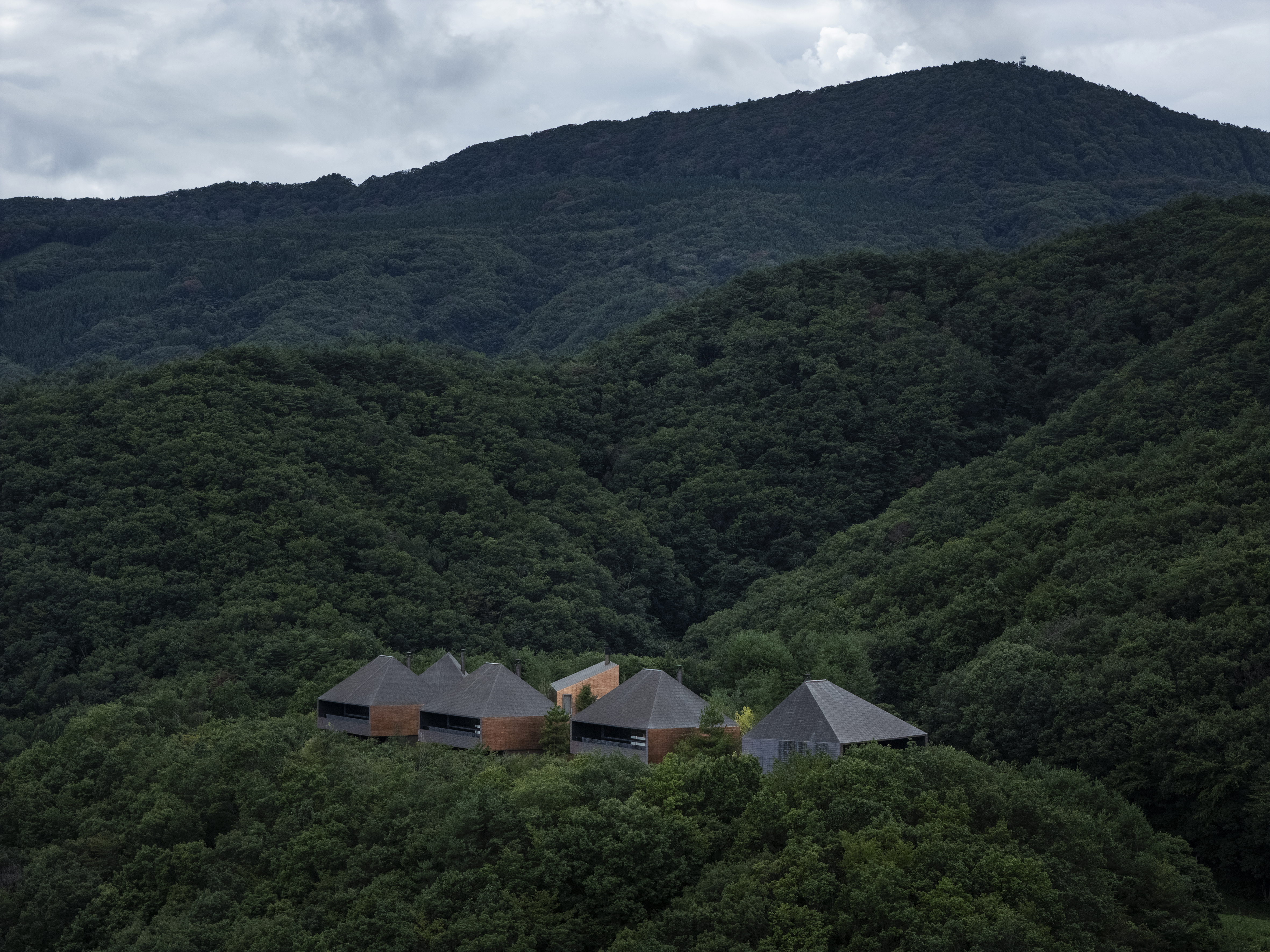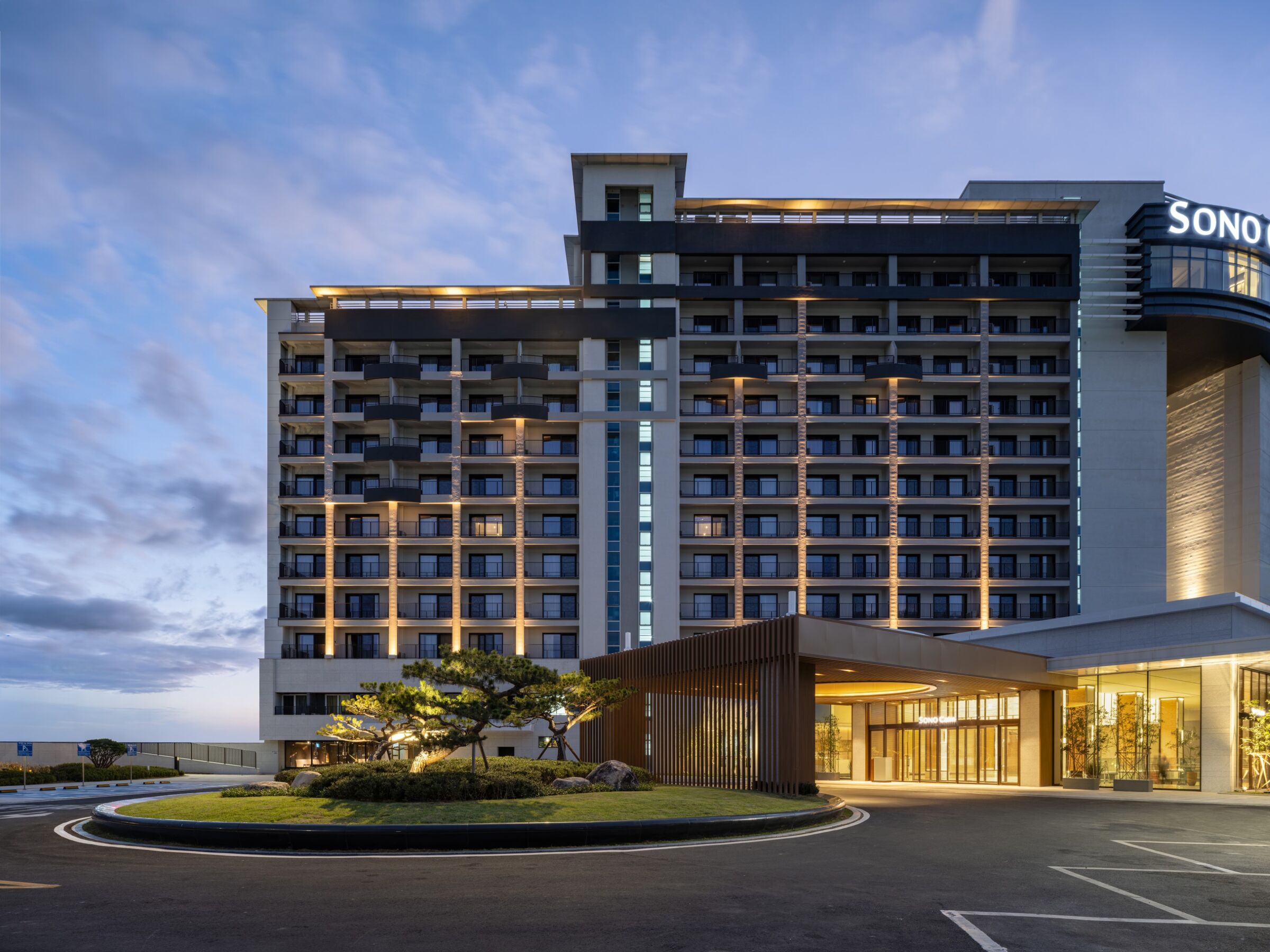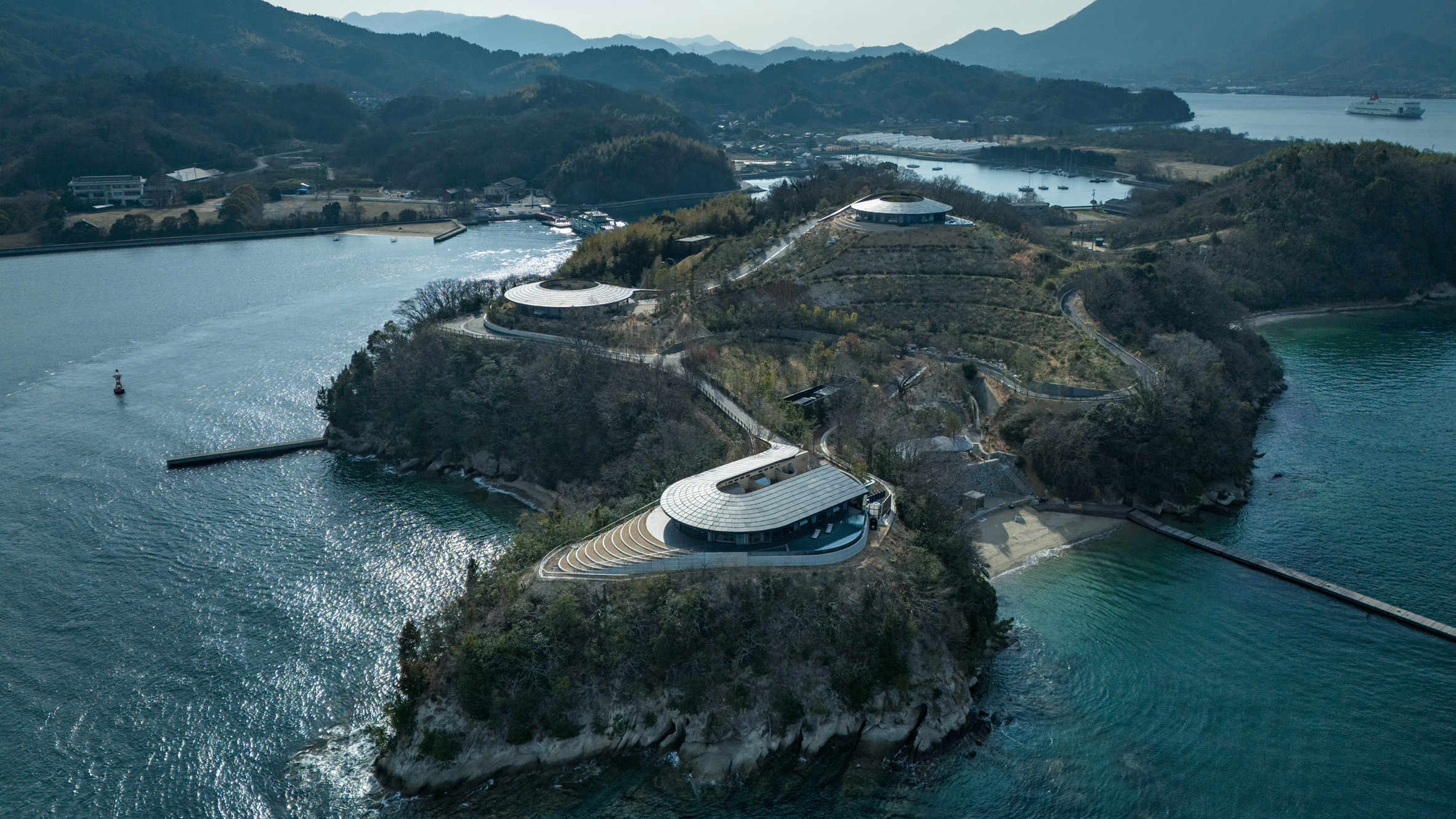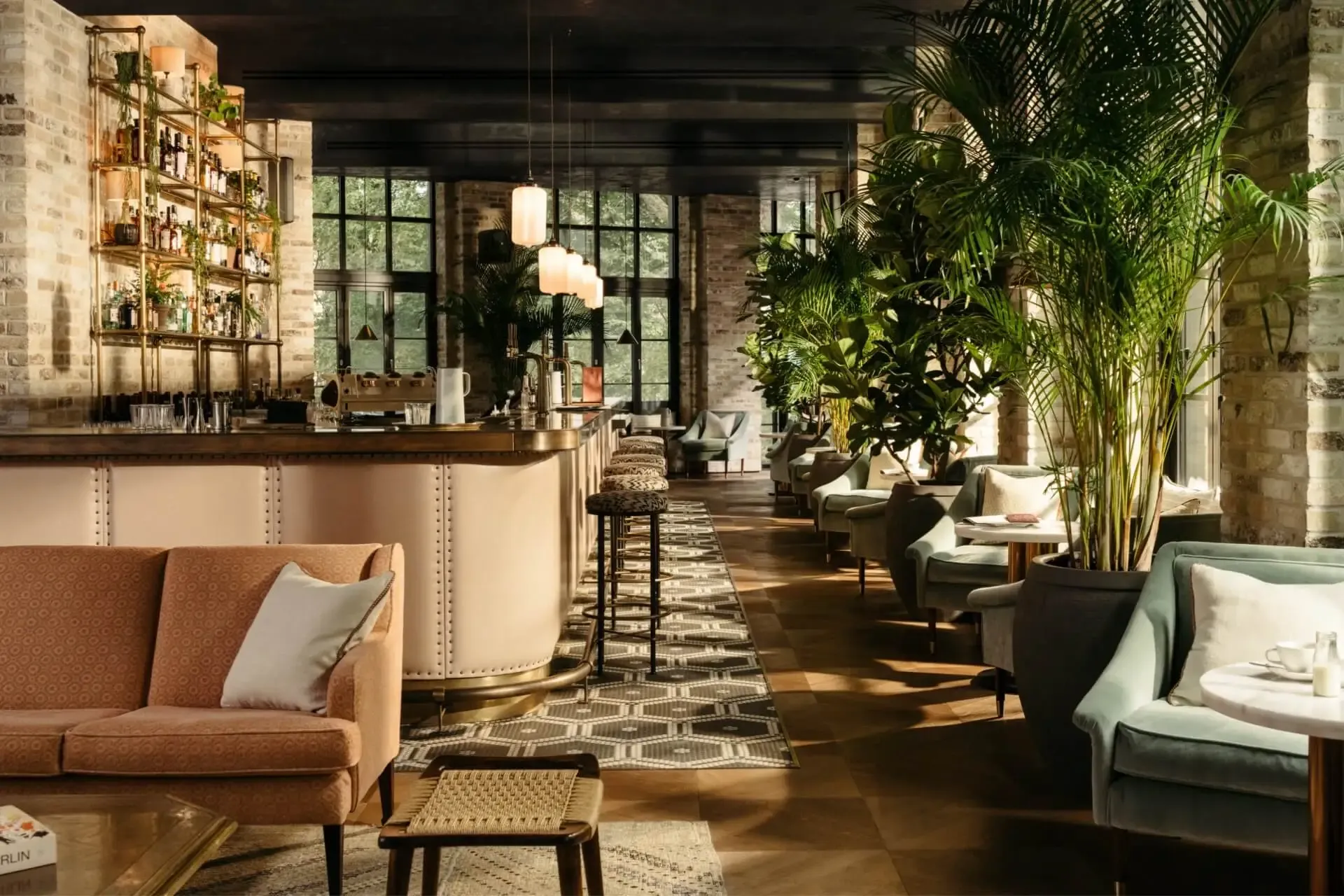
Hotels and resorts are no longer just about providing rooms - they are becoming cultural anchors and social hubs in the cities and destinations they inhabit. From urban hotels that double as creative living rooms to resorts that preserve local traditions, hospitality design is evolving into a force for community building and cultural storytelling. This article explores how the future of hospitality lies not only in comfort and luxury, but also in connection, identity, and shared experience.
Rethinking hotels and resorts as civic spaces where culture, connection, and community thrive
Hospitality has long been defined by the promise of comfort, privacy, and escape. But in today’s cities and destinations, hotels, resorts, and even boutique lodges are evolving into something larger than temporary accommodations. Increasingly, they are designed as community anchors - public spaces where locals and visitors meet, cultural identities are celebrated, and urban life is enriched. This shift suggests a deeper purpose: hospitality spaces as platforms for social connection and cultural exchange.
Beyond the Lobby: Hotels as Urban Living Rooms
Modern hospitality design no longer confines “guest experience” to the walls of a private room. Lobbies, rooftops, courtyards, and restaurants have become extensions of the public realm, acting like “third places” where people gather beyond home and work. The Ace Hotel chain, for example, pioneered the idea of transforming hotel lobbies into vibrant co-working and social spaces, blurring the line between guest amenity and local hub. Similarly, The Hoxton in London and Amsterdam integrates open-house cafés and cultural programming, inviting neighbors to enjoy the space as much as travelers.
These shifts position hotels not as isolated islands of luxury but as porous, participatory environments that embed themselves within the life of a city.

The Hoxton transforms lobbies into open living rooms, inviting locals and travelers to share the same social space
Resorts as Cultural Storytellers
In resort destinations, architecture and programming can extend beyond leisure to become vehicles for cultural preservation and storytelling. Take the Six Senses Con Dao in Vietnam, whose design draws from traditional fishing villages while using sustainable materials that honor local craftsmanship. Or Sumba’s Nihi Resort in Indonesia, which partners with community-led initiatives to support education, conservation, and heritage practices.
In these contexts, hospitality is less about indulgence and more about immersion, giving guests a chance to experience culture authentically while directly contributing to its preservation.

Six Senses Con Dao’s villas echo traditional fishing village forms, grounding luxury in local heritage
Designing with Local Identity in Mind
Hospitality spaces also play a role in shaping collective identity within rapidly globalizing cities. Seoul’s Ryse Hotel, for example, integrates local artists and creatives into its design and programming, positioning itself as both a hotel and a cultural incubator. Similarly, the Park Hyatt Kyoto weaves traditional ryokan aesthetics with contemporary architecture, creating a layered narrative that resonates with both locals and global visitors.
Such projects highlight how hospitality can become a medium of cultural translation - offering comfort for travelers while affirming the character of place for residents.

Ryse Hotel’s vibrant lobby doubles as a creative hub, blending art, design, and community energy
The Social Responsibility of Hospitality
If hospitality is increasingly public, then it also bears social responsibility. Community-oriented programming - local markets, workshops, exhibitions, performances - can make hotels vital contributors to civic life. The Andaz brand, for instance, emphasizes local engagement, with each property designed to reflect the neighborhood’s character and serve as a platform for local talent.
This approach challenges the traditional notion of hotels as exclusive or inward-looking. Instead, it reframes them as accessible, outward-facing institutions that bring value to the communities they inhabit.

The Andaz London embraces its East End roots, weaving local art and cultural programming into the guest experience
Design Lessons for the Future of Hospitality
The rise of community-centered hospitality suggests several key design lessons:
+ Openness Over Exclusivity: Public spaces should encourage community access, breaking down barriers between locals and guests.
+ Cultural Embeddedness: Architecture, interiors, and programming should reflect local heritage and voices rather than impose a universal brand aesthetic.
+ Sustainability as Shared Value: Eco-conscious hospitality design can benefit both visitors and communities, reinforcing a sense of long-term stewardship.
+ Programming as Design: Events, cultural activations, and collaborations are as important as physical design in shaping community impact.
Conclusion: Rethinking the Role of Hospitality
As cities densify and destinations adapt to global pressures, hospitality spaces must transcend their traditional role as transient lodging. They have the capacity to serve as community builders, enriching cultural life, providing public space, and offering opportunities for exchange that go far beyond a bed for the night.
Ultimately, the most successful hospitality projects are those that extend their value outward - becoming not only places where guests feel at home, but also where communities feel seen, celebrated, and connected.
Save this story. A free account keeps your reading list and the 07:00 email in one place.
CREATE FREE ACCOUNT →SIGN IN