A Question of What Deserves Protection
At World Archi Design, we've long observed that heritage institutions tend to look backward with a particular kind of conservatism. Stone, timber, ornament: these materials and methods carry an almost automatic legitimacy. But concrete, curtain walls, and the social ambitions embedded in modernist planning? For decades, those have struggled to command the same reverence. UNESCO's latest round of World Heritage inscriptions suggests that calculus is shifting. Among the twenty-five new sites added this year are three ensembles of twentieth-century architecture, each representing a distinct strand of modernist thought applied to vastly different geographies and political contexts.
The inscriptions cover thirteen buildings across Finland tied to the Aalto studio, the interwar port city center of Gdynia in Poland, and ten structures in Tashkent, Uzbekistan, built after the 1966 earthquake. Together, they signal that the concrete and steel of the mid-century are beginning to earn the same institutional protection historically reserved for Gothic cathedrals and Renaissance piazzas.
The Aalto Studio: Six Decades of Finnish Modernism
The Finnish inscription encompasses thirteen buildings constructed between 1928 and 1988, credited to Alvar Aalto, Aino Marsio-Aalto, Elissa Aalto, and their collaborative studio. The selection spans civic institutions, community centers, and residential projects distributed across both urban and rural sites. What binds them is a consistent engagement with modernism's social mandate: architecture as a tool for addressing collective needs, rooted in local material culture yet open to international discourse.
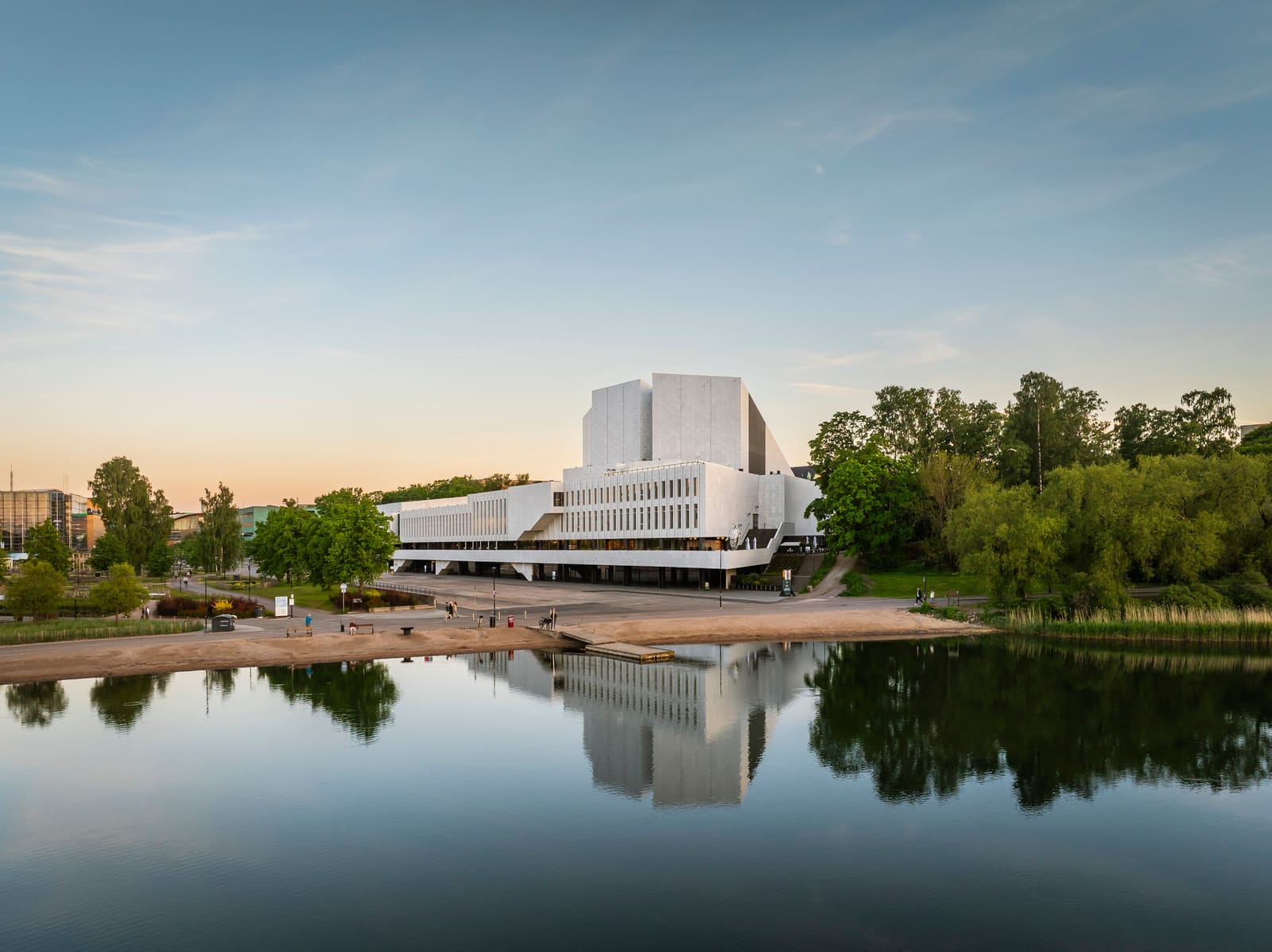
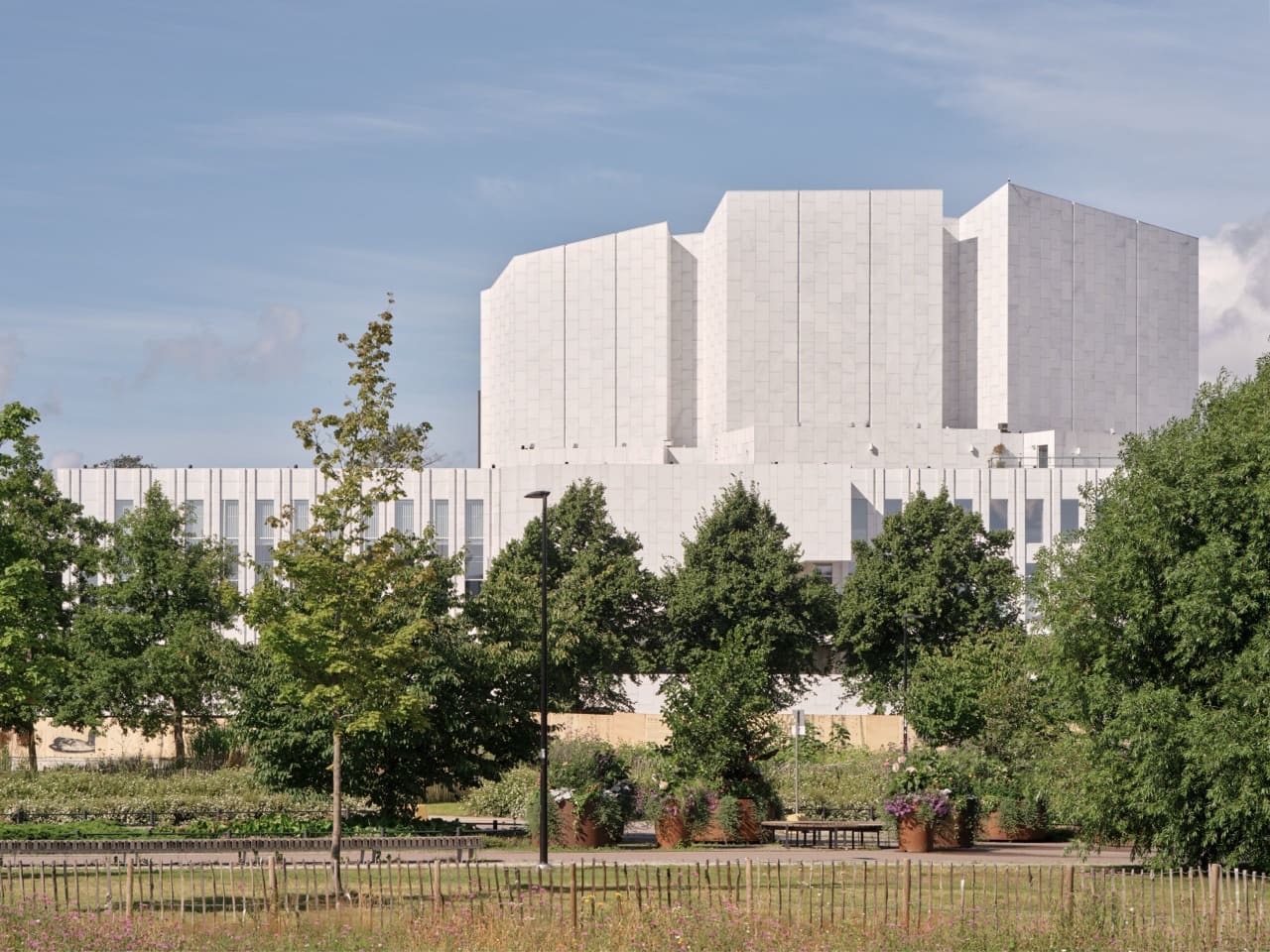
Five of the thirteen structures are located in Helsinki. In the Munkkiniemi suburb, the Aalto House and Studio Aalto offer a glimpse into the domestic and working environments of the practice. The National Pensions Institute building in Töölö, the House of Culture, and Finlandia Hall anchor the city center. Finlandia Hall, which underwent refurbishment between 2022 and 2025, now houses short-stay apartments furnished with pieces designed by the Aaltos, effectively turning heritage preservation into a form of immersive experience.
The buildings demonstrate a tectonic sensibility that distinguishes the Aaltos from their International Style contemporaries. Brick, copper, and timber appear alongside concrete, and fenestration patterns respond to Nordic light conditions rather than adhering to a universal curtain-wall formula. The Aaltos understood that modernism's universalizing rhetoric needed to be tempered by regional specificity, and their work consistently negotiated that tension.
Gdynia: Modernist Urbanism on the Baltic
The Gdynia inscription focuses on the city's interwar core, a district shaped by modernist planning principles and constructed during the period when Poland sought to establish a major seaport for the newly reconstituted republic. The listing includes key streets, building blocks, villas on Kamienna Góra hill, and surrounding residential architecture. Together, these structures represent a deliberate break from historicist design traditions that had dominated Polish architecture.
Gdynia's significance lies less in individual monuments than in its urban coherence. The city was essentially a blank slate in the early 1920s, a fishing village transformed into a functioning port city within two decades. That rapid development was guided by a modernist conviction that rational planning could produce not just efficient infrastructure but also a new kind of civic life. The residential blocks, commercial buildings, and public institutions were conceived as parts of a unified whole, a vision of urban modernity that contrasts sharply with the piecemeal growth typical of older European cities.
The architecture itself reflects the streamlined aesthetics of the interwar period: flat roofs, horizontal windows, white stucco facades, and minimal ornament. These formal choices were not merely stylistic but carried ideological weight, signaling a rejection of the decorative excess associated with pre-war bourgeois culture. In Gdynia, modernism was both a design language and a political statement.
Tashkent: Reconstruction After Catastrophe
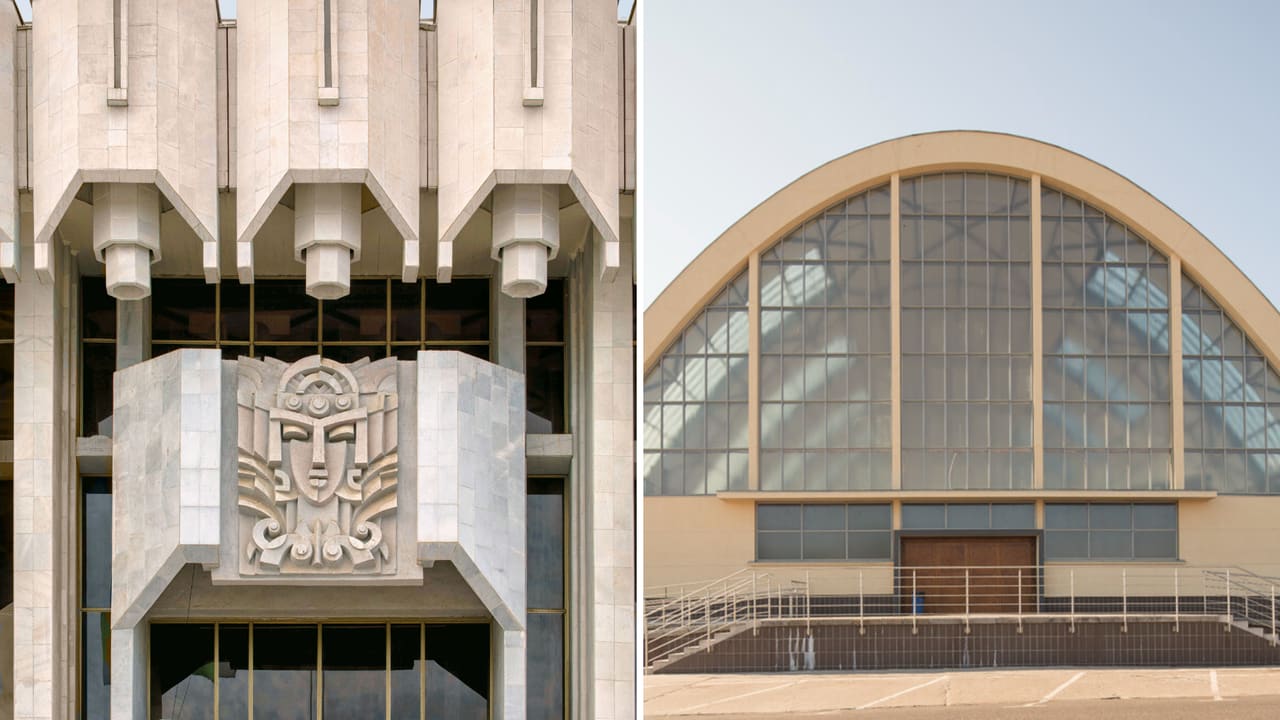
The Tashkent inscription recognizes ten buildings constructed between the 1960s and early 1990s, part of a massive reconstruction effort following the 1966 earthquake that devastated the Uzbek capital. The selection includes museums, exhibition halls, hotels, a market, a metro station, and residential complexes. What makes these structures noteworthy is how they synthesize Soviet-era planning logic with Central Asian spatial traditions, climate-responsive design strategies, and local craftsmanship.
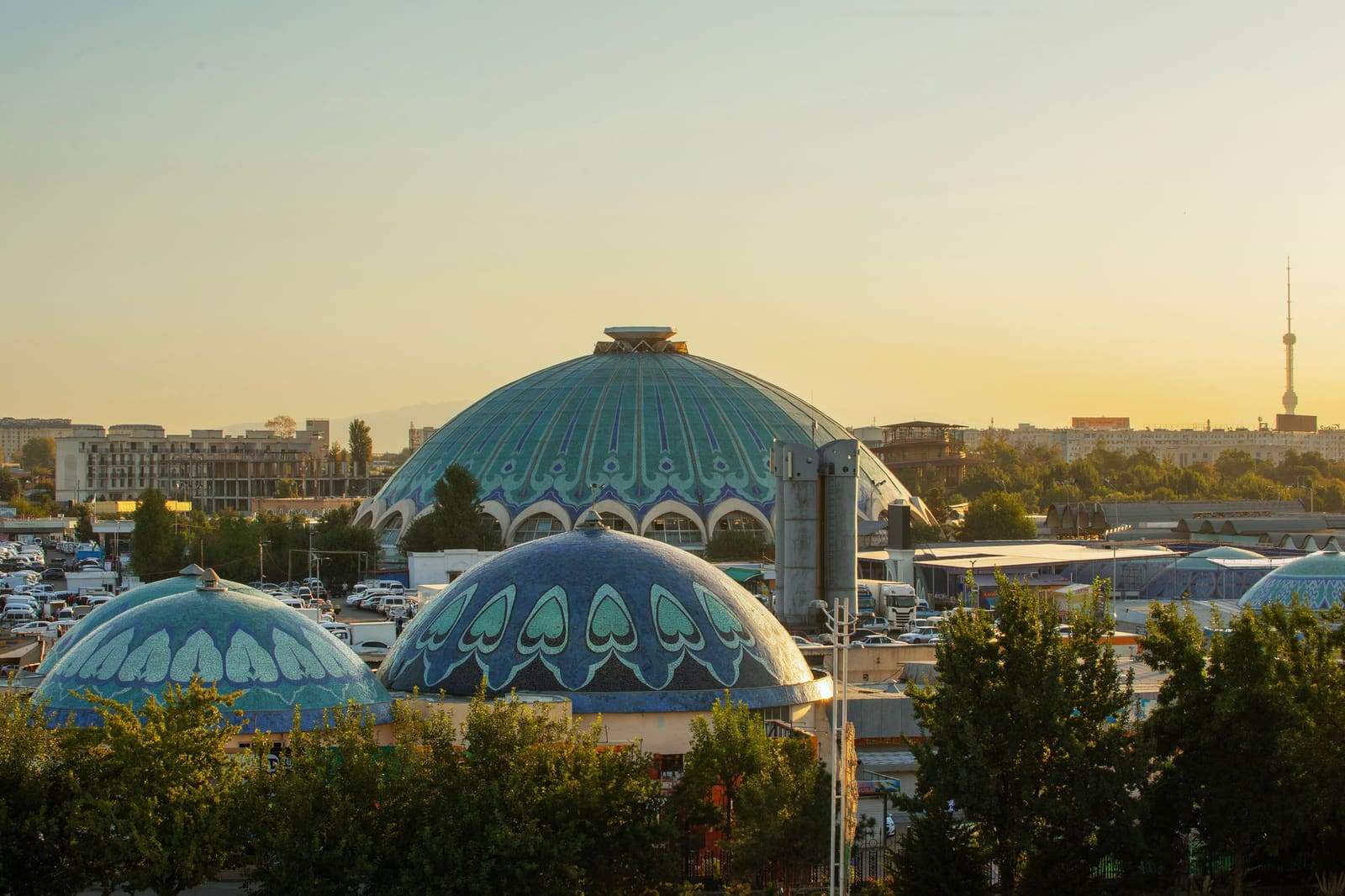
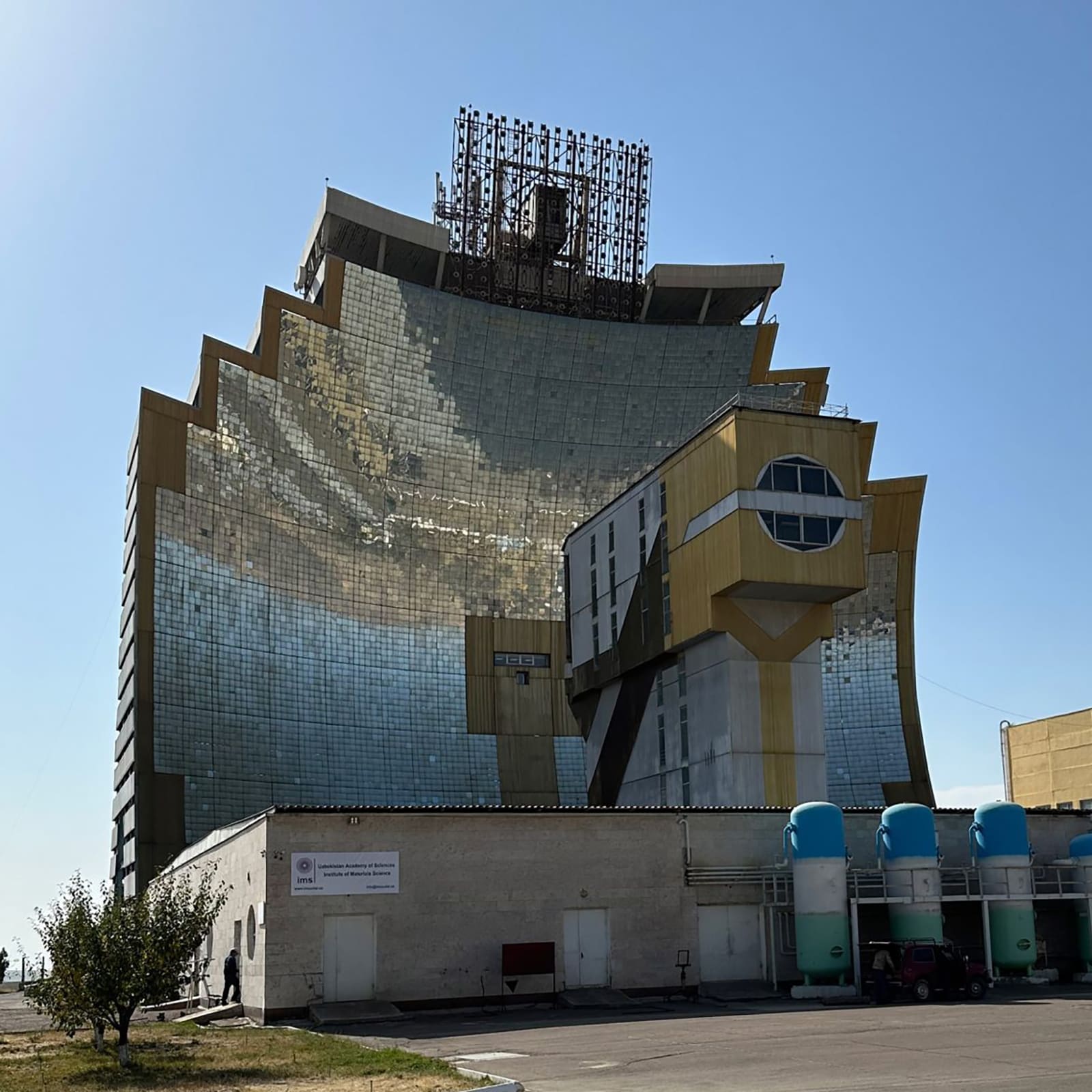
Soviet reconstruction doctrine emphasized speed, standardization, and monumentality, but Tashkent's architects adapted those directives to local conditions. The Chorsu Market, for example, employs a distinctive domed structure that recalls traditional bazaar typologies while utilizing modern construction techniques. The Kosmonavtlar Metro Station integrates decorative motifs drawn from regional artistic traditions, transforming a utilitarian transit node into a space of civic pride. The State Museum of History and the Big Solar Furnace demonstrate how institutional buildings could serve both functional and symbolic roles, embodying the Soviet Union's modernization ambitions while acknowledging Uzbekistan's cultural heritage.
By construction date, these buildings are now the youngest structures to hold World Heritage status. The inscription also makes Uzbekistan the first Central Asian nation recognized for its twentieth-century architectural heritage, a designation that carries geopolitical as well as cultural significance. It acknowledges that modernism was not solely a Western European or North American phenomenon but a global movement that took on distinct forms in different contexts.
Why the Turn to Modernist Heritage Matters Now
The inclusion of these three ensembles reflects a broader reassessment within heritage institutions of what qualifies as historically significant. For most of the twentieth century, heritage discourse privileged age, rarity, and traditional craftsmanship. Modernist buildings, by contrast, were often mass-produced, built with industrial materials, and conceived according to principles that explicitly rejected historical precedent. They were, in other words, designed to be contemporary, not timeless.
But as the mid-century recedes into the past, its architecture has become vulnerable. Concrete deteriorates, curtain walls leak, and the social programs that justified many modernist projects have fallen out of favor. Without formal protection, these buildings are easily demolished or altered beyond recognition. The UNESCO inscriptions provide a mechanism for preservation, but they also force a reckoning with modernism's contested legacy.
Not all modernist projects succeeded on their own terms. Urban renewal schemes displaced communities, housing estates became sites of social marginalization, and the utopian rhetoric embedded in many designs often failed to materialize. Preserving these buildings does not require endorsing every aspect of the modernist project, but it does mean recognizing that they document a pivotal moment in architectural history. They represent an era when architects believed, with varying degrees of naivety and ambition, that design could reshape society.
The Aalto studio, Gdynia's planners, and Tashkent's reconstruction architects all operated within that framework, and their work offers insight into how modernism adapted to different political, cultural, and environmental contexts. Protecting these buildings is not about nostalgia but about preserving a record of how twentieth-century societies imagined their futures.
What Comes Next
The UNESCO inscriptions are likely to accelerate a trend already underway: the mainstreaming of modernist heritage. Over the past decade, we've seen increasing attention paid to brutalist, metabolist, and postwar social housing projects, often driven by grassroots advocacy rather than top-down institutional mandates. The challenge now is ensuring that preservation efforts are selective and critical, rather than indiscriminate.
Not every modernist building deserves protection, and the criteria for determining which ones do remain contested. Should preservation prioritize architectural innovation, social significance, or cultural representation? How do we balance the needs of contemporary users with the imperative to maintain historical integrity? These questions are particularly urgent for buildings that were designed to be flexible and adaptable, qualities that can be at odds with the rigidity often imposed by heritage frameworks.
The Aalto, Gdynia, and Tashkent inscriptions offer three different models for how modernist heritage might be approached. The Finnish designation emphasizes the authorship of a single studio and the continuity of a design philosophy over six decades. Gdynia's listing focuses on urban coherence and the application of planning principles at the scale of an entire city district. Tashkent's recognition highlights post-disaster reconstruction and the synthesis of modernist doctrine with regional traditions. Each model has its strengths and limitations, and together they suggest that there is no single formula for evaluating twentieth-century architecture.
What is clear is that modernism is no longer the upstart challenger to heritage orthodoxy but an established category within it. The concrete and glass of the mid-century now stand alongside medieval castles and ancient ruins as part of humanity's architectural inheritance. Whether that shift represents a genuine expansion of what counts as heritage or simply the absorption of modernism into the same institutional structures it once sought to disrupt remains an open question.
Credit: Future
Save this story. A free account keeps your reading list and the 07:00 email in one place.
CREATE FREE ACCOUNT →SIGN IN