Project Info
Project Name: Barrancas
Location: Mexico City, Mexico
Architect: Pérez Palacios Arquitectos Asociados (PPAA)
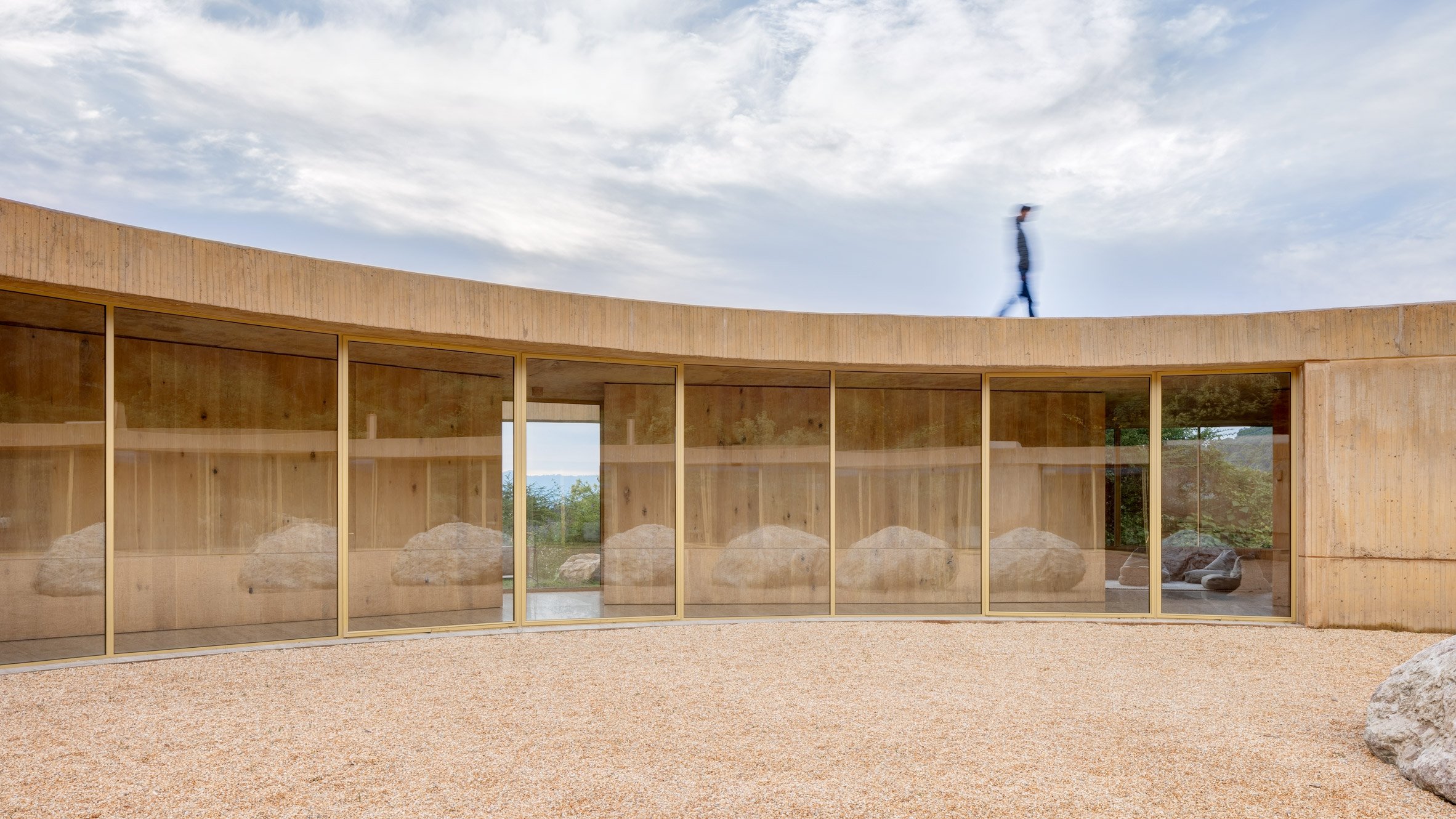
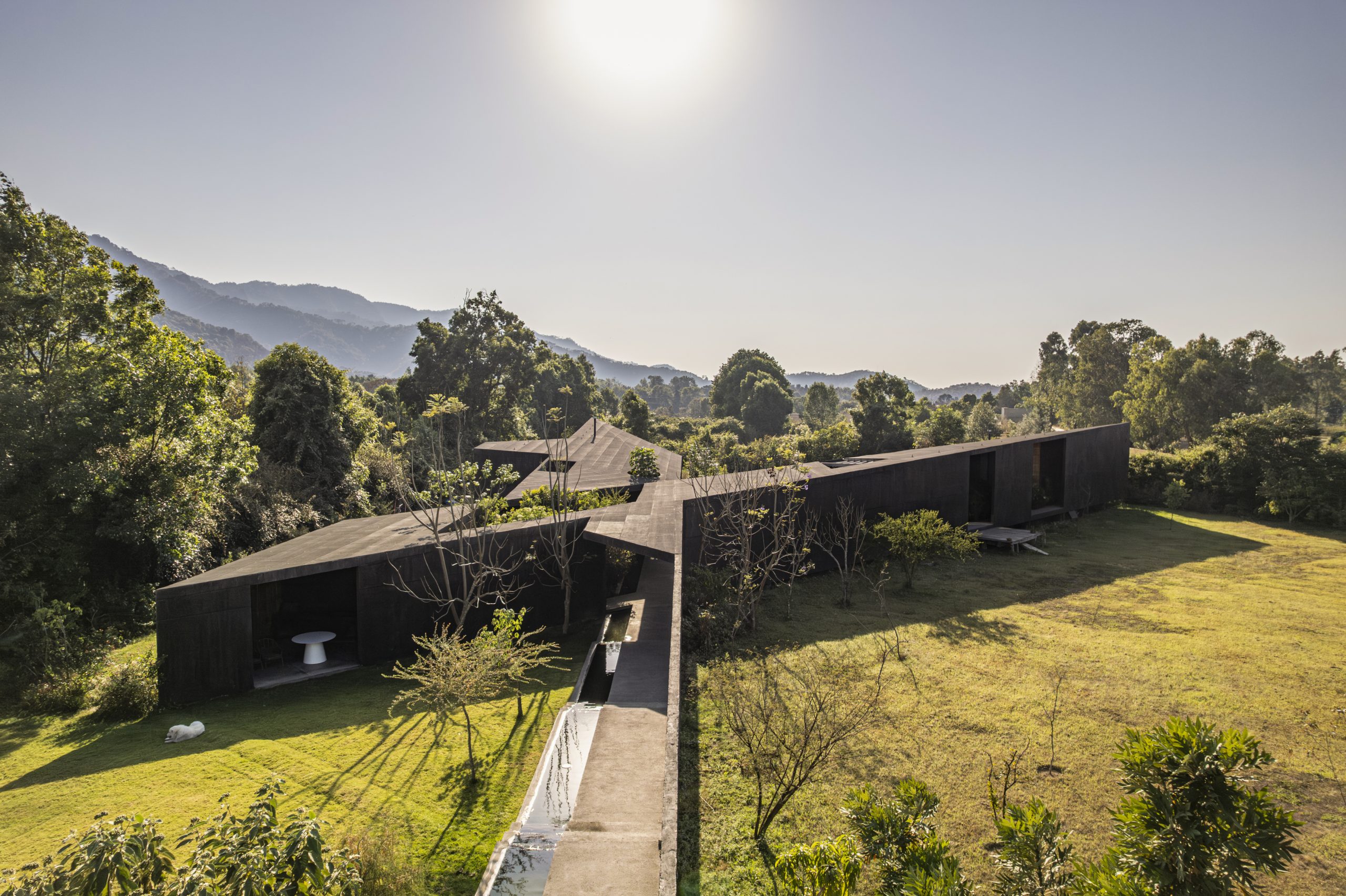
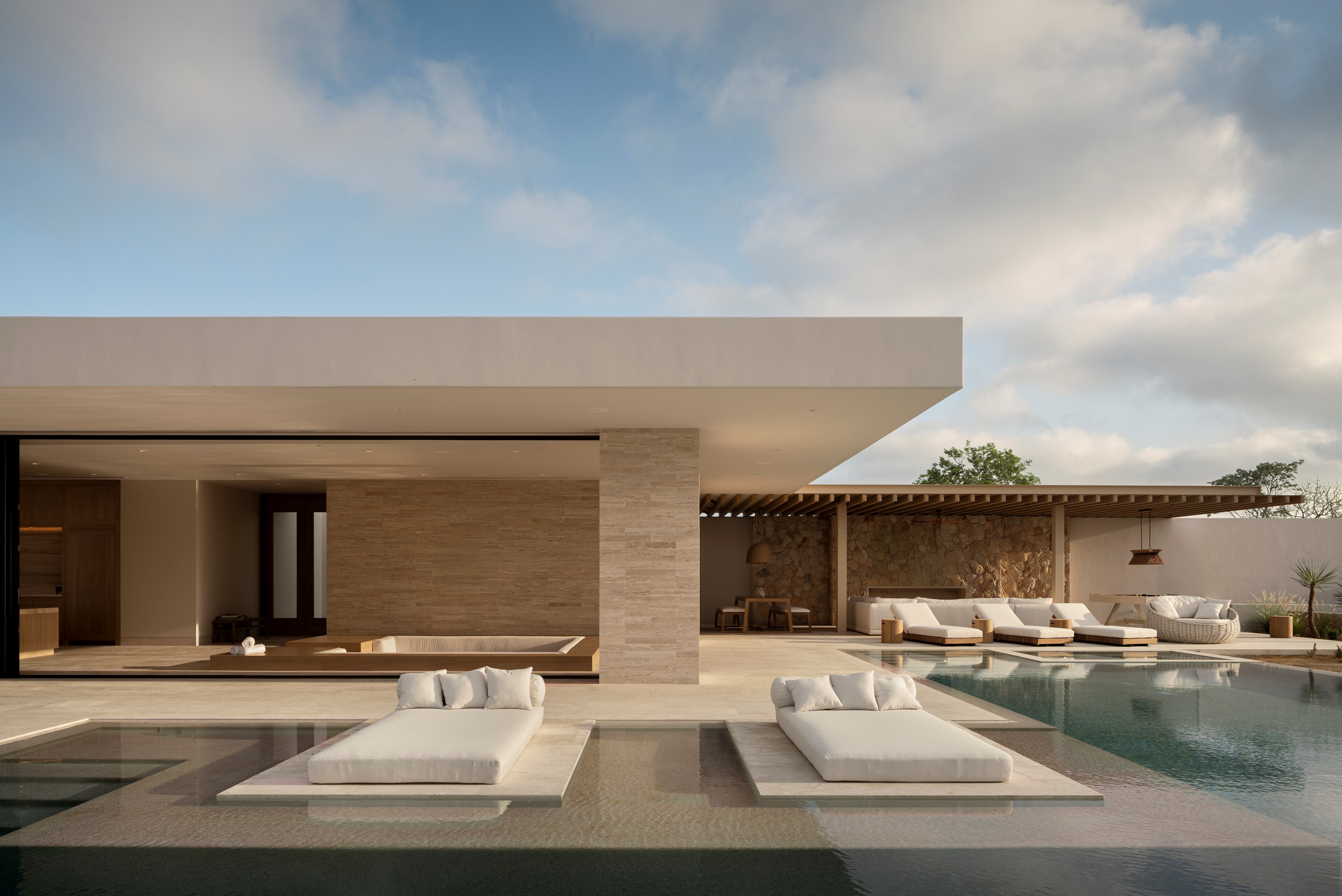
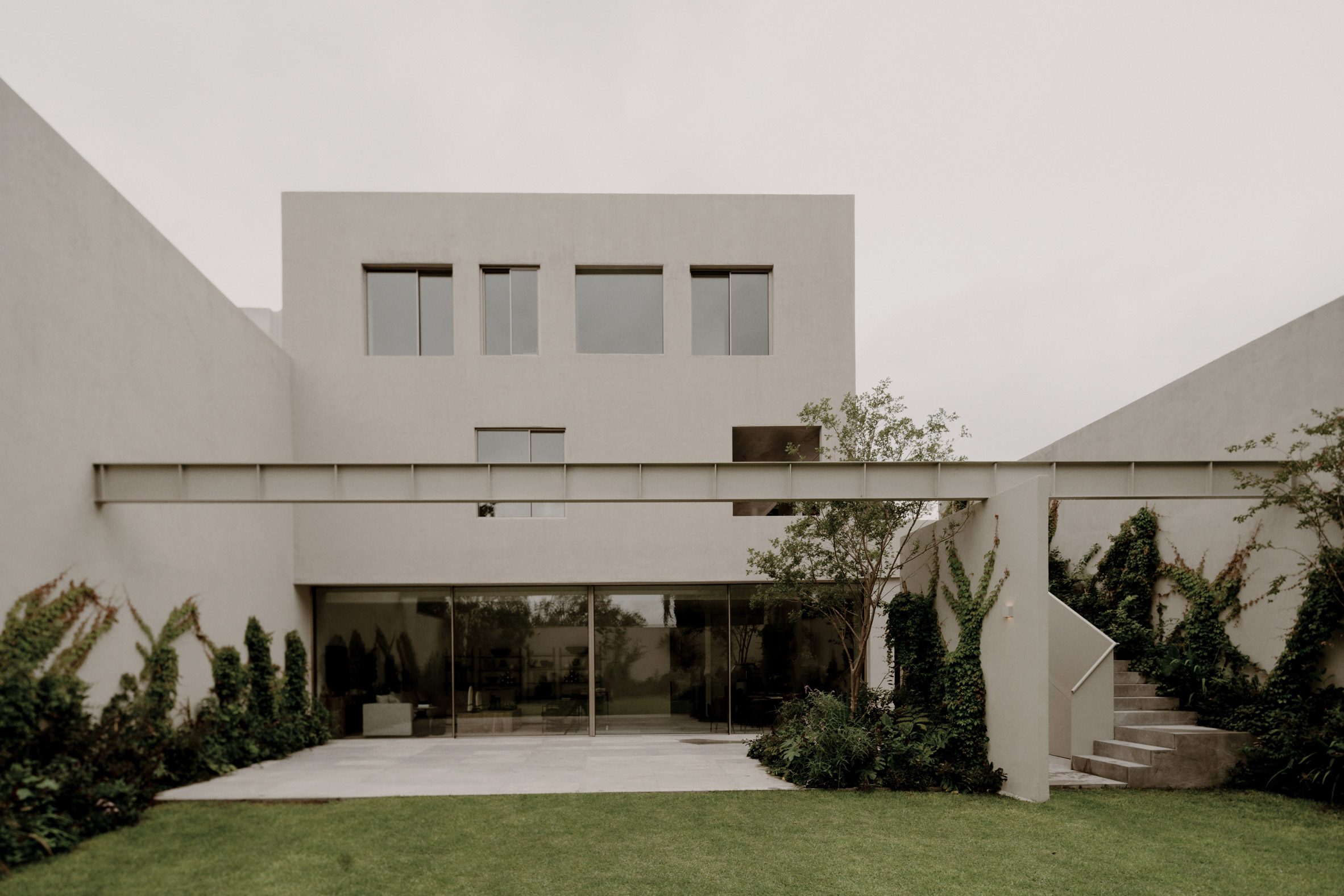
In the dense fabric of Mexico City, where architecture often negotiates between weight and openness, Mexican studio PPAA proposes a striking contradiction: a home that appears both grounded and lifted, heavy yet improbably light. Their latest residential project rethinks the relationship between structure and terrain, placing a monolithic concrete volume atop a slender metal base - an intervention that subtly defies gravity while anchoring itself in material honesty.
A House Elevated, Not Imposed
Rather than embedding the building directly into the ground, PPAA elevates the main living volume on a steel framework, creating a deliberate separation between the domestic space and the ground plane. This decision is not purely aesthetic. It allows the house to “hover”, minimizing its footprint while preserving permeability at street level - an increasingly valuable gesture in the tight urban grain of the city.
The result is a dual condition: a solid, introverted concrete mass above, and a lighter, more open base below. The metal structure functions almost like a pedestal, lifting the house into a quieter spatial realm, away from the immediacy of the street.

A monolithic concrete volume hovers above a slender steel frame, creating a striking illusion of weightlessness
Concrete as Mass, Light as Counterpoint
PPAA’s use of exposed concrete continues a long lineage within Mexican architecture, where the material has been celebrated for both its durability and expressive capacity. Here, however, concrete is not just structural, it becomes atmospheric.
The upper volume is composed of thick planes and carefully carved openings that control light with precision. Interiors are shaped by a choreography of shadow and illumination, where natural light filters in through voids and cuts, softening the perceived heaviness of the material.
This interplay creates a sense of introspection: the house turns inward, offering moments of calm and enclosure, while still maintaining visual connections to the outside.

Deep-set openings puncture the concrete shell, allowing shafts of natural light to soften the material’s density and shape a contemplative interior atmosphere

Interior spaces unfold through a series of restrained thresholds, where light, shadow, and proportion guide movement and define moments of quiet retreat

Soft natural light washes across the bedroom’s surfaces, balancing enclosure with a quiet sense of openness
A Structural Dialogue: Steel vs. Stone
What makes the project particularly compelling is the contrast between its two primary systems. The steel base is slender, almost provisional, while the concrete volume above is dense and permanent. This juxtaposition produces a visual tension that recalls earlier experiments in Mexican architecture that sought to challenge gravity and monumentality.
In this sense, the house can be read as part of a broader cultural continuum, where architecture becomes an exploration of balance, both physical and symbolic. The elevated form suggests a desire to detach from the ground without abandoning it entirely.

The concrete volume hovers above a recessed base, where shadowed steel elements heighten the contrast between weight and precision
Spatial Sequence and Domestic Ritual
Inside, the house unfolds as a sequence of carefully framed experiences. Circulation is guided by shifts in light, material, and proportion rather than overt gestures. The design avoids excess, focusing instead on subtle transitions between spaces - private and communal, enclosed and open.
The elevated position enhances privacy while allowing controlled views outward, reinforcing the idea of the home as a retreat from the city’s intensity.

The living space is softened by filtered daylight and minimal furnishings, creating a calm, monolithic interior that balances austerity with warmth

A restrained palette of concrete, metal, and natural finishes defines the kitchen and dining area

Warm timber joinery and soft-toned surfaces frame a serene, contemplative pause within the home’s circulation

Timber elements soften the raw concrete envelope, creating a cocoon, tactile contrast for the bathing space
Architecture as Controlled Defiance
Ultimately, PPAA’s concrete house is less about spectacle and more about restraint. Its defining gesture - the lifted volume - is not exaggerated but measured, almost quiet. Yet within this restraint lies a powerful idea: that architecture can challenge gravity not through dramatic cantilevers, but through precise calibration of structure, material, and space.
In a city where the earth often dictates form, this house proposes an alternative where the building hovers just enough to redefine its relationship with the ground, and in doing so, reimagines what it means to dwell.
PHOTO CREDIT: Luis Garvan
Save this story. A free account keeps your reading list and the 07:00 email in one place.
CREATE FREE ACCOUNT →SIGN IN