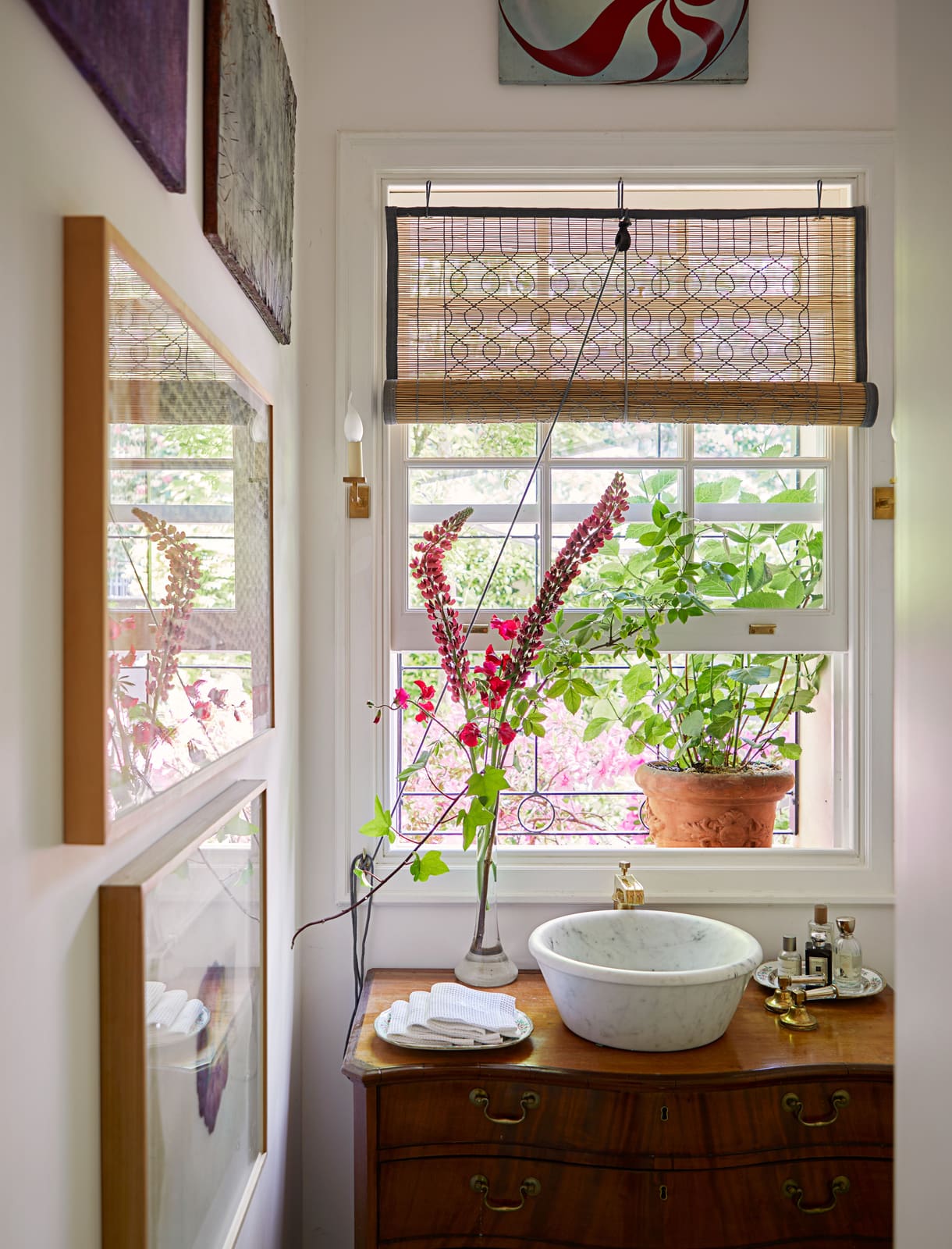
The Overlooked Surface
We spend considerable energy designing living rooms and bedrooms, yet the bathroom counter often remains an afterthought, a landing zone for bottles and loose items that accumulate without intention. At World Archi Design, we've observed a shift in how designers approach these utilitarian surfaces, treating them not as secondary spaces but as opportunities for material exploration and spatial organization. The bathroom tray, once relegated to purely functional status, has become a vessel for this transformation.
The logic is straightforward: designate a boundary, and everything within it gains purpose. But the execution reveals deeper considerations about how we interact with domestic space during the most routine moments of our day.
Material Contrasts in Humid Environments
Bathrooms present unique environmental challenges. Humidity, temperature fluctuation, and constant exposure to water demand materials that can withstand these conditions while maintaining their aesthetic integrity. This constraint has led designers to explore finishes and substrates that perform as well as they appear.
Diatomaceous earth, a sedimentary rock composed of fossilized algae, offers natural moisture-wicking properties that make it particularly suited to wet environments. Products utilizing this material address a practical problem: soap and skincare products left directly on counters create residue and water rings. The porous structure of diatomaceous earth absorbs excess moisture, keeping items dry while maintaining a clean, minimalist profile. The material's matte, stone-like appearance aligns with contemporary preferences for neutral palettes and tactile surfaces.
Marble introduces a different set of considerations. As a metamorphic rock with natural veining and color variation, each piece carries geological history. Elongated trays cut from single slabs showcase this inherent patterning, turning what might be a simple organizing tool into a focal point. The weight and coolness of stone create a sensory experience distinct from lighter materials, grounding objects placed upon it. Cherry red and gold-toned marble varieties add unexpected warmth to spaces typically dominated by whites and grays.
Rattan and woven natural fibers offer textural counterpoints to the hard, reflective surfaces common in bathrooms: glass mirrors, chrome fixtures, porcelain tile. Handwoven rattan trays introduce organic irregularity and a tactile quality that softens the overall material composition of the room. The raised edges characteristic of basket-weaving techniques provide functional containment while creating visual depth through shadow and light interaction.
Form Following Daily Ritual
The shape and proportion of a tray dictate how it integrates into daily routines. Elongated rectangular forms, typically measuring around twelve inches in length, accommodate linear arrangements of items: a soap dispenser, a small plant, a candle. This configuration suits narrow vanity depths and creates visual rhythm through repetition of vertical elements.
Square or circular trays centralize items, creating a focal point rather than a sequence. This geometry works particularly well when a vanity has ample surrounding space, as the tray becomes an anchoring element rather than a space-saving device.
Scalloped edges and undulating borders disrupt the orthogonal grid that defines most bathroom architecture. These organic forms introduce movement and softness, echoing natural patterns found in water and landscape. When executed in hand-marbled finishes with swirling blue pigments, the effect compounds, creating a visual reference to water that feels appropriate for the room's function.
Surface as Canvas
Certain designers approach the tray not as a container but as a ground for material experimentation. Liquid porcelain applied by hand to stoneware bases creates unpredictable surface variations, ensuring each piece differs slightly from the next. This technique prioritizes process over uniformity, revealing the maker's hand in subtle texture and pattern shifts.
Ceramic interpretations of traditional basketweaving demonstrate how historical craft techniques can inform contemporary object-making. Hand-built lattice structures in stoneware maintain the visual language of woven materials while transforming them into permanent, rigid forms. The interplay between solid and void creates sculptural interest that persists even when the tray sits empty.
Fabric-wrapped trays introduce an unusual softness to bathroom surfaces. Engineered wood frames covered in tonal striped textiles bring warmth and a tactile quality rarely associated with moisture-prone spaces. This approach requires careful material selection, as fabrics must resist humidity and maintain structural integrity over time.
Scale and Proportion
Oversized trays, some exceeding twenty inches in length, function differently than their compact counterparts. Rather than organizing a small collection of essentials, they define entire zones on expansive countertops. Rippled surfaces inspired by water movement across riverbeds add visual complexity that shifts with changing light throughout the day. In ultra-modern bathrooms with minimal ornamentation, such pieces serve as primary decorative elements, their scale and form commanding attention.
Conversely, smaller trays measuring under ten inches suit tighter vanities and single-sink configurations. These compact versions prioritize efficiency, containing only the most frequently used items while leaving surrounding counter space open. The challenge becomes selecting pieces with enough visual interest to justify their presence despite their modest footprint.
The Patina of Use
Some materials improve with age and handling. Vegetable-tanned leather, when treated with water-resistant coatings, develops a rich patina over months and years of use. The finish darkens and acquires subtle variations in tone, creating a record of interaction. This quality aligns with broader design movements that value longevity and the visual evidence of time passing.
Handmade ceramics with reactive glazes similarly evolve, their surfaces acquiring microscopic changes that only become apparent upon close inspection. These materials resist the disposability often associated with bathroom accessories, positioning themselves instead as enduring objects worthy of long-term investment.
Styling Beyond Function
While the primary purpose remains organizational, the styling potential of these surfaces cannot be ignored. A tray becomes a stage for composition: the placement of a small vase with fresh stems, a vintage perfume bottle, a sculptural soap dish. These arrangements transform routine objects into considered vignettes, elevating the everyday act of washing hands or applying skincare into something more intentional.
The key lies in restraint. Overcrowding negates the organizational benefit and creates visual clutter. Successful arrangements typically feature three to five items with varied heights and forms, allowing each object breathing room while maintaining cohesion through color, material, or style.
Precedent and Evolution
The notion of the vanity tray has roots in earlier domestic traditions: the dressing table with its silver-backed mirrors and crystal perfume bottles, the grooming kit with designated compartments for brushes and razors. Contemporary interpretations maintain this spirit of intentional presentation while adapting to current aesthetic preferences and material technologies.
Where historical examples often emphasized precious metals and fine china, today's versions explore sustainable materials, artisan craft, and sculptural form. The shift reflects broader changes in how we value objects: provenance and process matter as much as appearance, and functionality need not preclude artistic expression.
Looking forward, we anticipate continued material innovation as designers seek solutions that balance environmental responsibility with durability and visual appeal. The bathroom tray, modest as it may seem, serves as a testing ground for these explorations, a small-scale proving ground for ideas that may eventually inform larger architectural interventions.
Credit: Miguel Flores-Vianna
Save this story. A free account keeps your reading list and the 07:00 email in one place.
CREATE FREE ACCOUNT →SIGN IN