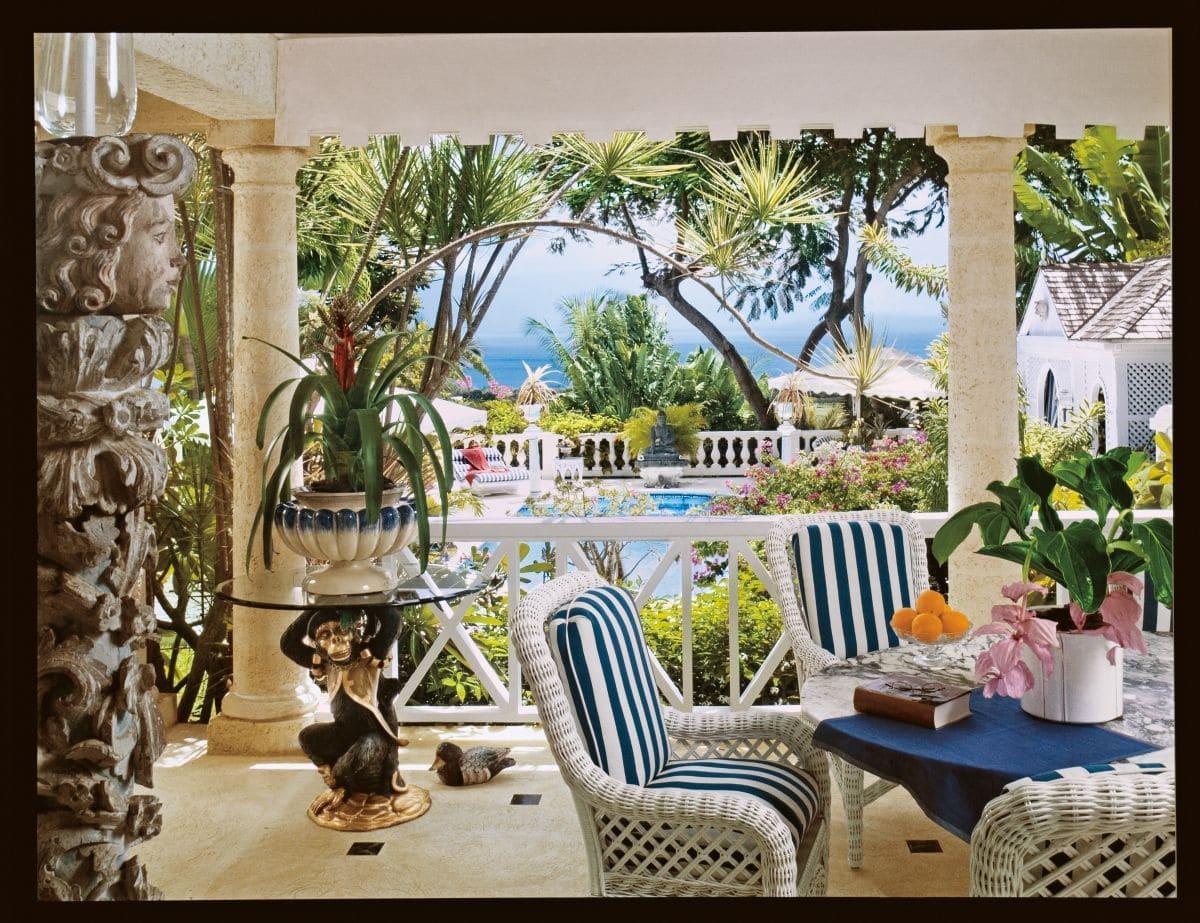
A Material That Refuses to Be Typecast
Walk through enough high-profile interiors and you'll notice something: woven furniture no longer signals a single aesthetic. The material once relegated to sun porches and Cape Cod cottages now appears in formal living rooms, modernist bedrooms, and urban kitchens with equal confidence. What changed? Designers stopped treating it as a coastal cliché and started recognizing it as a textural tool with remarkable range.
Kate Ferguson of Palomino Interiors in New Canaan has watched this shift unfold firsthand. She gravitates toward antique French bistro pieces and keeps an eye out for names like Franco Albini, Nanimarquina, Bielecky Brothers, and Atelier Vime. For Ferguson, the material's value lies in its ability to introduce warmth and handmade character into spaces that might otherwise feel too refined or sterile. She recalls studying an image of a formal Italian living room where vintage Albini Lobster Pot stools sat beside a chinoiserie lacquered coffee table. One element read polished and ceremonial; the other, rustic and artisanal. Together, they created a dialogue that neither could achieve alone.
This kind of juxtaposition is where woven furniture earns its place in contemporary design. It softens hard edges, introduces organic texture, and offers visual relief in rooms dominated by metal, glass, or stone. And unlike upholstered pieces that require frequent cleaning or reupholstering, woven furniture demands relatively little maintenance while delivering significant aesthetic impact.
The Craft Behind the Weave
Understanding woven furniture begins with a clarification: wicker is not a material but a method. The term describes the technique of weaving pliable plant fibers into furniture and objects. Rattan, bamboo, willow, and raffia are among the materials most commonly used. Natural fibers bring warmth and variation in tone, but they're vulnerable to moisture and mildew, particularly in outdoor settings. That vulnerability has driven manufacturers to develop synthetic alternatives, often called resin wicker, which mimic the appearance of natural fibers while withstanding rain, humidity, and UV exposure.
The distinction matters when specifying furniture for different environments. A handwoven rattan pendant light works beautifully in a dry interior but would struggle in a bathroom or covered porch where condensation accumulates. Conversely, a resin wicker dining set can remain outdoors year-round without warping or fading, though it may lack the subtle color variations and tactile richness of natural materials.
Designers attuned to these differences can make informed choices that balance aesthetics with practicality. A natural rattan bed frame introduces texture and warmth to a bedroom without the durability concerns of an outdoor piece. A synthetic wicker chaise lounge can anchor a poolside seating area without requiring seasonal storage or protective covers.
Midcentury Modernism Meets Organic Craft
Few pieces illustrate the material's versatility as clearly as Poul Kjærholm's PK22 Easy Chair, produced by Fritz Hansen. Designed in the 1950s, the chair pairs a sleek steel base with a woven seat and back. The frame's upturned feet and minimalist geometry read as unambiguously modernist, while the woven surface introduces a tactile, handcrafted quality that tempers the metal's coolness. The result is a piece that feels both disciplined and approachable, a combination that has kept it in continuous production for decades.
Kjærholm's design demonstrates how woven materials can function within modernist vocabularies without compromising formal rigor. The chair doesn't rely on the material to signal a specific lifestyle or aesthetic; instead, it uses the weave as a textural element that complements the steel's precision. This approach has influenced contemporary designers who see woven furniture not as a nostalgic reference but as a material choice with distinct formal and sensory properties.
Other examples include low-profile wicker dining chairs with powder-coated steel frames, pendant lights with bell-shaped woven shades suspended from antique brass chains, and sectional sofas with metal bases and tightly woven synthetic fiber. In each case, the weave provides visual and tactile interest while the supporting structure anchors the piece in a modern context.
Outdoor Furniture and the Durability Question
Outdoor woven furniture has evolved significantly over the past two decades. Early synthetic wicker products often looked unconvincing, with stiff fibers and unnatural sheen that telegraphed their artificial origins. Recent developments in resin technology have produced materials that closely replicate the appearance and texture of natural fibers while offering superior weather resistance.
This evolution has expanded the possibilities for outdoor seating and dining areas. Woven lounge chairs with aluminum frames can remain exposed to sun and rain without fading or cracking. Dining sets with teak tabletops and woven chairs combine the durability of solid wood with the lightweight flexibility of synthetic fiber. Side tables with woven bases and powder-coated metal accents can transition seamlessly between covered patios and open lawns.
The aesthetic benefits extend beyond durability. Woven outdoor furniture introduces organic texture to hardscaped environments, softening the visual impact of concrete pavers, stone walls, and metal railings. In garden settings, the material's neutral tones allow plantings to take center stage while still providing comfortable, functional seating. And because synthetic wicker comes in a range of colors, from natural tan to deep oxblood, designers can coordinate or contrast with existing palettes without sacrificing weather resistance.
Interior Applications Beyond the Expected
While outdoor furniture dominates much of the woven furniture market, interior applications offer equally compelling opportunities. Woven counter stools, for example, can break up the monotony of all-white cabinetry in a kitchen, introducing texture and warmth without requiring pattern or color. A woven bed frame adds coziness to a bedroom while maintaining a clean, uncluttered profile. Wall-mounted woven shelves provide storage in small spaces without the visual weight of solid wood or metal alternatives.
Lighting represents another area where woven materials excel. Pendant lights with woven shades cast intricate shadow patterns that shift throughout the day as natural light changes. The concentrated downward beam works well over dining tables, kitchen islands, or reading nooks, while the shade itself becomes a sculptural element that draws the eye upward. Multiple pendants in varying sizes can create a layered installation that adds dimension to high-ceilinged spaces.
Accessories offer a lower-commitment entry point for those hesitant to invest in larger woven pieces. Trays with scalloped edges can organize items on a nightstand or credenza, adding texture to surfaces dominated by smooth wood or lacquered finishes. Baskets with sturdy handles function as practical storage while contributing visual warmth to entryways, mudrooms, or pantries. Even small details, like woven drawer pulls or cabinet inserts, can introduce the material's tactile qualities without overwhelming a space.
The Precedent of Franco Albini
No discussion of woven furniture in contemporary design would be complete without acknowledging Franco Albini. The Italian architect and designer, active from the 1930s through the 1970s, created a body of work that elevated rattan and wicker from humble materials to elements worthy of refined interiors. His designs often combined slender metal frames with tightly woven rattan, achieving a balance between industrial precision and organic warmth that remains influential today.
Albini's approach demonstrated that woven furniture could coexist with formal, polished interiors without creating stylistic dissonance. His pieces appeared in villas, galleries, and cultural institutions, contexts that demanded sophistication and restraint. By treating rattan as a serious material rather than a decorative flourish, he opened possibilities that subsequent generations of designers have continued to explore.
Contemporary designers who reference Albini's work often emphasize the same principles: clarity of form, honesty of materials, and a refusal to disguise the craft involved in production. These values align closely with current movements toward sustainability and transparency in manufacturing, making woven furniture an appealing choice for designers and clients who prioritize both aesthetics and ethics.
Sourcing and Specification Considerations
Specifying woven furniture requires attention to several factors beyond aesthetics. For outdoor pieces, UV resistance, water drainage, and frame material all affect longevity and maintenance requirements. Aluminum frames resist rust better than steel but may lack the visual weight of wrought iron. Synthetic fibers labeled as all-weather or marine-grade offer the best durability, though natural materials may be preferable for covered porches or indoor-outdoor spaces with minimal exposure.
For interior pieces, consider the fiber's source and production method. Handwoven rattan furniture typically exhibits slight variations in color and texture, characteristics that add character but may not suit projects requiring uniformity. Machine-woven pieces offer greater consistency and often lower costs, though they may lack the tactile richness of handmade work.
Antique and vintage woven furniture presents its own set of considerations. Pieces from French bistros, mid-century Italian designers, or colonial-era manufacturers can introduce historical depth and patina that new furniture cannot replicate. However, structural integrity varies widely, and repairs may require specialized craftspeople. For clients drawn to the aesthetic but concerned about durability, high-quality reproductions can offer a compromise that balances character with reliability.
Where the Material Is Heading
At World Archi Design, we've been tracking the increasing presence of woven furniture in projects that resist easy categorization. The material appears in minimalist Scandinavian interiors, maximalist bohemian spaces, and traditional homes undergoing contemporary updates. This ubiquity suggests that designers and clients alike have moved beyond viewing wicker and rattan as markers of a specific style and now recognize them as flexible tools in a broader material palette.
The next evolution may involve more experimentation with color, scale, and hybrid forms. We're already seeing woven furniture in unexpected hues: deep greens, terracotta, charcoal. Oversized pieces, like seven-foot pendant lights or sectional sofas with woven bases, push the material beyond accent status into primary architectural elements. And combinations of woven fiber with materials like concrete, brass, or terrazzo create visual tension that feels fresh and unresolved in the best sense.
As sustainability concerns continue to shape design decisions, woven furniture's relatively low environmental impact compared to petroleum-based plastics or energy-intensive metals may further increase its appeal. Natural fibers, when sourced responsibly, offer biodegradability and carbon sequestration benefits. Even synthetic alternatives, when designed for longevity rather than disposability, represent a more sustainable choice than fast-furniture models that prioritize low cost over durability.
The material's resurgence, then, is less about nostalgia and more about recognition: woven furniture offers textural depth, formal versatility, and environmental advantages that few other materials can match. Whether specified for a windswept coastal terrace or a formal urban living room, it introduces a quality that remains difficult to replicate with any other technique.
Credit: Dan Forer
Save this story. A free account keeps your reading list and the 07:00 email in one place.
CREATE FREE ACCOUNT →SIGN IN