Abstract
Architectural competitions have long played a pivotal role in shaping urban landscapes, producing some of the world’s most celebrated landmarks and redefining civic identity. From early modernist contests to today’s global awards platforms, competitions serve as incubators of innovation, cultural expression, and public engagement. This article explores the impact of competitions on urban design, drawing lessons from world-renowned projects such as the Reichstag dome in Berlin, the Pompidou Metz in France, and the Guggenheim Helsinki competition, while highlighting the influence of the Asia Architecture Design Awards (AADA) in fostering a regional design dialogue. Ultimately, architectural competitions remain vital not only for selecting buildings but also for shaping the visions of cities worldwide.
Introduction
Cities are not static; they are living organisms constantly reshaped by social needs, cultural aspirations, and economic growth. One of the most powerful catalysts for urban transformation has been the architectural competition. From celebrated 19th-century design contests to today’s international calls for visionary ideas, competitions provide a platform where bold thinking can meet civic ambition. They have not only given rise to some of the most iconic buildings of our time but have also allowed emerging voices to participate in shaping the global urban landscape.
Competitions as Laboratories of Innovation
Architectural competitions often act as testing grounds for ideas that challenge conventional practice. The Centre Pompidou in Paris (1971 competition) is a prime example: Renzo Piano and Richard Rogers’ radical proposal of an “inside-out” cultural center was initially controversial but ultimately became a beloved urban icon. Similarly, the Sydney Opera House (1956 competition) demonstrated how competitions can propel an unknown architect, Jørn Utzon, to global prominence and transform a city’s identity.
Centre Pompidou
Source: RICS Modus
Sydney Opera House
Source: Sydney Opera House
In recent decades, competitions have also begun to address pressing global issues such as sustainability, resilience, and inclusivity. For instance, the competition for the new Oslo Opera House emphasized integration with the city’s waterfront, creating a democratic cultural space where the building’s roof doubles as public plaza.
Oslo Opera House
Source: Visit Norway
The Rise of Regional Competitions
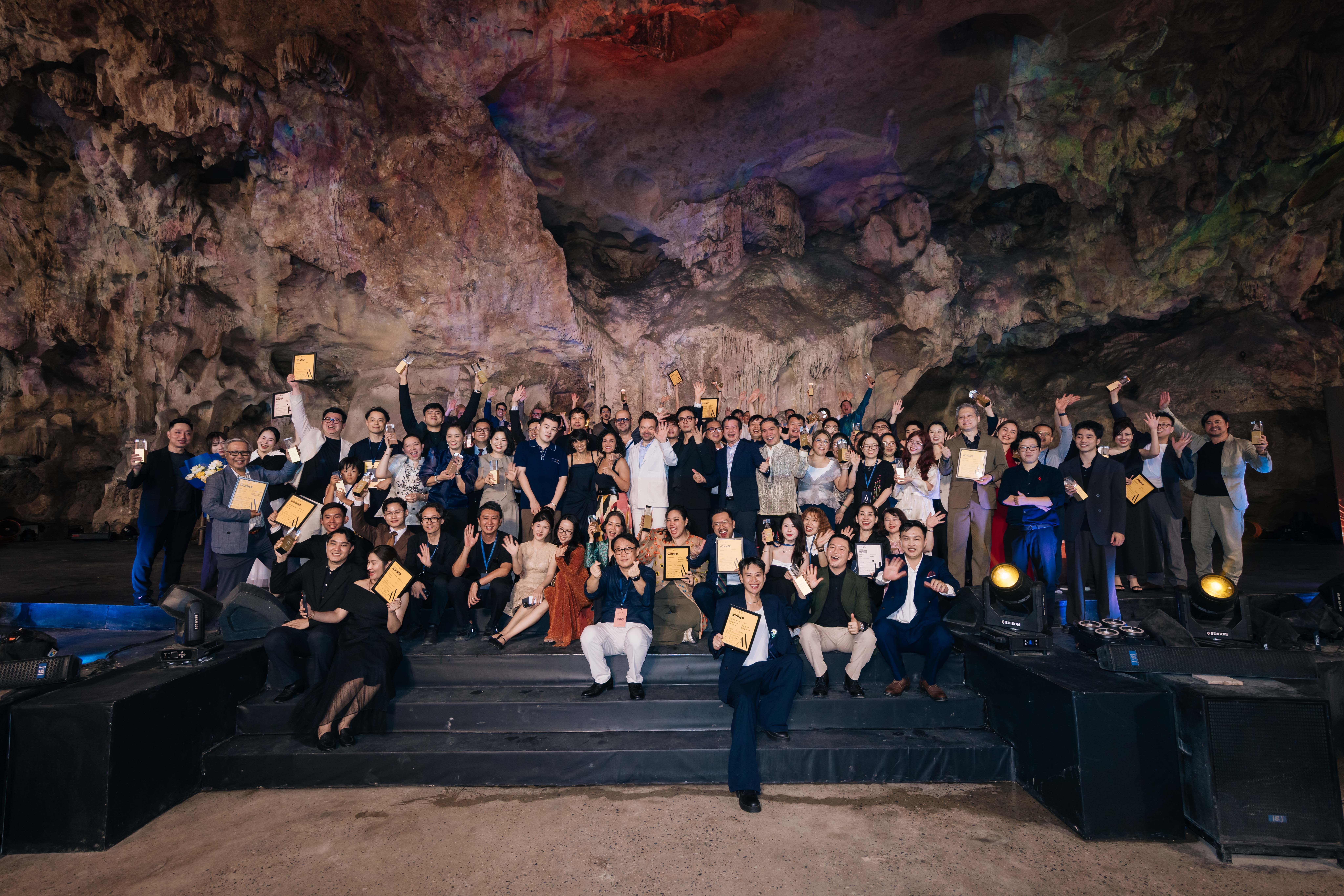
While Europe and North America have long histories of architectural competitions, Asia is increasingly embracing them as a way to shape its rapidly urbanizing landscapes. The Asia Architecture Design Awards (AADA) stands as a recent and influential platform, recognizing works that embody innovation, cultural sensitivity, and future-oriented design. More than just accolades, such awards help raise visibility for regional projects, placing them within a global conversation while celebrating local contexts.
The winner night of Asia Architecture Design Awards
Source: Asia Architecture Design Awards
In cities like Singapore, Seoul, and Shanghai, competitions have led to projects that fuse tradition with forward-thinking solutions. For example, Marina Bay Sands in Singapore, born out of an international design competition, has become not just a landmark but a symbol of the nation’s global ambition.
Marina Bay Sands
Source: SafdieArchitects
Competitions and Civic Identity
Beyond technical solutions, competitions often become vehicles for articulating national or civic identity. The Vietnam National Assembly House in Hanoi, chosen through a design competition, demonstrates how contemporary architecture can embody the traditions of a nation while addressing modern governance. Similarly, the Library of Birmingham competition in the UK delivered more than a striking design; it gave the city a renewed sense of civic pride and became a new democratic landmark.
These examples remind us that competitions are not just about selecting an architect - they are about negotiating meaning, memory, and collective belonging.
Vietnam National Assembly House
Source: gmp Architects
Library of Birmingham
Source: Thomas Guignard
A Balancing Act: Vision and Realization
Competitions also raise important questions: How do radical design ideas reconcile with feasibility, budgets, and long-term adaptability? For every realized competition-winning project, there are others that falter due to political shifts, financial limitations, or technical challenges. Yet, this tension between vision and execution is part of what makes competitions so vital - they encourage imagination while forcing dialogue between ambition and pragmatism.
Lessons for the Future
+ Inclusivity of voices: Competitions allow younger, lesser-known practices to stand beside established firms.
+ Civic engagement: They open public discussions about the kind of city people want to inhabit.
+ Global-local balance: Competitions highlight how global design excellence can adapt to regional cultural and environmental contexts.
+ Experimentation: They give space for ideas that may later influence broader architectural practice, even if unbuilt.
Conclusion
From the Sydney Opera House to the Asia Architecture Design Awards, architectural competitions have proven to be more than platforms for selecting designs - they are engines of cultural identity, innovation, and civic dialogue. As cities across the world grapple with the challenges of climate change, rapid urbanization, and social inequality, the role of competitions will only become more critical. They remind us that architecture, at its best, is not just about form, but about shaping collective futures.
Save this story. A free account keeps your reading list and the 07:00 email in one place.
CREATE FREE ACCOUNT →SIGN IN