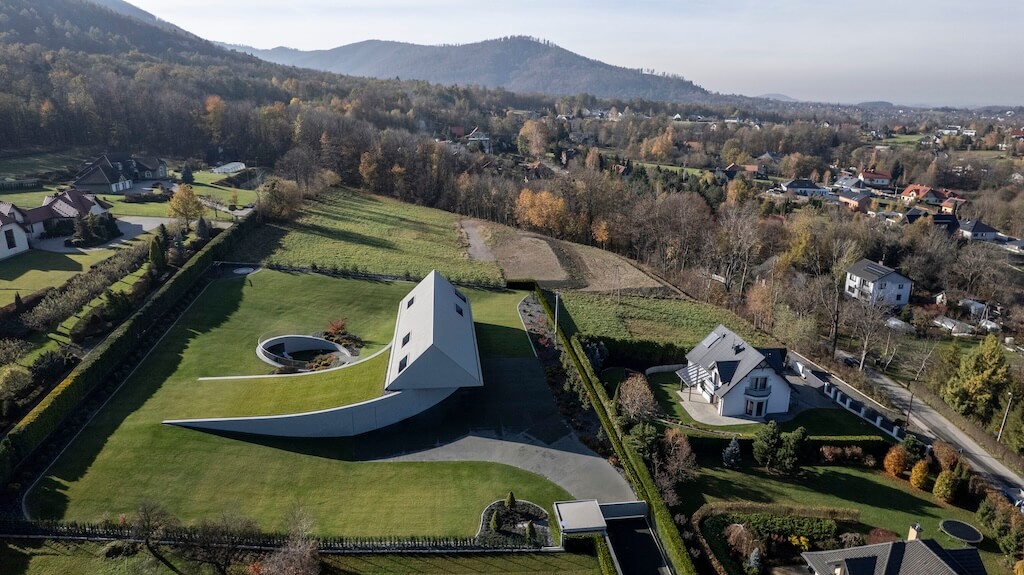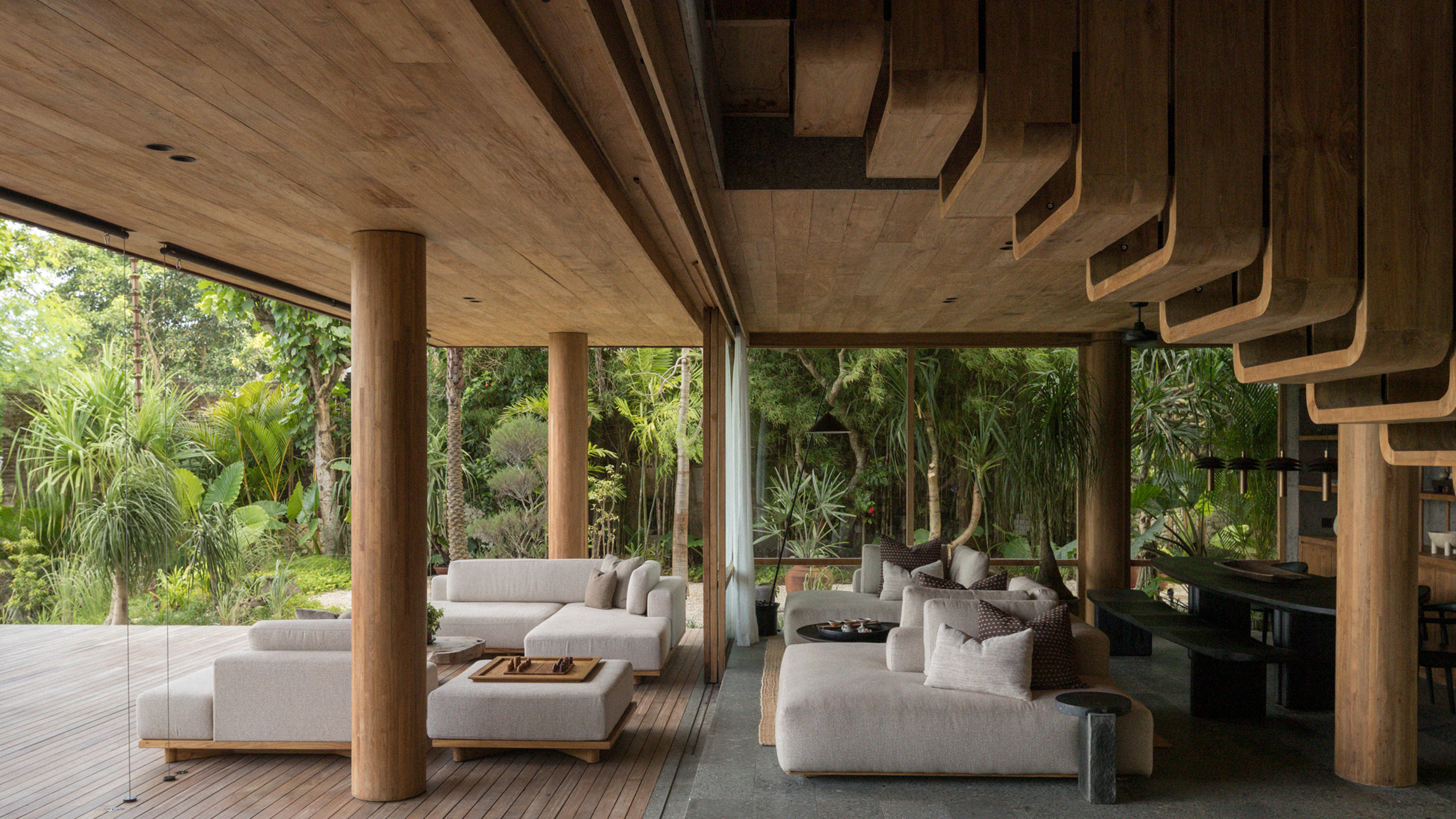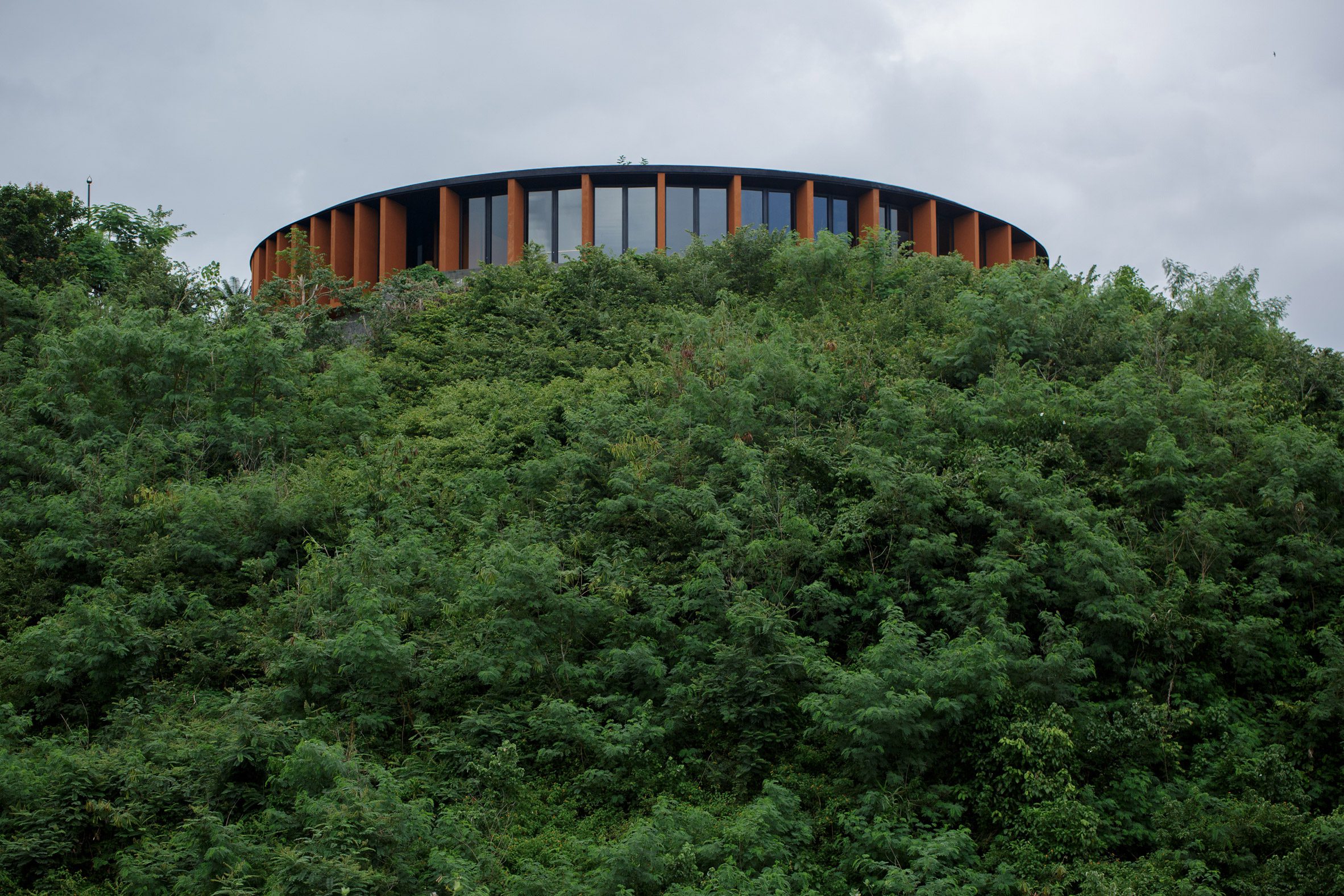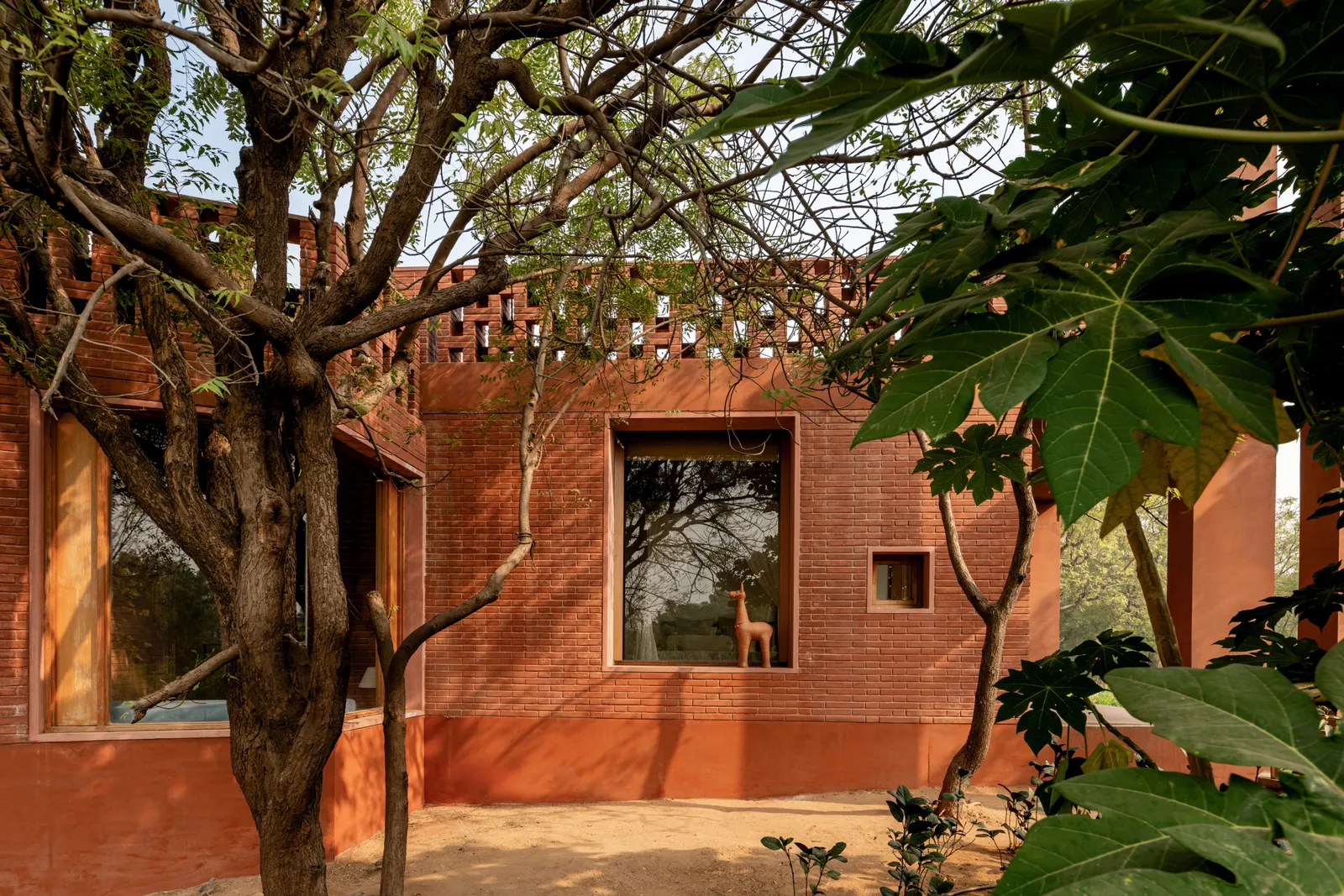
Terracotta isn’t just a building material - it’s a mood, a palette, and a way to connect architecture to nature. Its warm, earthy tones evoke a sense of timelessness while creating spaces that feel both grounded and luminous. From sculpted walls to textured tiles, terracotta adds tactile richness and depth, enhancing the play of light and shadow throughout a home. These seven residences showcase how architects around the world are harnessing terracotta to craft homes that are not only visually striking but also harmoniously connected to their landscapes, climates, and cultural contexts.
1. Terracotta Breath - Live Out Studio (Vietnam)
Tucked into a narrow alley in Da Nang City, Terracotta Breath by Live Out Studio is a poetic celebration of earth and light. Its signature terracotta façade - a carefully crafted, perforated brick skin - gently filters sunlight and channels sea breezes, giving the house a “breathing” quality. Hand‑laid bricks pivot to control airflow, while the warm, clay‑toned palette of brick, bamboo, wood, and clay render grounds the home in local craft traditions. At its heart lies a planted courtyard, framed by this porous masonry, pulling nature inward and quietly weaving two generations into one harmonious dwelling.

A porous brick façade filters light and breeze, giving the narrow home its distinctive breathing skin

Timber surfaces and terracotta tones create a grounded serenity within the minimalist interiors
Photo Credit: Live Out Studio
2. Weekend Home - AD100 Studio Sangath (India)
This climate-conscious weekend home in Gujarat is a serene haven, enveloped in earthy terracotta tones that blend seamlessly with its natural surroundings. Designed for reflection, the residence features sun-warmed walls and shaded courtyards that balance privacy with openness. Terracotta tiles and brickwork are paired with minimalist forms, creating a meditative rhythm between architecture and landscape. Open-air corridors and courtyards allow light to dance across surfaces, while earthy textures inside create a calm, grounded atmosphere, ideal for rest, contemplation, and reconnection with nature.

Terracotta-clad courtyards and walls form layered, sun-drenched outdoor rooms

Warm clay tones and terracotta tiles unify spaces, creating a soothing, grounded atmosphere
Photo Credit: Vinay Panjwani
3. Burnt Earth Beach House - Wardle (Australia)
Wardle’s Burnt Earth Beach House employs deep terracotta cladding to harmonize with coastal sands. The structure’s rich, earthen facade contrasts beautifully with the ocean’s blues while reflecting the warmth of sunlight. Inside, textured terracotta surfaces, natural timber, and open spaces cultivate a relaxed, tactile living experience. Large, shaded verandas extend the home into the landscape, creating indoor-outdoor flow. The earthy tones not only anchor the home visually but also enhance passive cooling, making the beach house both functional and intimately connected to its environment.

Sunlight warms the burnt terracotta facade, creating a glowing, inviting exterior
Terracotta floors and feature walls enhance tactile warmth, reflecting natural light throughout the house
Photo Credit: Trevor Mein
4. Gaia Residence - Ateno Architecture Studio (Greece)
Perched between mountain and sea, Gaia Residence uses terracotta as a defining material. Its fluted terracotta walls capture the warm Mediterranean light, creating a luminous interplay of shadow and texture. The residence blends seamlessly with the rocky terrain while maintaining a sense of sculptural elegance. Open spaces and patios framed with terracotta allow the landscape to flow through the home. Inside, natural clay hues evoke calmness and timelessness, reinforcing the home’s dialogue with the island’s traditional architecture, yet with a contemporary, minimalist touch.

Terracotta walls undulate with the hillside, echoing the contours of the terrain

Terracotta tones extend indoors, harmonizing with open patios and Mediterranean views
Photo Credit: Yiorgis Yerolymbos
5. Casa VIMA - Grizzo Studio (Argentina)
Casa VIMA integrates live trees within its terracotta envelope, creating a living harmony between nature and architecture. The L-shaped structure uses dark terracotta tones to highlight entrances and terraces, complementing the garden and surrounding environment. Interiors feature varied ceiling heights and open galleries, allowing light to interact dynamically with earthy walls. Terracotta tiles, combined with wooden accents, provide warmth and sophistication, while terraces and bridges enhance connectivity between indoor and outdoor spaces, celebrating a tactile, fluid relationship with nature.

Dark terracotta envelopes and terraces integrate greenery, defining the home’s earthy character

Terracotta floors and textured walls create continuity, connecting interiors with outdoor landscapes
Photo Credit: Grizzo Studio
6. Casa Gaia - Bobotis+Bobotis Architects (Greece)
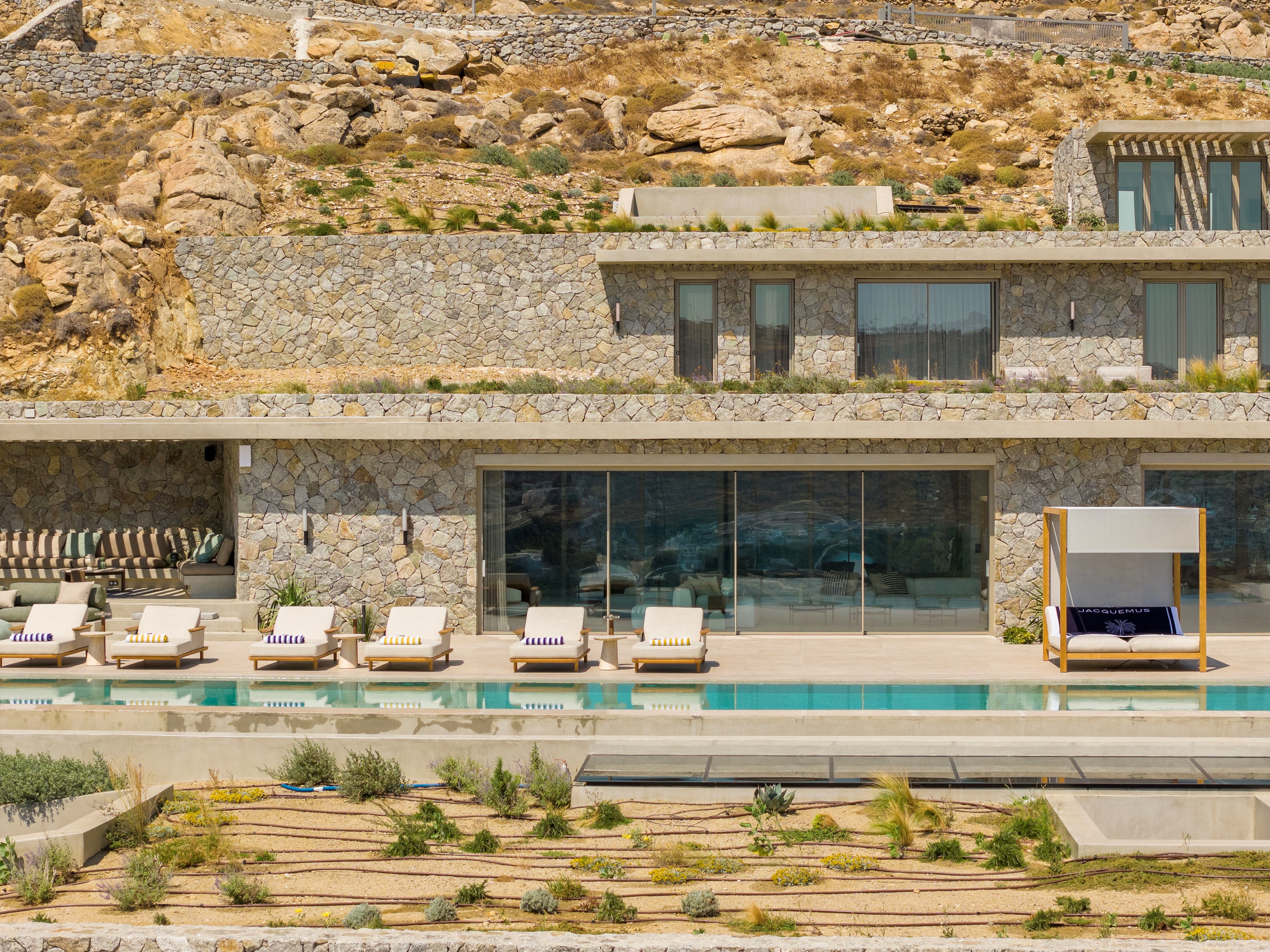
This cliffside Mykonos villa showcases terracotta tiles that echo the surrounding landscape, blending tradition with luxury. The warm, sun-kissed surfaces create a sense of continuity with the rocky coastline. Large terraces open toward the sea, framed by terracotta-clad walls that provide privacy while capturing light and shadow. Interiors carry the same earthen palette, combining textured walls with minimalist furnishings. The villa’s design emphasizes a tactile connection to the land, offering a serene coastal retreat where terracotta not only defines structure but shapes experience.

Terracotta tiles and walls echo the surrounding cliffs, capturing warm coastal sunlight

Textured terracotta surfaces complement minimalist interiors, enhancing depth and tactile richness
Photo Credit: Bobotis+Bobotis Architects
7. Stoic Wall Residence - LIJO RENY Architects (India)
In Kerala, the Stoic Wall Residence uses fluted terracotta blocks to sculpt privacy and form. The textured facade provides rhythmic shadowing throughout the day, highlighting terracotta’s versatility. Interiors echo the warm tones, with open courtyards and natural light enhancing the earthy palette. Terracotta walls create an intimate yet airy environment, connecting the home to its tropical context. This residence demonstrates how terracotta can be both functional and poetic, harmonizing ventilation, light, and materiality into a modern interpretation of vernacular architecture.

Layered terracotta walls create a tactile, earthen boundary between home and garden

Fluted terracotta blocks form a sculptural facade, casting rhythmic shadows throughout the day
Photo Credit: Turtle Arts Photography
From the sun-drenched coasts of Mykonos to serene Indian retreats, these seven homes prove that terracotta is more than a color - it’s a storytelling medium, a bridge between earth and architecture. Its warm tones, texture, and versatility allow designers to craft spaces that feel timeless, grounded, and intimately connected to their surroundings. Whether sculpting light and shadow, enhancing tactile experiences, or harmonizing with local landscapes, terracotta continues to inspire architecture that resonates with warmth, culture, and a profound sense of place.
Save this story. A free account keeps your reading list and the 07:00 email in one place.
CREATE FREE ACCOUNT →SIGN IN