In a world increasingly defined by smart technologies that tune themselves to our needs, lighting is no longer static - it’s becoming responsive, adaptive, and deeply aligned with the rhythms of human life. Emerging technologies in adaptive and circadian lighting design are ushering in a new era where lighting systems automatically adjust color temperature, intensity, and behavior to support wellbeing, comfort, and performance. Across classrooms, workplaces, healthcare facilities, and hospitality spaces, real-world applications now demonstrate how intelligently tailored light can enhance human experience.
From Static Illumination to Dynamic Interaction
Traditional lighting has historically aimed at providing visibility or enhancing décor. Today’s adaptive lighting systems go far beyond that: equipped with sensors, networked controls, and smart algorithms, they continuously tailor light in real time, responding to time of day, occupancy, daylight availability, and even human activity patterns. The result is not merely illumination, but interaction: spaces that anticipate and adapt to our needs.
At the core of this shift is an understanding of circadian biology - the body’s internal clock that governs sleep-wake cycles, mood, cognitive performance, and hormonal regulation. Research shows that exposure to specific light spectrums and intensities at key times can amplify alertness in the morning and support relaxation in the evening. These insights fuel circadian lighting design, which aligns artificial light with natural daily rhythms to promote health and wellness.

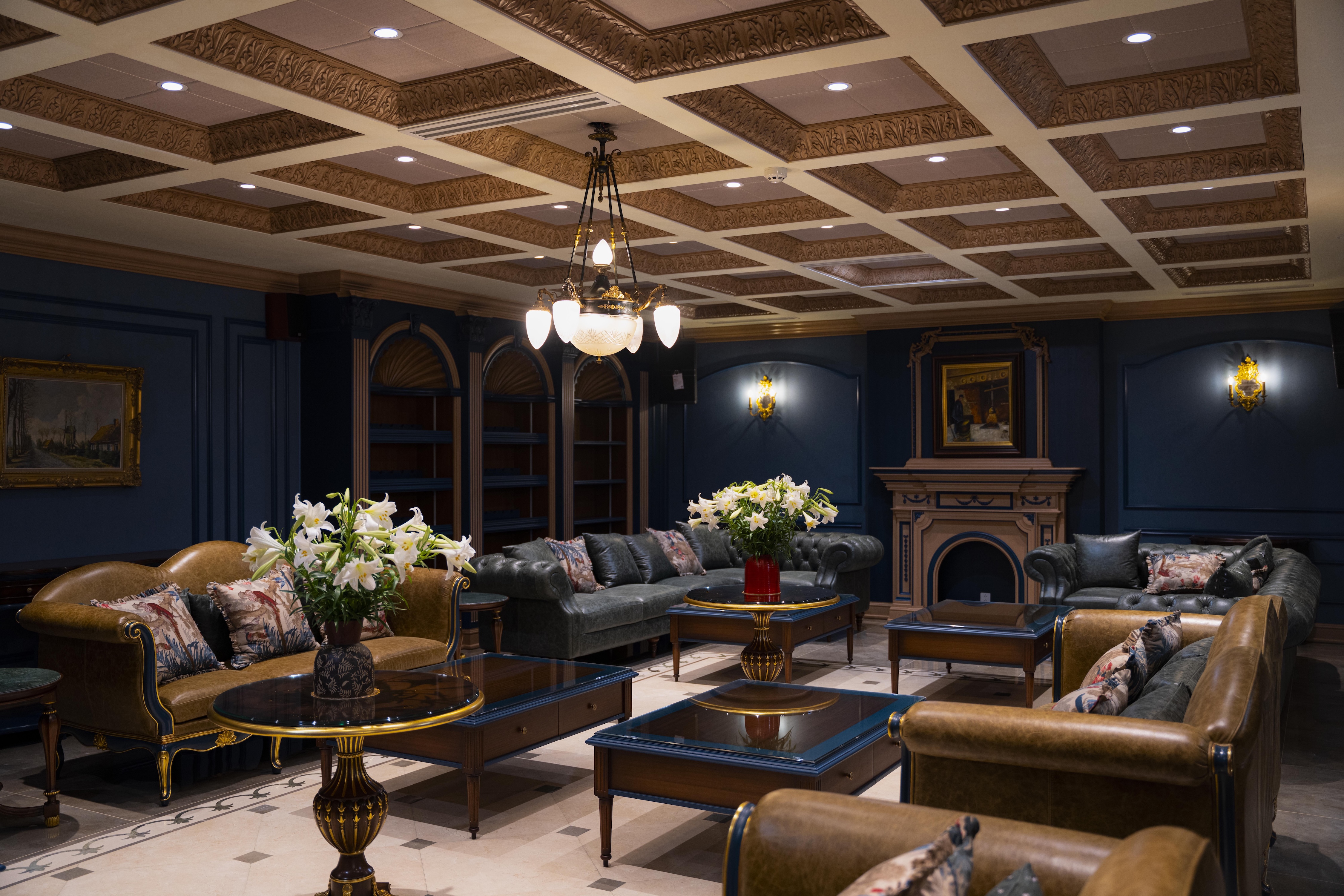
A softly lit interior transitioning from cool morning light to warm evening tones, illustrating the rhythm of circadian lighting over time
Photo Credit: Aqara
Real-world Examples of Adaptive Lighting in Action
Across the globe, designers and institutions are already implementing responsive lighting systems that illustrate this technology’s potential:
The Edge, Amsterdam
The Edge office building in Amsterdam is widely recognized as one of the world’s most intelligent buildings. Its lighting system uses a network of embedded sensors to track occupancy and daylight, automatically adjusting brightness and color settings throughout the day. Employees can further customize their lighting via mobile app controls. This responsiveness not only improves comfort and productivity but also contributes to dramatic energy savings, reportedly reducing lighting energy use by over 70%.

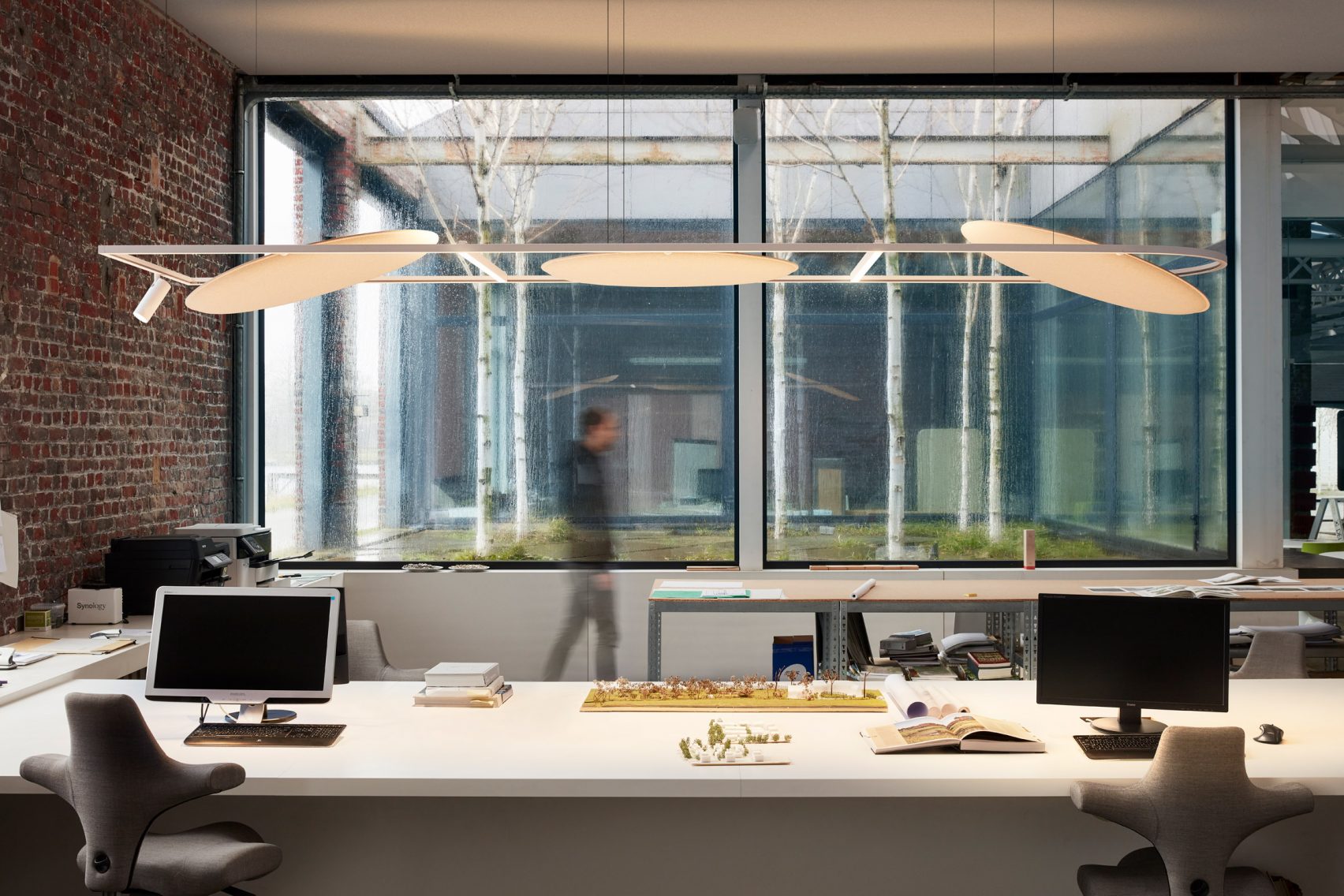
At The Edge, light adjusts in real time - enhancing comfort while dramatically reducing energy use
Photo Credit: Edge
Universitätsklinikum Hamburg-Eppendorf (UKE) Classrooms
In Germany, adaptive lighting was integrated into school classrooms with dynamic modes like “Calm,” “Activate,” and “Focus” to support different parts of the day. These shifts in light intensity and tone reportedly enhanced concentration and reading performance among students - an example of how responsive light can support cognitive function in educational environments.

Light as a learning tool: dynamic illumination designed to enhance concentration and reading performance
Photo Credit: UKE
Skanska Spark C Office, Warsaw
Skanska has installed human-centric lighting systems in its Warsaw office that automatically adjust to the natural progression of the day, helping align the indoor environment with occupants’ biological rhythms. Employees reported improved comfort and wellbeing through lighting that shifts in color and intensity in harmony with the sun’s patterns.

An office where light evolves with the sun, quietly shaping comfort, focus, and energy
Photo Credit: Skanska
Healthcare Settings with Circadian Support
Hospitals and healthcare environments are beginning to embrace circadian lighting for patient rooms and communal areas, aiming to mimic natural daylight cycles. Studies suggest patients in rooms with dynamic, natural-mimicking light may recover more quickly and experience reduced stress levels compared with static fluorescent lighting.

In hospitals, responsive lighting is becoming part of care, guiding the body toward healing through light
Photo Credit: ZGF
Supporting Wellness Through Light
Adaptive lighting systems do more than save energy; they support wellness at a physiological level. By automatically modulating color temperature from energizing cool light during morning hours to warmer, relaxing tones at dusk, these systems can help regulate melatonin production and synchronize sleep cycles. Such circadian alignment has been linked with improved sleep quality, mood stabilization, and enhanced daytime alertness.
In residential and commercial design, adaptive lighting can subtly reinforce daily routines: bright, cool lighting encouraging activity and focus; warmer, softer light easing transitions to rest. In hospitality, like wellness resorts, programmed lighting sequences that simulate sunrise and sunset help guests acclimate after long travel or irregular schedules.

A living space illuminated with warm evening light, signaling rest and slowing the pace of the day
Hampshire Light
Challenges and Opportunities Ahead
While adaptive lighting systems are becoming more prevalent, challenges remain - chief among them integration complexity, cost barriers, and the need for standardization. Yet advances in connected lighting technologies (such as IoT sensors, AI learning algorithms, and tunable LED fixtures) are progressively lowering these barriers, making adaptive systems more viable across building types.
As new metrics based on biological impact (like melanopic-photopic ratio) become part of design standards and as manufacturers continue to refine tunable light sources, adaptive lighting is poised to be not just an architectural trend, but a standard in human-centric design.
Toward Responsive, Human-centered Spaces
Adaptive and circadian lighting systems promise a future where lighting enhances not just visual comfort, but holistic wellbeing. By leveraging real-time data, biological insights, and responsive automation, these systems transform environments so that light works with our natural rhythms, rather than against them. From smart offices and schools to healthcare facilities and living spaces, the future of adaptive ambience is already casting its glow, and it’s one that aligns with the rhythms of human life.
Save this story. A free account keeps your reading list and the 07:00 email in one place.
CREATE FREE ACCOUNT →SIGN IN