When Crisis Becomes Method
There is a particular kind of knowledge that emerges only through the act of building. Not the abstracted understanding that comes from drawing or modeling, but the situated intelligence that arrives when your hands meet material, when budget confronts ambition, when community needs intersect with architectural possibility. For Taller General, this knowledge forms the bedrock of their practice.
Martín Real and Florencia Sobrero established their Quito studio in 2017, but the intellectual foundation arrived earlier. Following the 2016 earthquake that devastated Ecuador's coastal regions, both architects joined Actuemos Ecuador, one of several civil society responses mobilized in the disaster's aftermath. The work was urgent, immediate, and unforgiving. Architectural decisions had to account for whatever materials could be sourced, whatever skills were locally available, whatever budgets communities could marshal. Theory met reality at the construction site, and the encounter was transformative.
What might have remained a temporary emergency response instead became a methodology. The constraints of post-disaster building, where scarcity demands inventiveness and collaboration replaces hierarchy, revealed an alternative to conventional practice. At World Archi Design, we've observed how crisis often catalyzes architectural innovation, but Taller General's trajectory suggests something more deliberate: the conversion of emergency conditions into an ongoing ethos.
Rehabilitation as Research
The studio's portfolio spans housing interventions, exhibition design, community infrastructure, and adaptive reuse projects. Surface diversity conceals structural consistency. Whether working on a dining hall for a rural community or rehabilitating urban housing, Taller General employs a process that privileges the existing over the new, the collective over the individual, the incremental over the comprehensive.
This approach demands a different kind of architectural intelligence. Rather than arriving with predetermined formal solutions, the studio begins by mapping what is already present: existing structures, available materials, local construction knowledge, community networks, spatial practices already embedded in a site. Design emerges from synthesis rather than imposition.
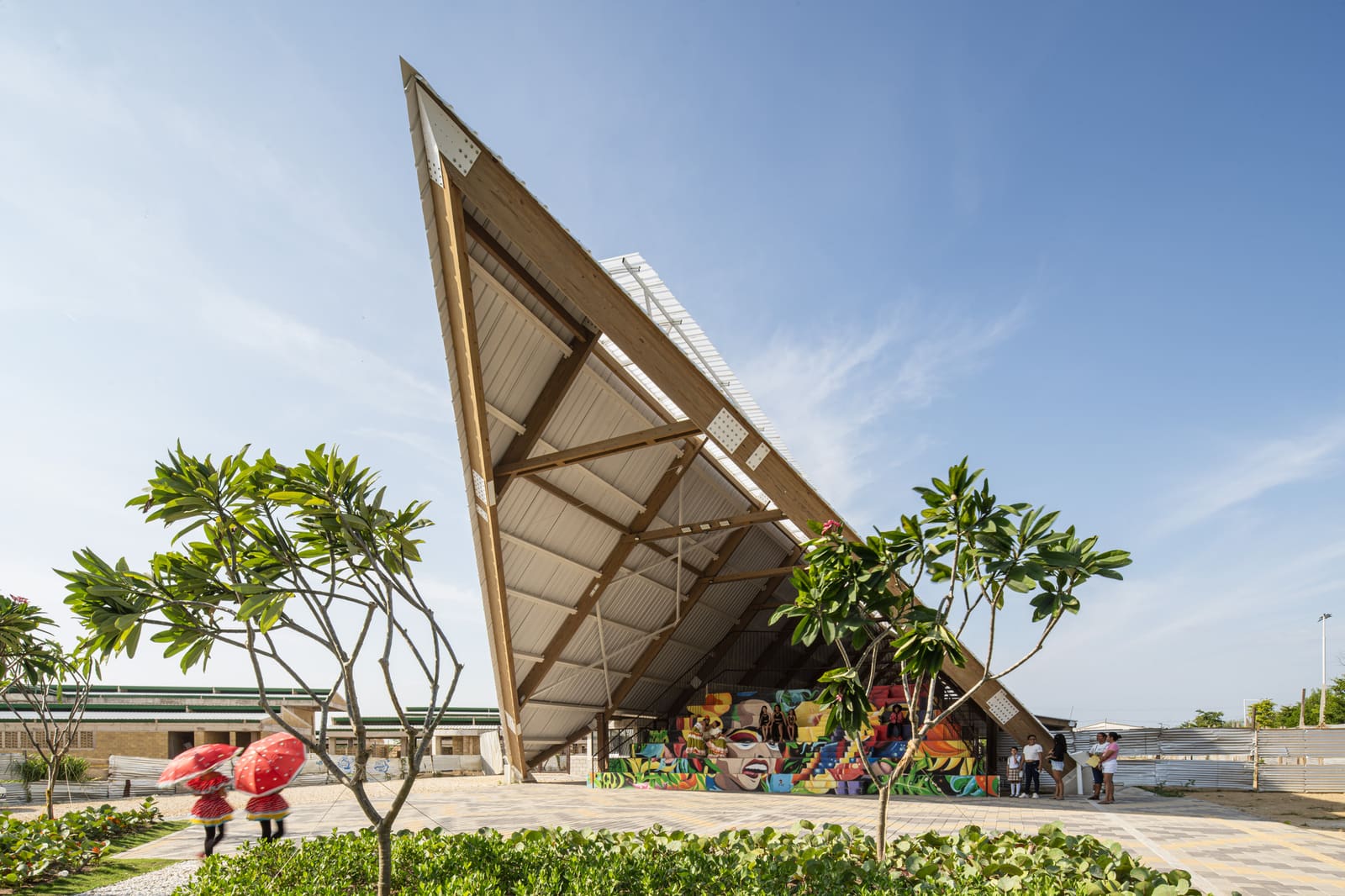
Consider the studio's work on community dining facilities, where the program itself dissolves boundaries between architecture and social infrastructure. These projects function less as discrete buildings and more as spatial catalysts, creating conditions for collective activity while remaining open to appropriation and modification. The architecture establishes a framework but refuses to dictate use.
The Expanded Field of Authorship
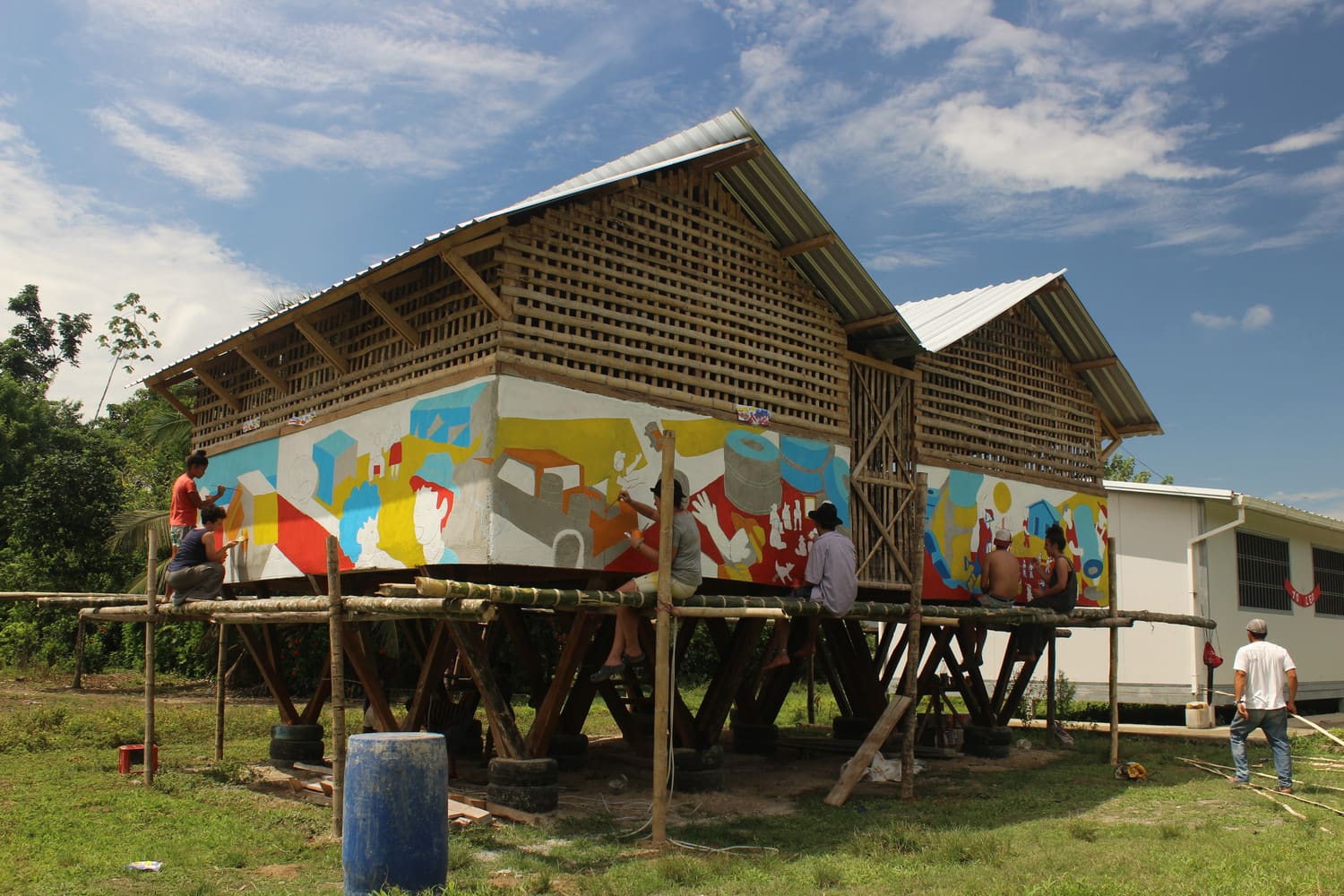
Conventional architectural practice maintains clear distinctions: the architect designs, the contractor builds, the client occupies. Taller General's working method deliberately blurs these categories. Their projects regularly involve builders as design collaborators, students as research partners, community members as spatial experts, craftspeople as material consultants.
This expanded authorship is not merely ideological posturing. It reflects a pragmatic recognition that architectural knowledge is distributed across many forms of expertise. A local mason understands regional material behavior in ways no imported specification can capture. A community organization knows patterns of use that no amount of observation will reveal. A craftsperson possesses tacit knowledge about joinery, weathering, and durability that exists outside formal documentation.
By structuring projects to incorporate these diverse intelligences, Taller General produces architecture that is simultaneously more contextual and more experimental. The work responds to specific conditions while remaining open to improvisation, grounded in place while testing new spatial and material configurations.
Material Memory and Tectonic Honesty
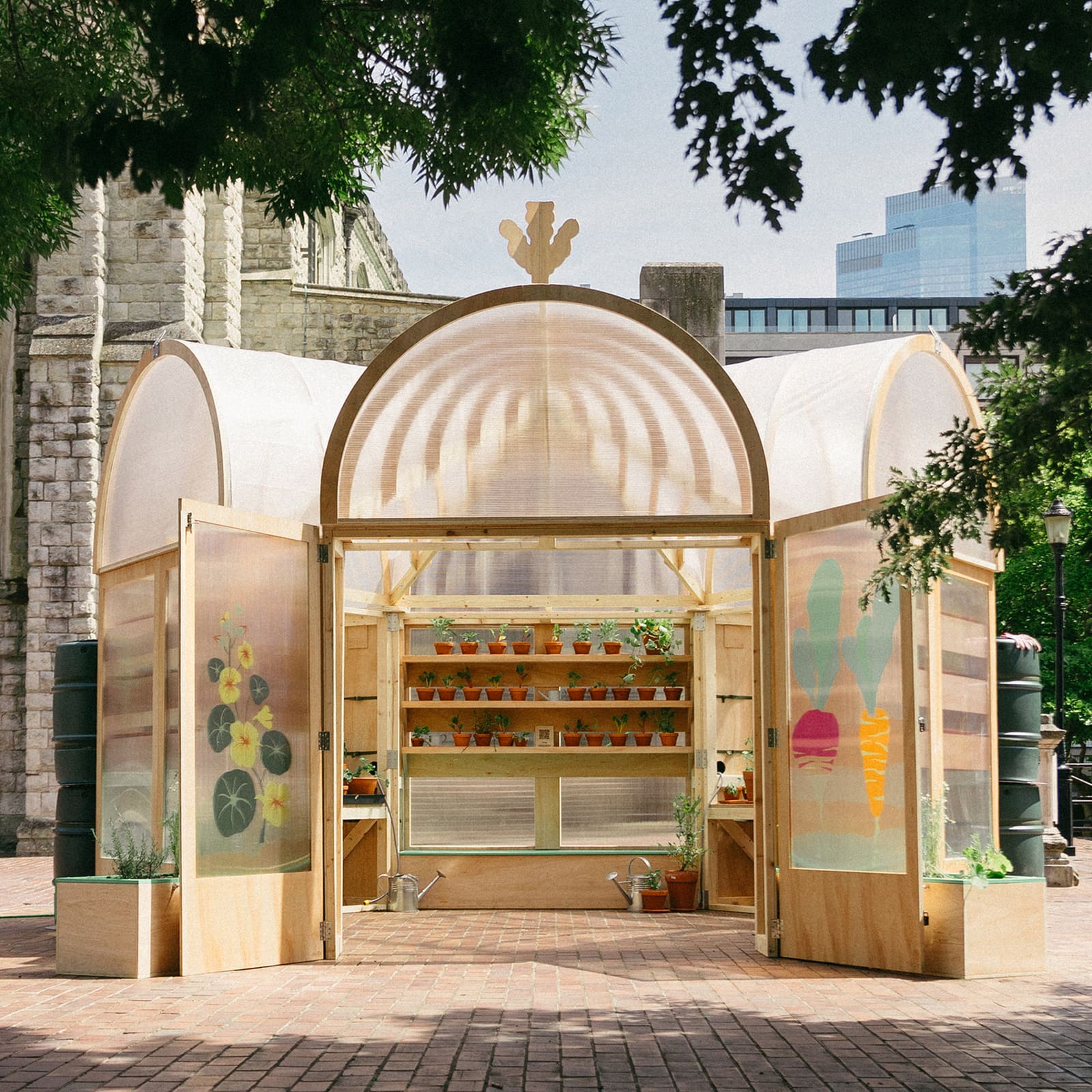
The studio's material palette reflects their commitment to working with what exists. Reclaimed timber, locally fired brick, salvaged metal, indigenous construction techniques, these elements appear not as aesthetic gestures toward rusticity but as genuine engagements with resource availability and cultural continuity.
There is a tectonic honesty to this work that distinguishes it from the more superficial applications of "local materials" common in contemporary sustainable design rhetoric. Taller General's buildings reveal their construction logic, acknowledge their assembly process, and remain open to future modification. Walls can be extended, roofs adapted, spaces reconfigured. The architecture anticipates change rather than resisting it.
This approach echoes earlier experiments in incremental housing, from John Turner's work in Lima to Alejandro Aravena's half-houses at Quinta Monroy, but with a crucial difference. Where those projects focused primarily on affordability and expandability, Taller General's work incorporates a broader ecological and cultural dimension. Materials carry histories, construction methods preserve knowledge, spatial organizations reflect existing social patterns.
Beyond the Heroic Object
The projects that emerge from this process resist the photogenic completeness that dominates contemporary architectural media. They are often unfinished, visibly collaborative, marked by the evidence of multiple hands and evolving intentions. This aesthetic incompleteness is not a flaw but a feature, signaling the work's openness to ongoing participation and adaptation.
In an architectural culture still largely organized around singular authorship and iconic objects, Taller General's practice suggests an alternative model. Their work points toward an architecture of stewardship rather than authorship, of facilitation rather than determination, of process rather than product.
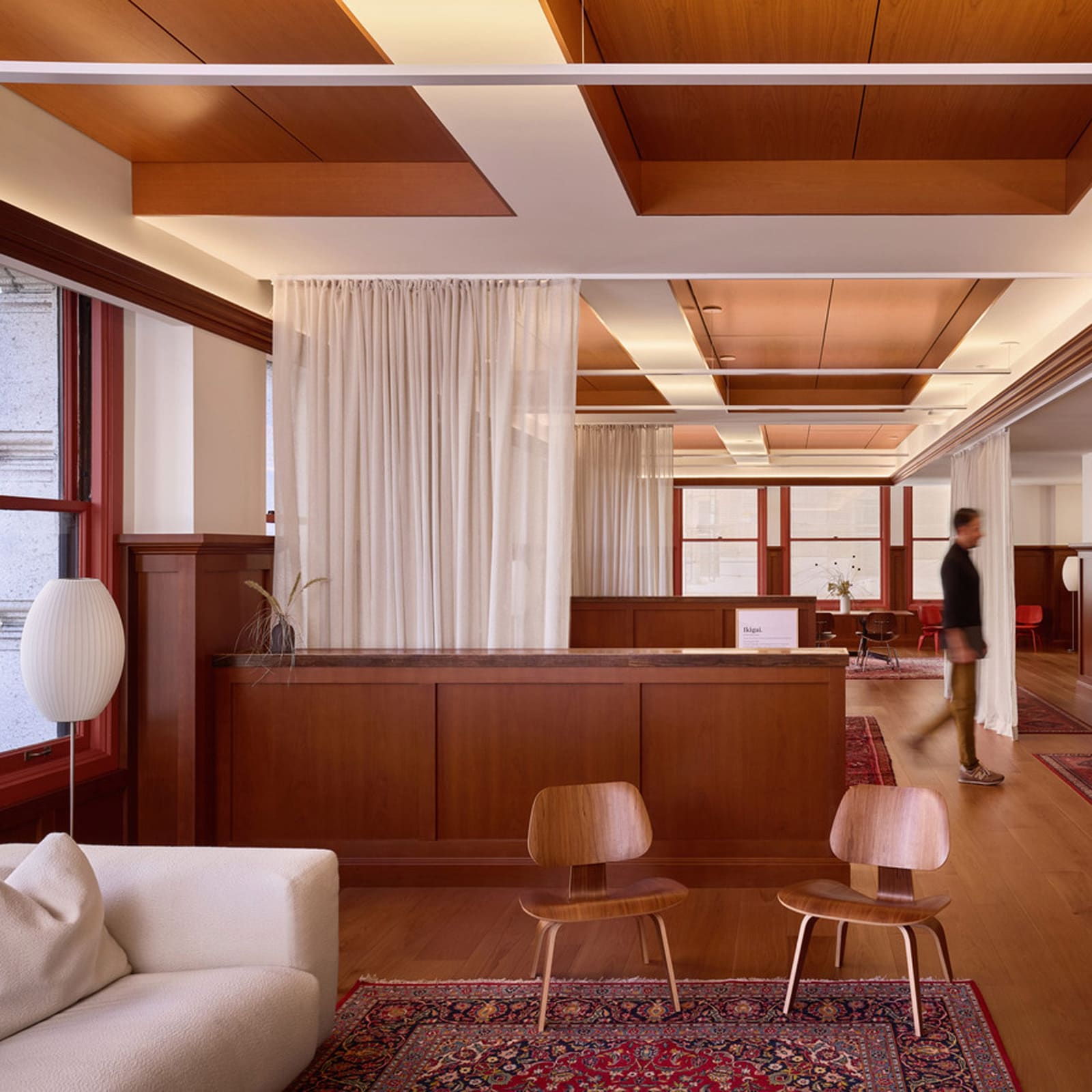
This is not to claim their work is without formal sophistication. The studio demonstrates a refined understanding of proportion, light, material texture, and spatial sequence. But these architectural qualities serve larger ambitions about how buildings might foster collective agency, preserve cultural knowledge, and respond to genuine resource constraints.
The Politics of Making
There is an implicit political dimension to Taller General's methodology, though it manifests through practice rather than rhetoric. By centering construction knowledge, valuing existing resources, and distributing authorship, the studio challenges the extractive logic that often characterizes architectural production, where materials, labor, and ideas are imported from elsewhere, assembled according to external expertise, and maintained through ongoing dependency.
Their approach instead cultivates local capacity, preserves situated knowledge, and creates infrastructure that communities can maintain and modify independently. The architecture becomes a vehicle for skill transfer, knowledge preservation, and collective empowerment, not merely shelter or aesthetic experience.
This political dimension extends to the studio's relationship with architectural discourse itself. By foregrounding collaboration, materiality, and process over singular vision and formal innovation, Taller General implicitly questions what architectural culture values and how those values are reproduced through education, publication, and professional recognition.
Toward a Practice of Care
What distinguishes Taller General's work from other participatory or community-engaged practices is the integration of rigor and openness. The projects are neither formally indeterminate community workshops nor top-down designs with token participation. They represent a genuine synthesis, where architectural expertise and community knowledge mutually inform outcomes.
This requires a different kind of professional identity, one that values facilitation as much as design, that sees incompleteness as possibility rather than failure, that measures success through collective capacity rather than individual recognition. It is a practice of care, in the fullest sense: attentive to context, responsive to need, committed to long-term flourishing rather than immediate spectacle.
As resource constraints intensify globally and the social failures of heroic modernism become ever more apparent, practices like Taller General's offer instructive models. They demonstrate that architectural quality need not depend on unlimited budgets or pristine sites, that collaboration can produce spatial and material sophistication, that buildings can be both culturally specific and formally inventive.
The question is whether architectural education and professional structures can adapt to recognize and support such work, or whether it will remain marginal to a discipline still largely oriented toward individual authorship and iconic production. For now, from their base in Quito, Taller General continues building, one collaborative project at a time, assembling an architecture from what remains.
Save this story. A free account keeps your reading list and the 07:00 email in one place.
CREATE FREE ACCOUNT →SIGN IN