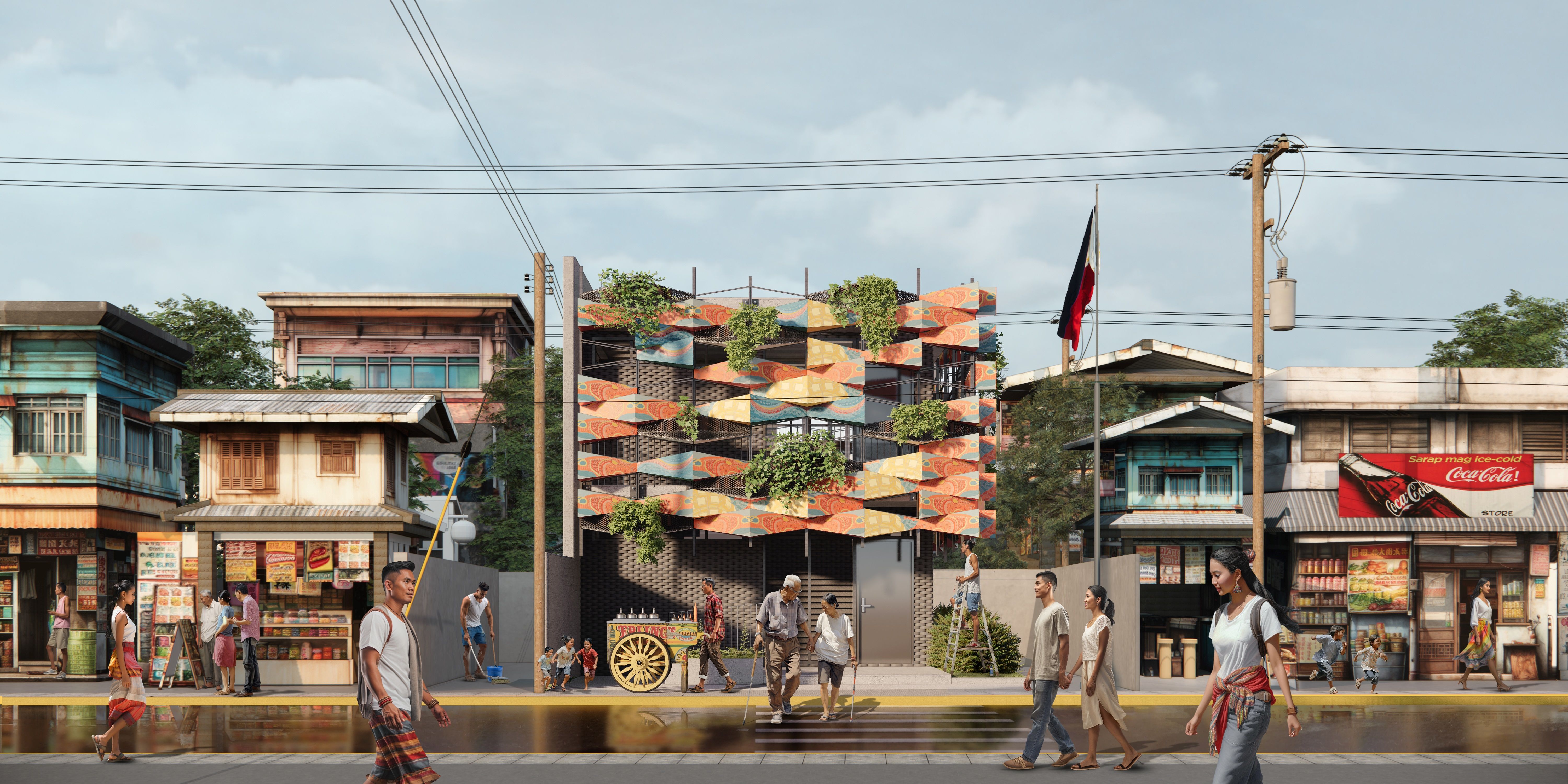
The Need for Circularity
The traditional construction industry is a significant consumer of resources and a major contributor to waste. Circular architecture offers a paradigm shift, aiming to close the loop by viewing buildings and their components as valuable material banks. This necessitates a fundamental change in how we design, construct, and ultimately deconstruct buildings, prioritizing the reuse and recycling of materials to reduce environmental impact.
Design for Disassembly (DfD)
A cornerstone of circular architecture is Design for Disassembly (DfD). This involves intentionally designing buildings and their connections in a way that allows for easy separation of components at the end of their useful life. This can be achieved through the use of mechanical fasteners instead of permanent adhesives, modular construction techniques, and clear labeling of materials. DfD ensures that building elements can be dismantled without damage, facilitating their reuse in new construction projects or their efficient recycling.

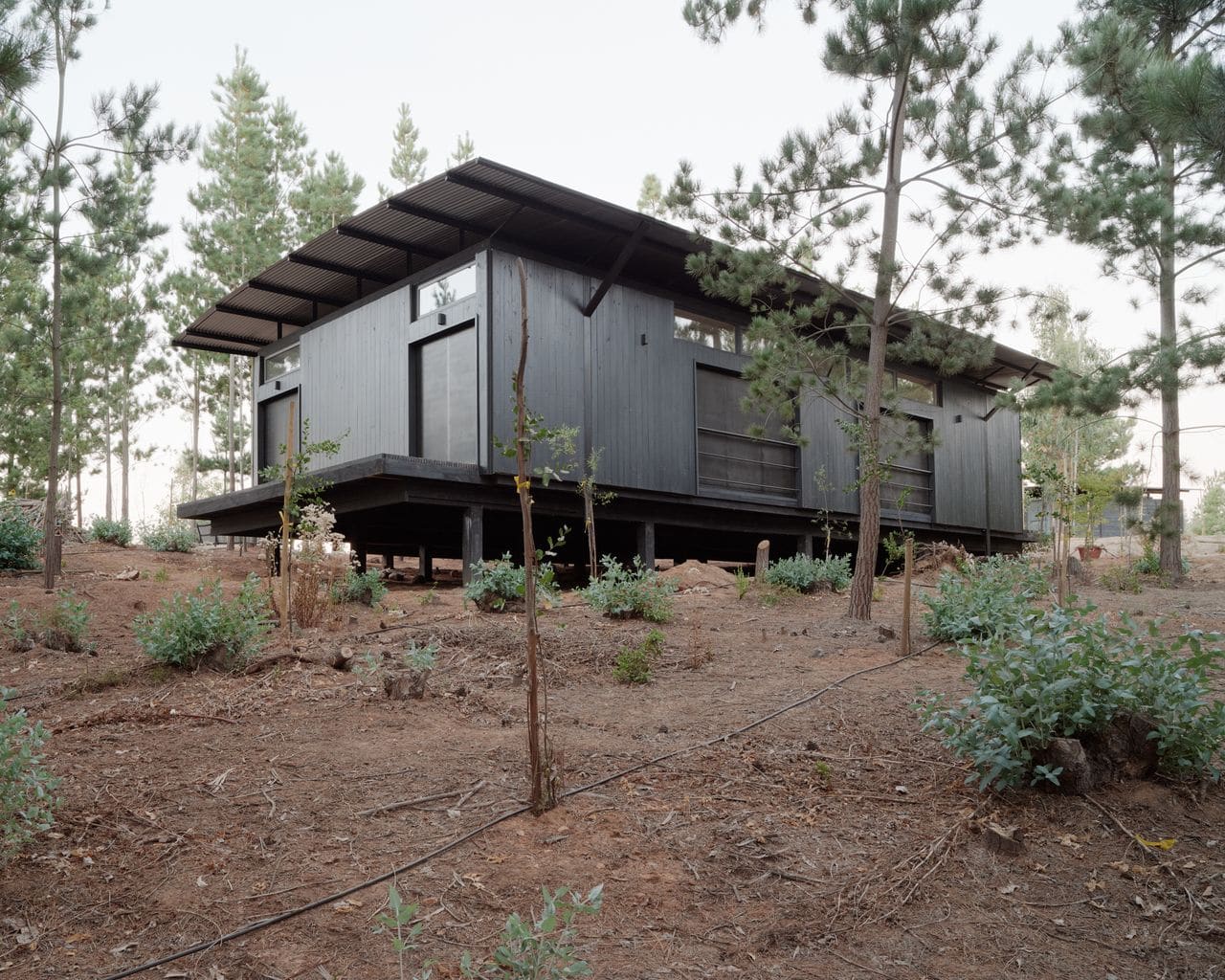
Winner of 2025 Asia Architecture Design Awards (AADA) - Savanna Villas (by Qreator Architectural Studio)
Material Selection and Reuse
Circular architecture places a strong emphasis on selecting durable, non-toxic materials with high potential for reuse or recycling. Utilizing reclaimed and recycled materials not only reduces the demand for virgin resources but also imbues projects with a unique character and embodied history. Architects are increasingly exploring innovative ways to repurpose materials from deconstructed buildings, giving them a new lease on life and minimizing landfill waste.
Benefits of a Circular Approach
Adopting circular architecture principles offers numerous benefits. Environmentally, it reduces resource depletion, minimizes waste generation, and lowers the carbon footprint associated with material production and transportation. Economically, it can create new markets for reclaimed materials and skilled labor in deconstruction and refurbishment. Socially, it fosters a more responsible and sustainable approach to building, contributing to a more resilient and resource-efficient built environment.
While still in its early stages, circular architecture is gaining momentum globally. Examples range from buildings designed with easily demountable facades and structural systems to the creative reuse of shipping containers and other discarded materials. Innovations in material technology are also playing a crucial role, with the development of biodegradable building materials and advanced recycling techniques further supporting the circular economy in construction.

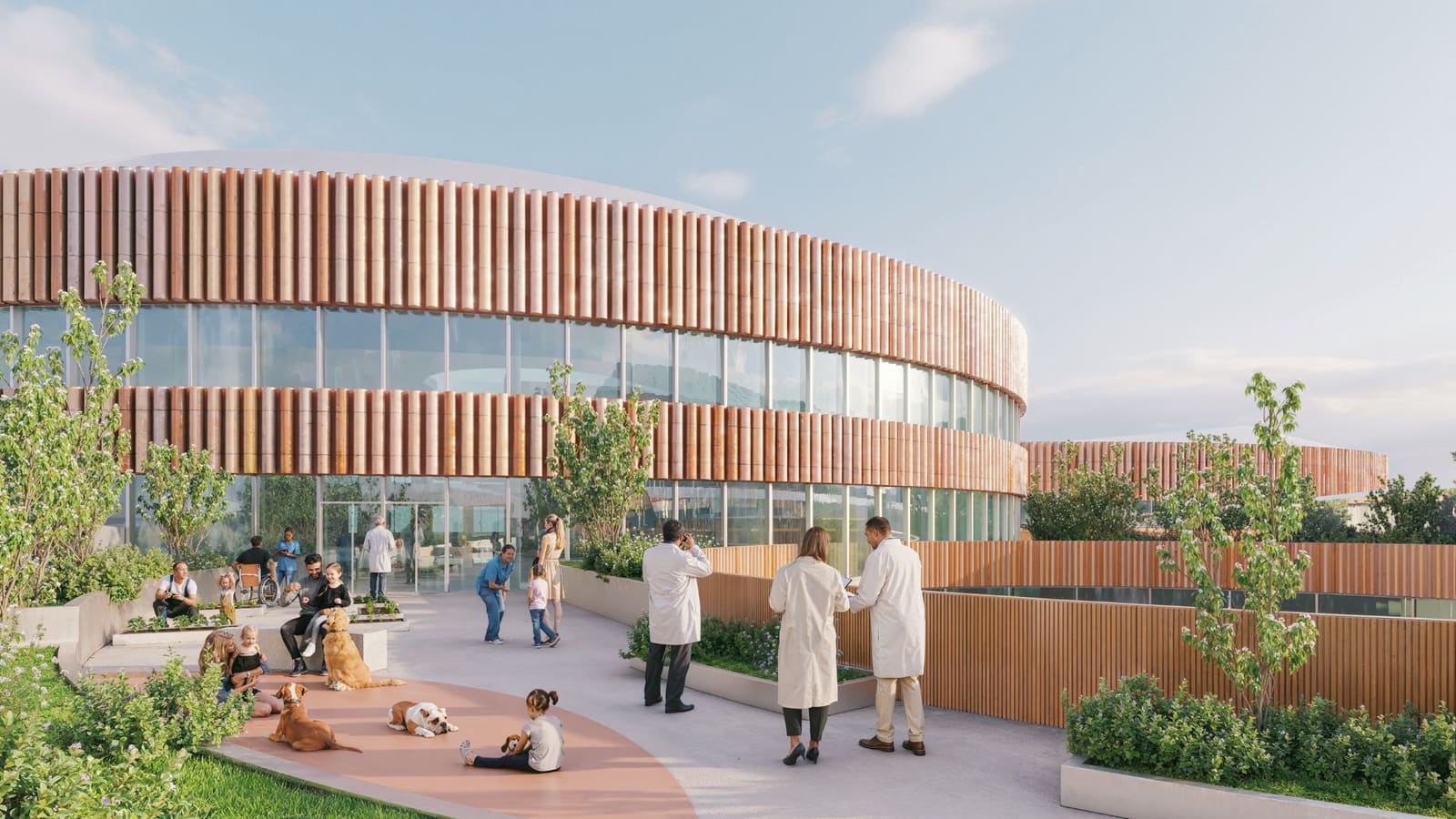
Winner of 2025 Asia Architecture Design Awards (AADA) - Sanna Ubud A Pramana Experience Landscape (by SHL Asia)
Challenges and Opportunities
The widespread adoption of circular architecture faces challenges such as established industry practices, building codes that may not fully accommodate reused materials, and the need for greater collaboration across the building value chain. However, these challenges also present significant opportunities for innovation, research, and the development of new standards and regulations that support a more circular built environment. By embracing the principles of designing for disassembly and material reuse, the architecture and design community can pave the way for a more sustainable and resource-conscious future for the built world.
Save this story. A free account keeps your reading list and the 07:00 email in one place.
CREATE FREE ACCOUNT →SIGN IN