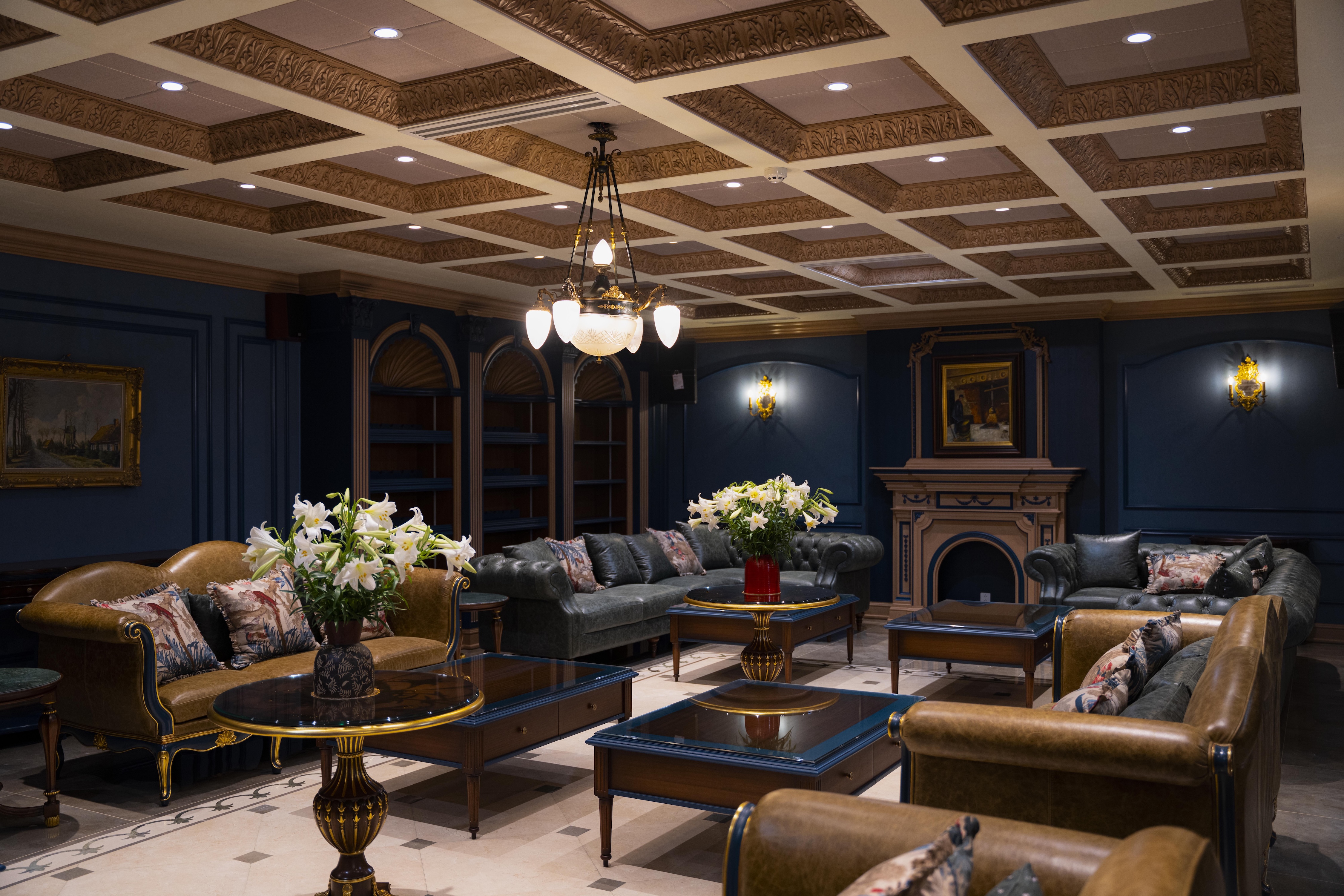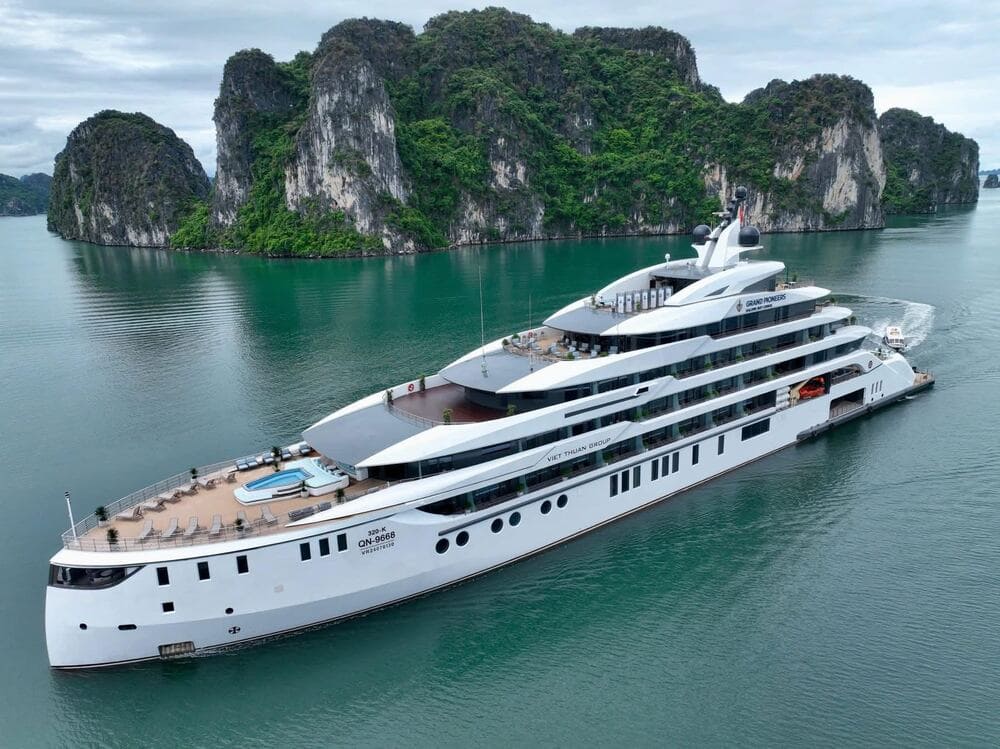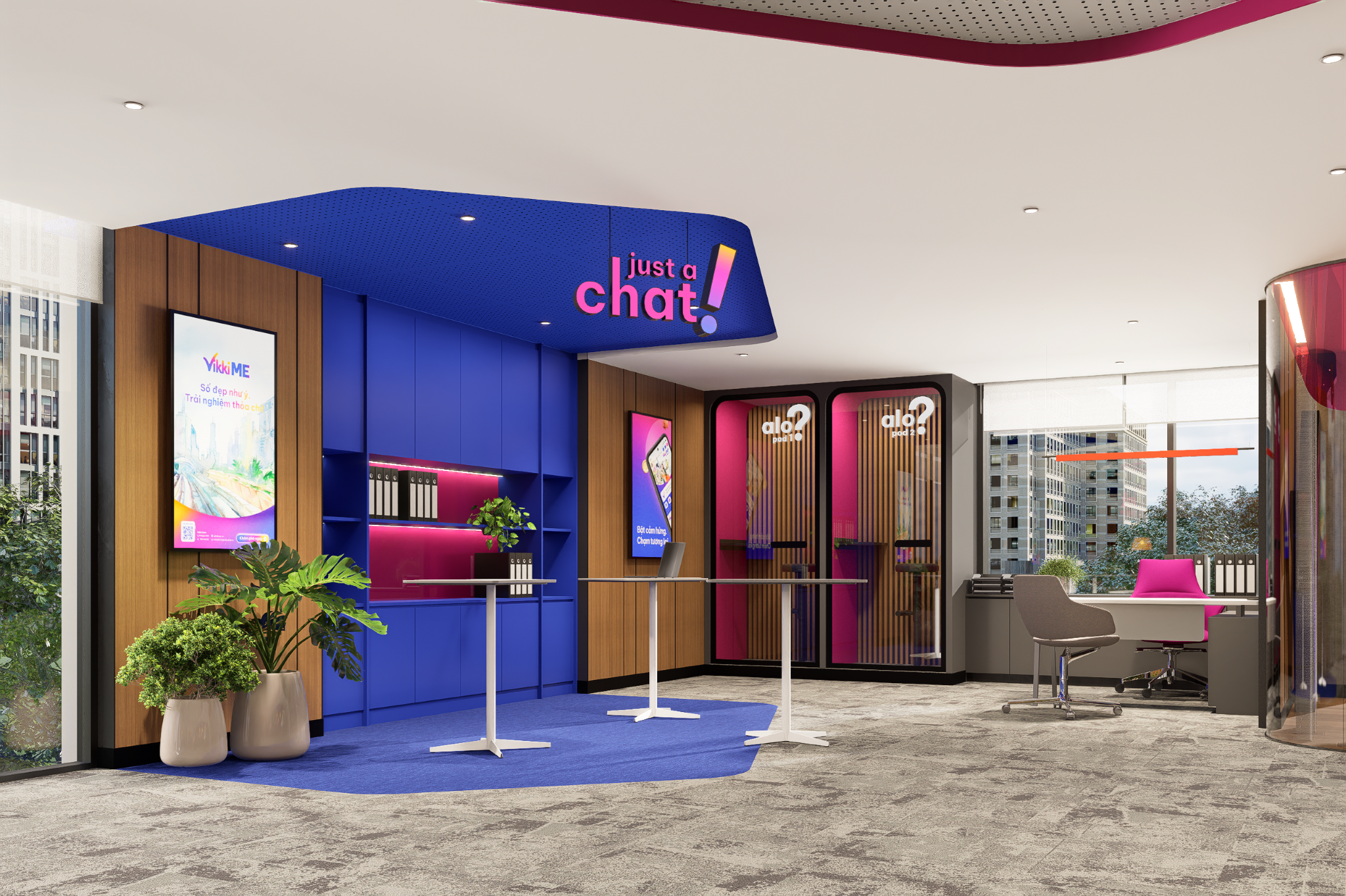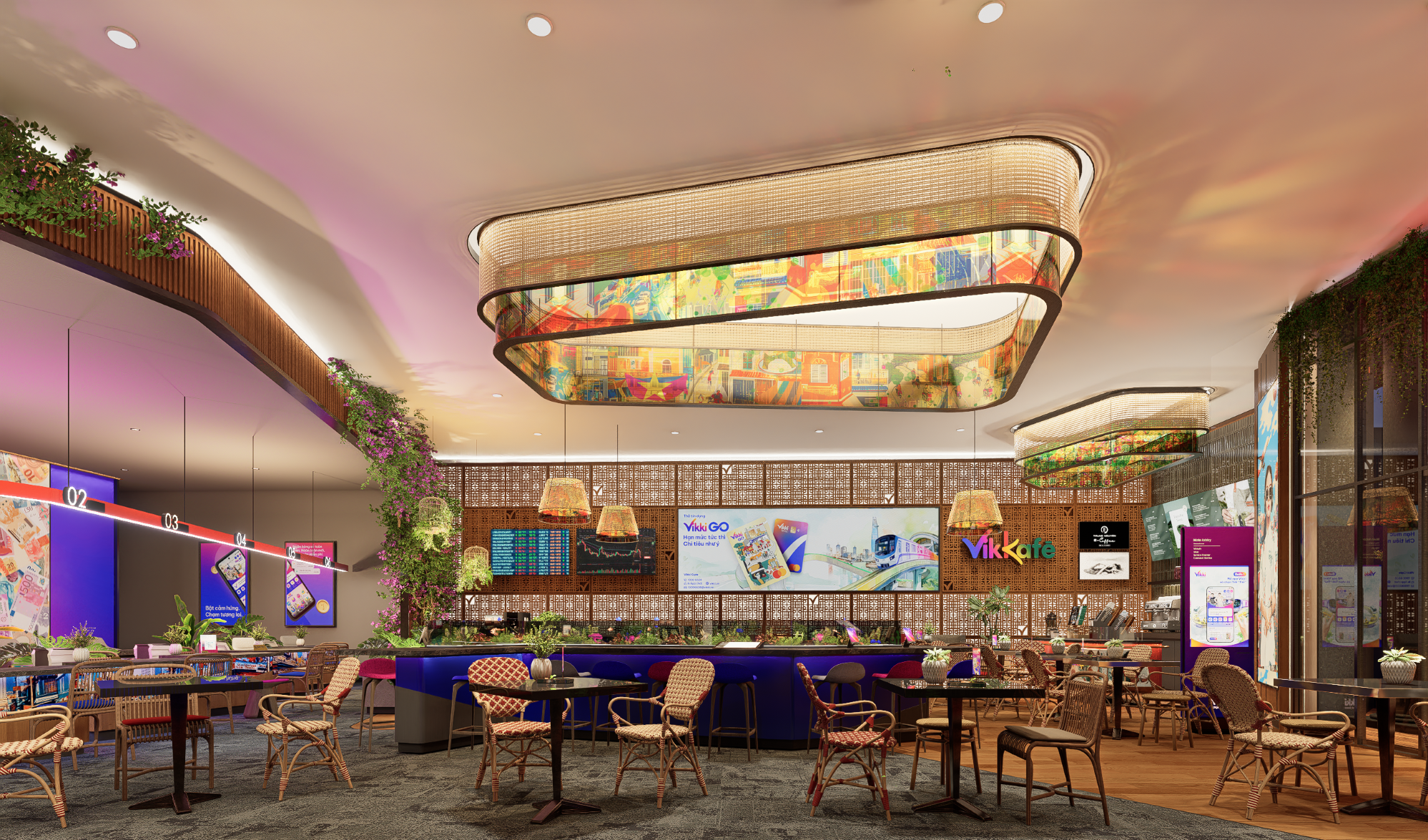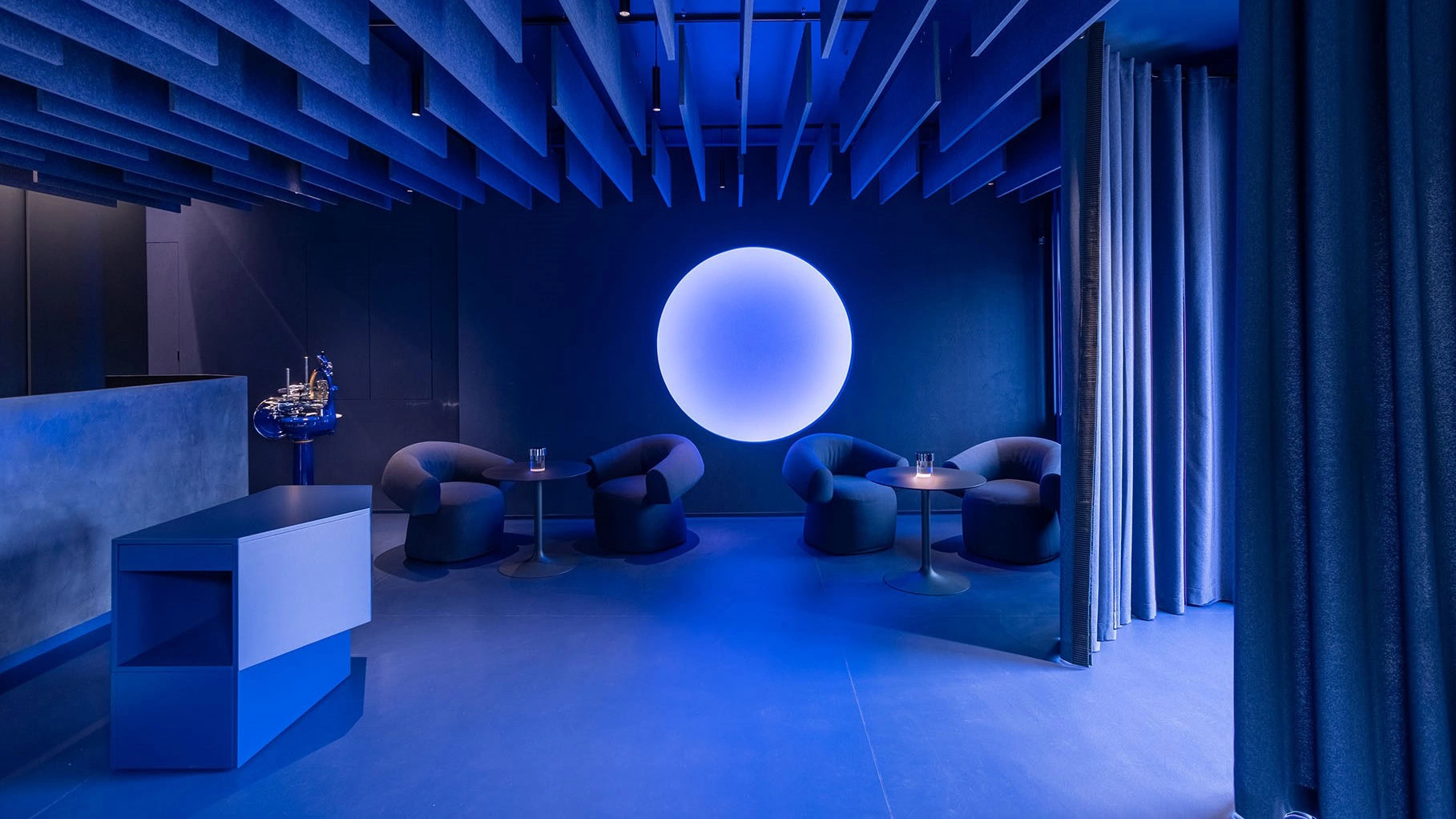
In contemporary interior design, deep blues - particularly navy and indigo - have transcended their traditional coastal connotations, evolving into dynamic tools for crafting environments that feel both intimate and expansive. These rich blues work beautifully as foundational colors or accent tones that add psychological warmth, dramatic depth, and nuanced sophistication. Below, we explore how global designers and architects are applying these hues across sectors from homes and hotels to workspaces and retail stores.
Why Deep Blues Work
Navy and indigo straddle a compelling place on the color spectrum, they’re deep enough to create a cocooning feel without the austerity of black. Designers now refer to navy as a “grounding neutral” that performs like gray or beige but with added emotional resonance and dimensionality. When paired with materials like brass, leather, wood, or textured textiles, these blues contribute to settings that feel anchored yet refined, intimate yet dynamic - ideal for spaces intended for lingering, reconnecting, or high-focus work.
Residential Interiors: Jewel-box Living
In residential design, navy or indigo walls and textiles create environments that feel cocooned and soothing - perfect for any space, from living rooms, kitchen to bedrooms. Painting a feature wall in a deep blue, or choosing navy cabinetry in open-plan homes, turns otherwise ordinary rooms into dramatic yet serene retreats. Velvet sofas or indigo upholstered chairs reflect light in shifting ways, elevating comfort with tactile richness.
Paired blue palettes (navy, indigo, slate) demonstrate how layering deep blues across walls, ceilings, or built-ins adds dimension without making rooms feel heavy, especially when offset with textures like woven rugs, velvet, and wood finishes.

A coastal-inspired residence on Nantucket by Meg Braff showcases a dramatic navy dining room that plays into the home’s ocean context
Photo Credit: Annie Schlechter

Wrapped in deep blue cabinetry, this kitchen balances richness and restraint, using dark color to add depth while warm tones and light keep the space inviting
Photo Credit: Magnet

The bedroom in Audrey Carden’s London House embraces a saturated blue envelope, softened by emerald silk, honey-toned mid-century furniture, and abundant natural light
Photo Credit: Michael Sinclair
Hospitality Interiors: Intimate Yet Memorable
In hospitality, deep blues establish an atmosphere that is welcoming yet sophisticated. Boutique hotel lounges and high-end bars often use navy or indigo to frame guest experiences, creating intimate seating clusters where lighting and materials play off the depth of the hue. Though examples vary widely, hospitality designers leverage these tones to anchor communal areas and elevate ambience, inviting guests to relax or socialize in a richly layered color story.
Some contemporary hotels embed color into narratives that reflect place and personality. While specific examples of navy/indigo-centered projects continue to emerge in design archives, current trends show a broad embrace of deep hues in lobbies, guest rooms, and intimate lounges to promote a sense of place and memory.

W Austin’s speakeasy wraps deep blue banquettes and fluted columns in warm amber light, creating a moody, intimate lounge with a cinematic after-dark vibe
Photo Credit: W Hotels

Hotel Parco dei Principi by Gio Ponti wraps spaces in a signature blue-and-white palette, where custom ceramic tiles, textured walls, and deep blue details echo the Mediterranean sea and sky
Photo Credit: Hotel Parco dei Principi
Office Interiors: Focused Productivity
In workspaces, navy or indigo accent walls and partitions define focus areas without distraction. These deeper hues create psychological shelter, conducive to concentration and creativity. Combined with lighter neutral furniture and strategic lighting, deep blue can help offices feel grounded and intentional rather than cold or clinical.
Conference rooms dressed in deep blue paired with wood and metallic accents foster a sense of containment and focus - ideal for strategic conversations or brainstorming sessions. The depth of color visually recedes, making spaces feel larger while maintaining an intimate feel.

Deep blue wall graphics anchor Sprinklr headquarters’ meeting rooms, where calm hues, natural light, and warm timber details create a focused yet inviting workspace
Photo Credit: Chris Goldstraw
Retail Interiors: Sophisticated Staging
While retail design often favors lighter, airy schemes to keep merchandise front and center, deep blue interiors offer an unmistakable backdrop for luxury brands and curated retail experiences. Navy walls or indigo display niches help products stand out dramatically, especially when paired with warm materials or vivid accent colors that pop against the dark palette.
Concept stores and experiential environments use rich blues to shape customer journeys - from entry zones that feel immersive to fitting rooms that feel like private, sophisticated salons. These deeper tones subtly signal exclusivity and discovery.

Marni’s Milan flagship pairs navy flooring with reflective metal surfaces, turning the space into a bold landscape of color, texture, and playful surrealism
Photo Credit: Marni

IKEA’s Oxford Street interior dives into deep blue, using immersive color and lighting to transform retail into a calm, atmospheric brand experience
Photo Credit: IKEA
Pairings and Materiality
+ Metals & Natural Materials: Navy and indigo pair beautifully with brass, gold, leather, and wood - materials that warm and balance their cool depth.
+ Textiles & Patterns: Velvet, wool, and patterned textiles in these hues add texture and soften visual weight, making deep color schemes feel layered and inviting.
+ Lighting: Because deep blues can absorb light, layered lighting - downlights, wall sconces, and accent lamps - is essential to reveal nuances of tone and avoid a space feeling too dark.
Conclusion
Ultimately, navy and indigo operate less as colors and more as spatial tools. By absorbing light, sharpening contrast, and heightening material presence, deep blues create interiors that feel immersive and intentional - spaces where mood, texture, and experience quietly take precedence over surface effect.
Save this story. A free account keeps your reading list and the 07:00 email in one place.
CREATE FREE ACCOUNT →SIGN IN