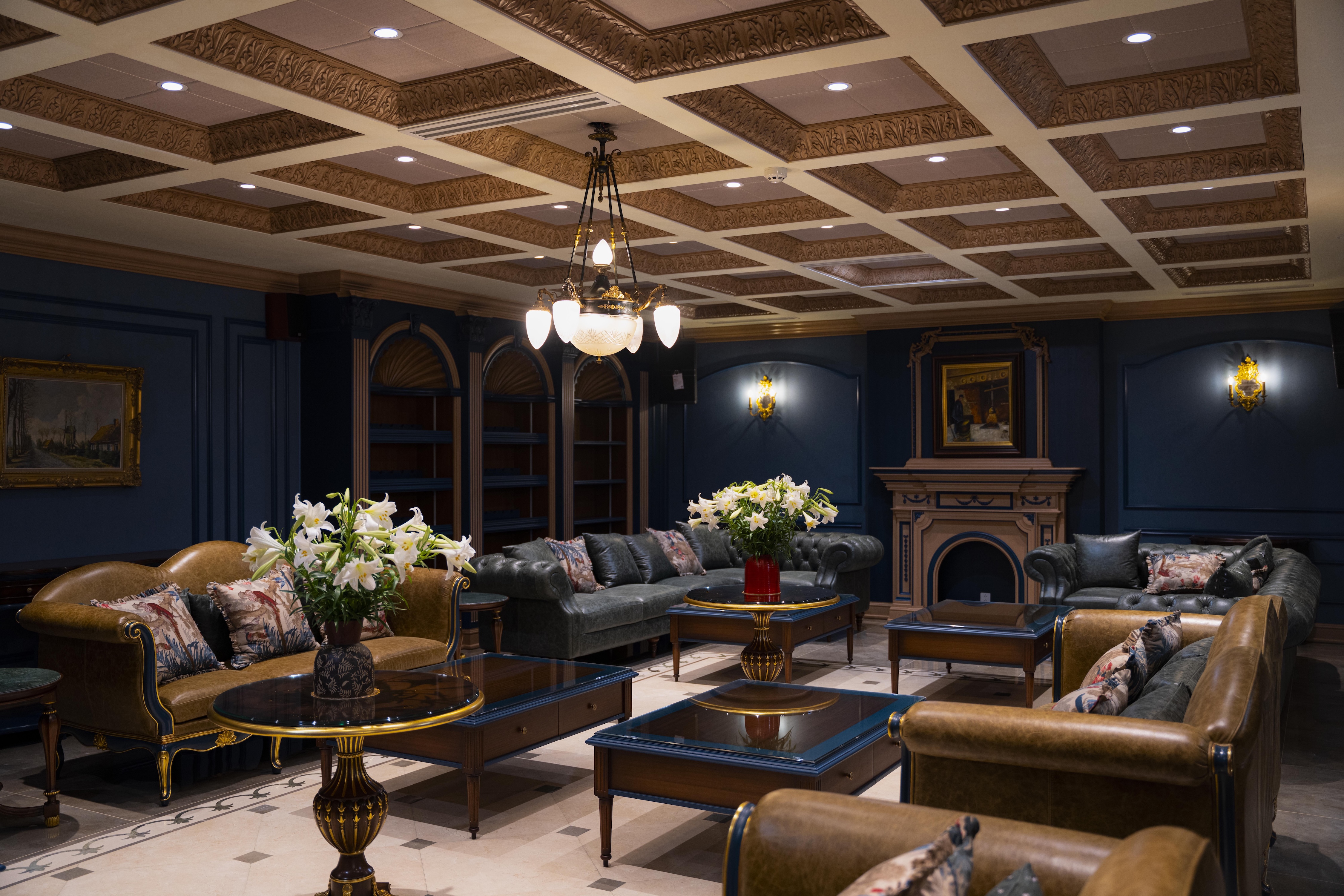
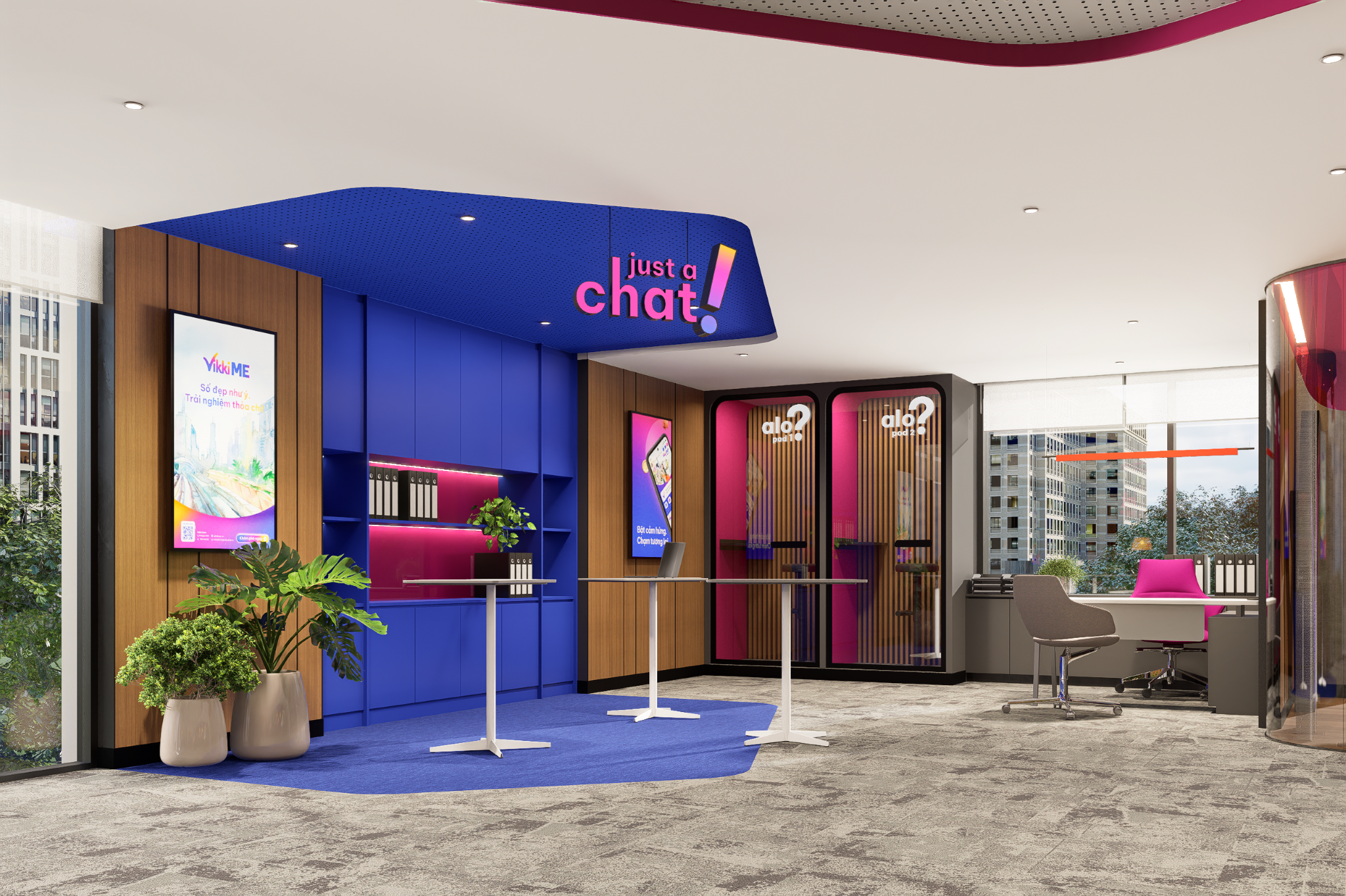
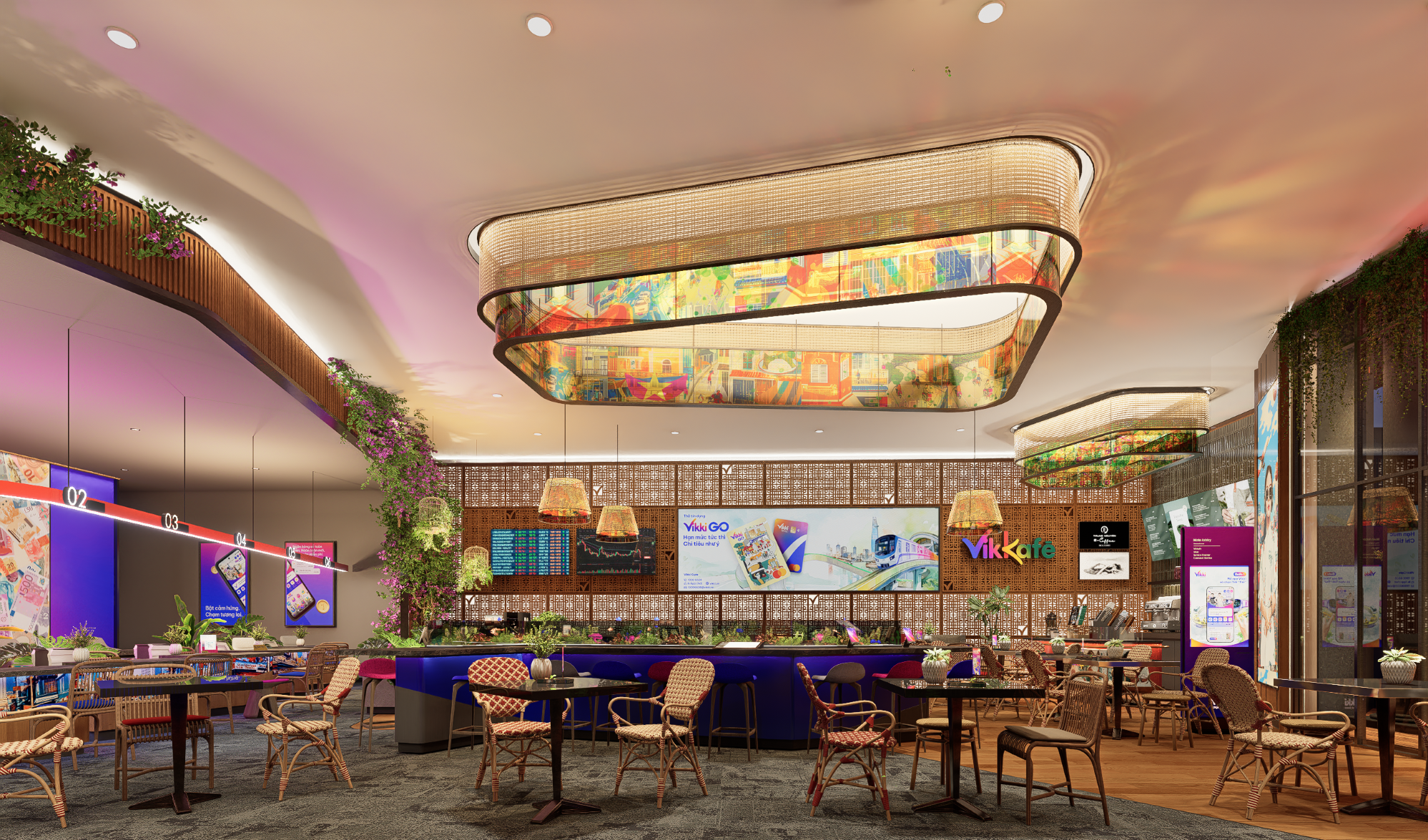
In interior design, the floor is often more than just a surface: it’s a statement. Graphic flooring is having a major moment, with bold tiles, patterned carpets, and concrete treatments emerging as strong visual anchors that define spaces with character, depth, and energy. As 2025 trends show, floors aren’t just foundations - they’re central to a room’s identity.
The Rise of the Graphic Floor
Designers are increasingly treating floors as canvases rather than backdrops. According to recent trend reports, patterned tiles are surging in popularity, particularly those with geometric and Moroccan-inspired motifs. Bold colors - deep blues, terracottas, jewel tones - and tactile textures are replacing the muted, neutral palettes that dominated the past decade. Meanwhile, textured and sculpted tiles (including 3D-relief designs) are increasingly used to bring sensory richness underfoot. Concrete, too, is not being left behind: polished and stained concrete floors are now being cut into geometric shapes for a statement-making effect. Carpet isn’t quiet either - sculpted-pile carpets, bold Moroccan motifs, and all-over graphic designs are being used like architectural elements.
These aren’t just small accent touches: floors are being elevated to the kind of large-scale visual storytelling once reserved for walls or large decorative pieces.
Graphic flooring turns interiors into expressive spaces - each pattern, tile, and finish contributes a design narrative right underfoot
Photo Credit: Studio Duggan
Tiles as Dramatic Anchors
Bold Geometric Tiles
Geometric tile patterns are dominating this year. From oversized chevron parquet, and even herringbone layouts in tile, to hexagonal tiling, these shapes bring movement to a space. According to UniqueTiling’s trend forecast, hexagon “polka-dot” patterns, terrazzo looks, and cross-shaped motifs are among the most in-demand.
The effect is architectural: floor patterns become structural elements that define zones and guide the eye. Brands like Kapriz Hardwood Floors note that these patterns are especially effective in smaller or transitional spaces like entryways, where they can make a strong impact without overwhelming.
A chevron wood floor brings directional elegance to a living space, visually stretching the room and grounding it with dynamic rhythm
Photo Credit: Studio Duggan
Contemporary terrazzo flooring mixes flecks of colorful stone and marble, creating a playful yet polished foundation for modern interiors
Photo Credit: Allure Flooring
Hexagonal tiles in soft neutrals add subtle geometry to this bathroom, blending vintage charm with modern sophistication
Photo Credit: Studio Duggan
Tactile & 3D Relief Tiles
Beyond flat graphics, tactile tiles with 3D textures are gaining ground. As reported in Minoli’s 2025 design trends, textured tiles - porcelain or ceramic - are being manufactured with organic reliefs and sculptural depth, inviting touch as well as visual appreciation. These come in neutral tones and more adventurous colorways alike, making them versatile for both minimalist and maximalist interiors.
Large-format porcelain tiles in a muted palette deliver clean lines and a luxe finish - perfect for bathrooms that favor minimalism with impact
Photo Credit: Cemento
Carpets: Texture Meets Graphic Narrative
Carpets are also stepping into the spotlight as graphic flooring elements.
Expressive, Sculpted Carpets: According to Fabulive, the latest patterned carpets for 2025 act like visual poems - lines, lattices, and waves rendered in sculpted pile and tonal contrast. These carpets are more than floor coverings; they’re art underfoot.
Moroccan Motifs Return: The trend report by Martha Stewart highlights that Moroccan-patterned carpets - featuring bold geometry and rich motifs - are having a resurgence. Designers are using them to ground rooms, especially where an upholstered, ornate statement is needed without going for wood or tile.
Wall-to-Wall Color: As noted by Vogue, highly saturated, wall-to-wall carpets aren't just back - they’re being deployed in solid bold hues or patterned designs that define entire rooms. These carpets bring personality, texture, and warmth, especially in spaces that might otherwise feel too cold or sparse.
A richly patterned carpet becomes the centerpiece of this sitting area, adding warmth, texture, and personality to the layered interior
Photo Credit: Studio Duggan
Saturated wall-to-wall carpeting turns the entire room into a visual statement, evoking a sense of comfort and dramatic style
Photo Credit: Hackera
Concrete: The Silent Sculptor
Concrete is no longer purely industrial - it’s becoming a bold, expressive surface.
Geometric Stained & Saw‑cut Concrete: Innovations in concrete finishing are enabling striking patterns to be cut directly into the slab or stained in contrasting tones. These geometric shapes - hexagons, chevrons, or bold angular designs - provide dramatic visual weight without relying on color-heavy materials.
Polished Matte Concrete: Alongside bold patterning, there’s a complementary trend toward matte and textured concrete finishes. Decorilla notes that tactile concrete floors (brushed or lightly ridged) offer a sense of depth and subtle play of light and shadow, particularly in minimalist modern spaces. These surfaces provide an anchor that feels grounded yet refined.
Inlaid Materials: Designers are also embedding brass, metal, or contrasting concrete to create inlaid patterns. The result: a floor that’s part art installation, part high-performance surface.
A polished matte concrete floor in the kitchen creates a cool, industrial backdrop
Photo Credit: Ståle Eriksen
Saw-cut concrete with geometric scoring adds a tactile edge to this bathroom, blending artisanal craftsmanship with architectural clarity
Photo Credit: Studio Duggan
Tips for Designing with Graphic Floors
+ Start small: Use patterned tile or geometric concrete in entryways, bathrooms, or niche zones if you’re unsure how bold you want to go.
+ Keep the rest simple: When the floor is complex, let walls and furnishings be more restrained to avoid visual overload.
+ Consider transitions: Mixed-material floors (e.g., carpet meeting tile) require careful planning. Use inlays or custom transition strips.
+ Balance color and shape: Neutral palettes can make graphic patterns feel sophisticated, whereas jewel tones or terracottas make them more theatrical.
+ Work with the light: Choose finishes (matte, gloss, textured) depending on how light hits the space. Tactile surfaces benefit from diffused lighting.
Graphic floors redefine every room - encouraging us to look down and discover stories beneath our feet
Photo Credit: Studio Duggan
Looking Ahead
As we move through 2025, the graphic flooring trend seems set to deepen. With advances in material innovation, designers are no longer limited to printed visuals: tile, carpet, and concrete are being rethought as sculptural, functional surfaces. The floor is no longer just where we walk, it’s where design begins.
If you're thinking of redesigning a room, consider what kind of visual anchor you want underfoot. Do you want a whisper of geometry, or a loud, story-filled carpet that feels like art? Either way, graphic flooring makes it possible to express identity, texture, and vision right from the ground up.
Save this story. A free account keeps your reading list and the 07:00 email in one place.
CREATE FREE ACCOUNT →SIGN IN