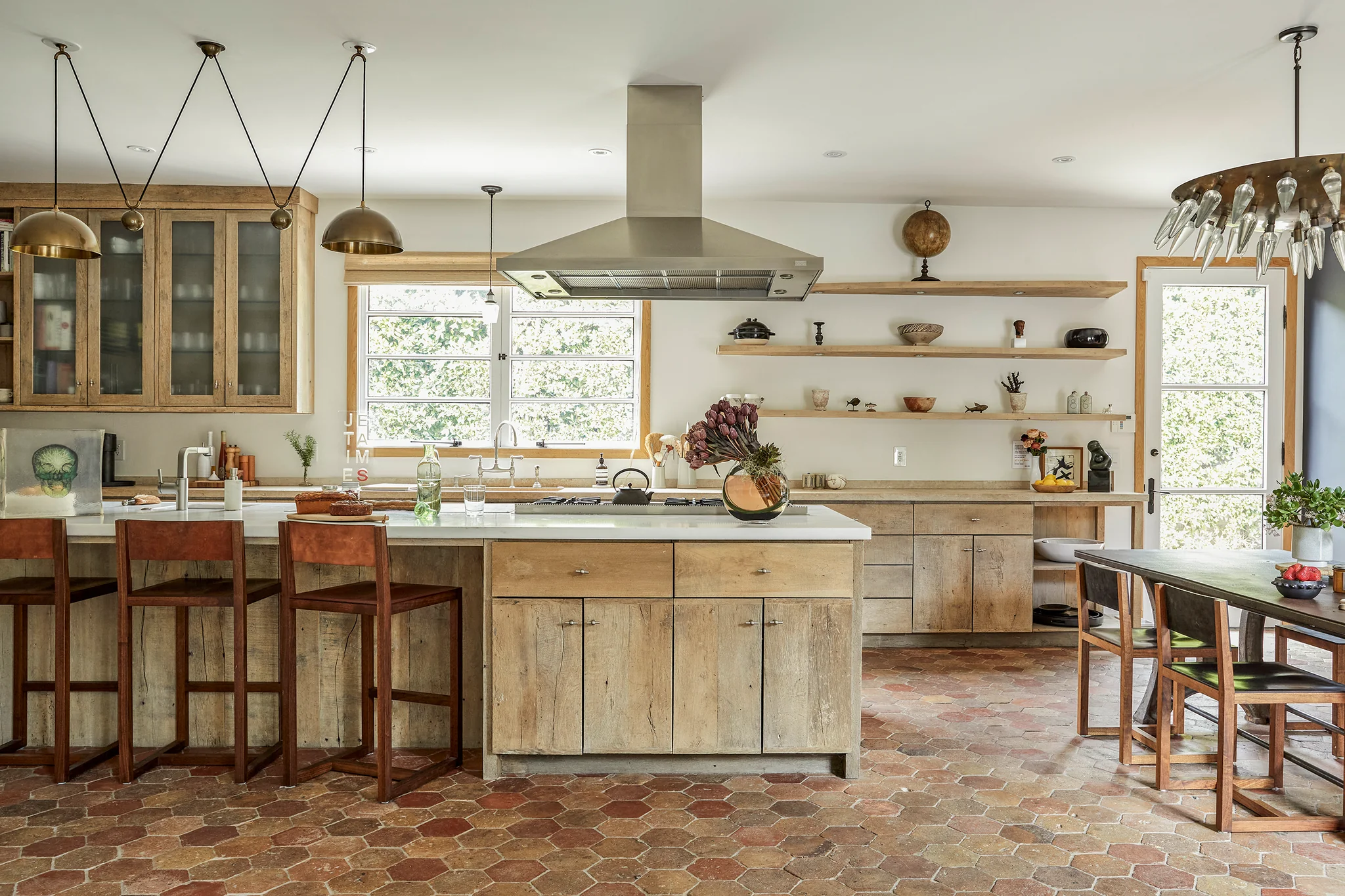
In 2026, kitchen flooring is no longer treated as a quiet backdrop. Instead, it has become one of the defining design elements shaping the mood, texture, and identity of the contemporary kitchen. Designers are moving away from sterile finishes and overly polished surfaces, embracing materials that feel tactile, imperfect, and deeply connected to everyday living. Across residential projects worldwide, the emphasis is shifting toward warmth, authenticity, and craftsmanship.
From earthy terracotta to expressive mosaics, this year’s flooring trends reveal a broader movement in interior design: spaces that feel lived-in, layered, and emotionally resonant rather than overly curated. Here are the five flooring directions transforming kitchens in 2026.
1. Terracotta Returns With Rustic Sophistication
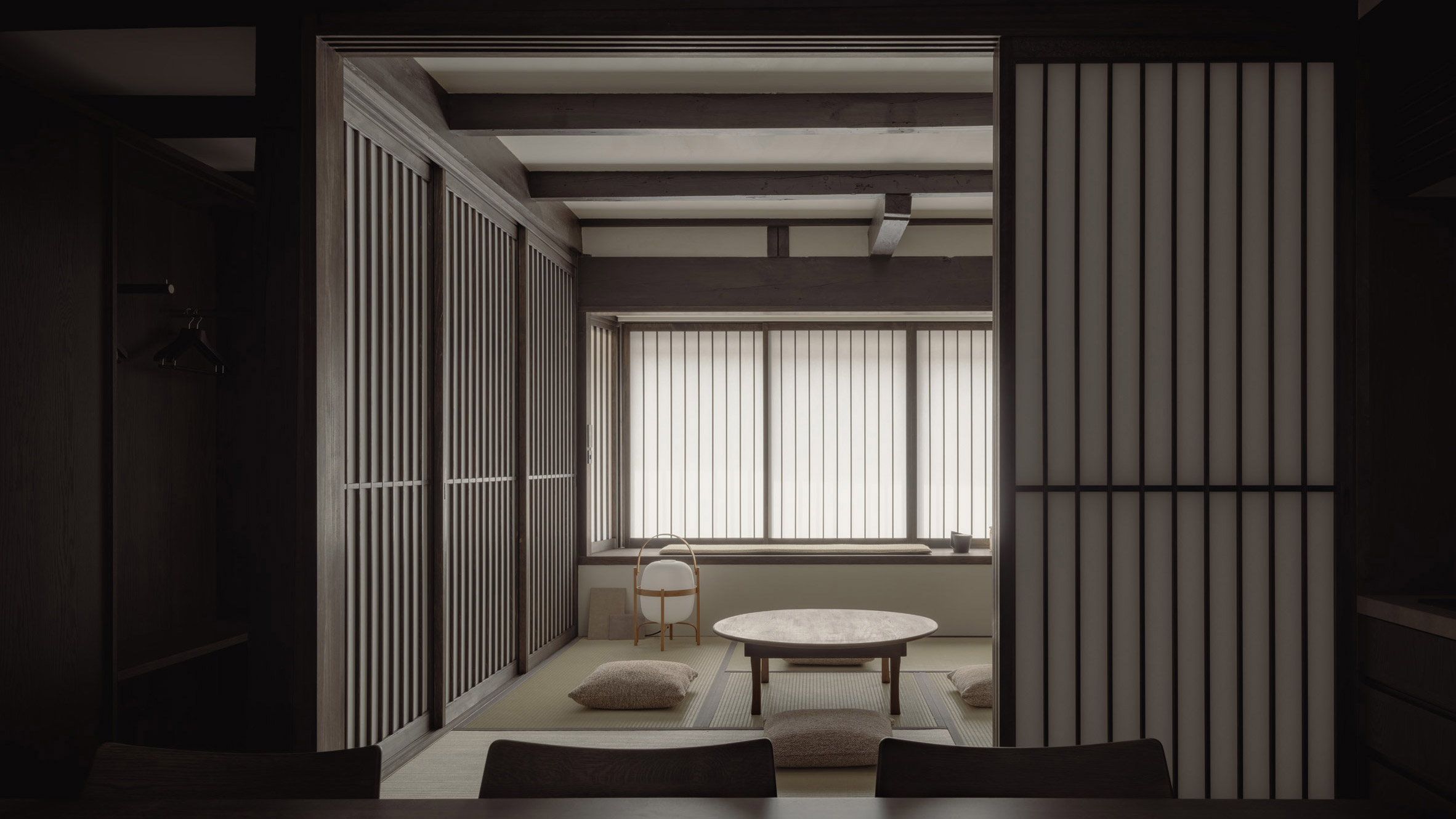
Terracotta flooring is experiencing a major revival, bringing warmth and organic character back into the kitchen. Unlike the cool gray palettes that dominated previous years, terracotta introduces rich earthy tones that instantly soften a space and create a welcoming atmosphere. Designers are particularly drawn to its natural imperfections - tonal variations, uneven textures, and aged finishes that give kitchens a sense of history and authenticity.
The appeal of terracotta lies in its versatility. It works equally well in Mediterranean-inspired homes, minimalist contemporary interiors, and countryside kitchens seeking a grounded, tactile quality. Paired with natural timber cabinetry, brushed metals, and limewash walls, terracotta floors help kitchens feel more connected to nature and daily rituals.

Photo Credit: Harmony Home Design
2. Warm Wood Floors Bring Comfort and Continuity
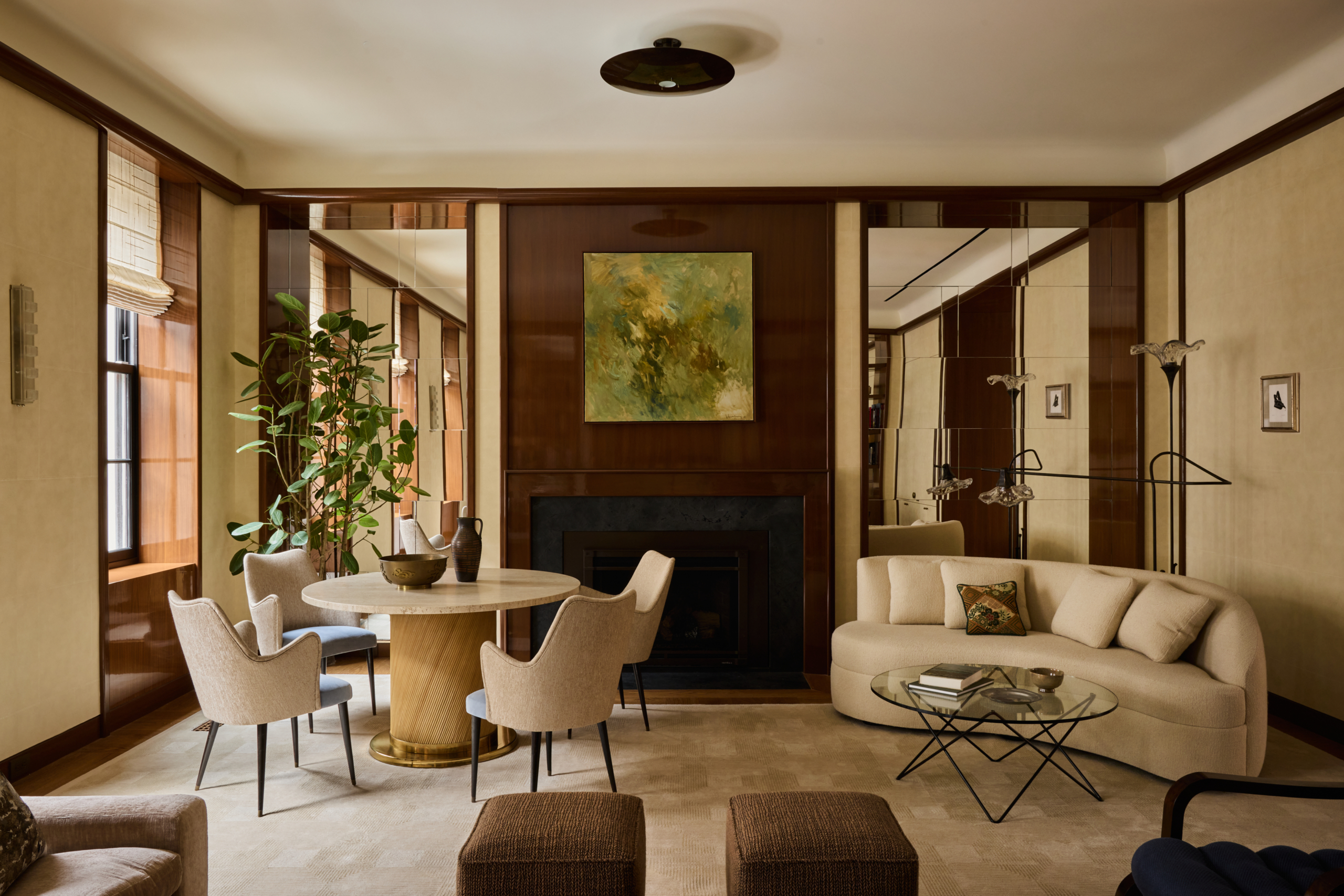
Natural wood flooring continues to dominate kitchen design, but in 2026 the focus is firmly on warmer tones and expressive grain patterns. Honey oak, walnut, and softly smoked timber finishes are replacing cooler, desaturated woods, helping kitchens feel more intimate and timeless.
Wide planks remain popular, though designers are increasingly experimenting with layout patterns such as square parquet and geometric arrangements that add rhythm and subtle visual movement. These more artisanal applications elevate wood flooring beyond a purely functional surface into a defining architectural feature.
Beyond aesthetics, warm wood flooring also reflects a growing desire for continuity throughout the home. Open-plan living encourages seamless transitions between kitchen, dining, and living spaces, and timber flooring helps unify these zones while maintaining softness and warmth.

Photo Credit: Edward Martin
3. Tumbled Limestone Adds Organic Texture
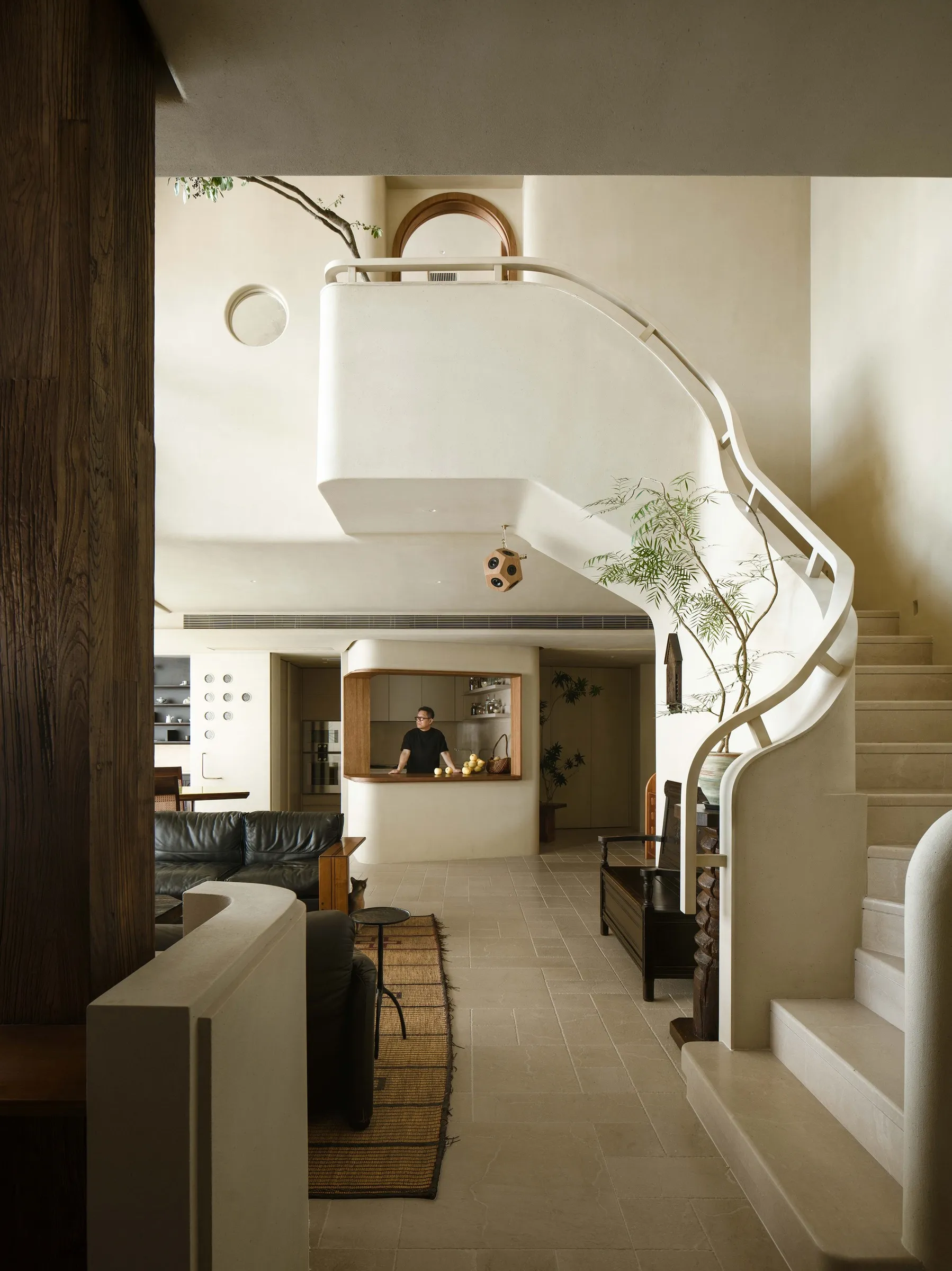
Natural stone remains a cornerstone of luxury interiors, but 2026 favors finishes that feel relaxed rather than polished. Tumbled limestone, with its softened edges and weathered texture, perfectly captures this direction. The material introduces quiet movement and subtle tonal variation, creating kitchens that feel calm, grounded, and enduring.
Unlike highly reflective stone surfaces, tumbled limestone absorbs light gently, contributing to the softer aesthetic increasingly favored by designers. Its neutral palette also makes it an ideal foundation for layered interiors featuring warm cabinetry, textured plaster, and handmade ceramics.
As homeowners prioritize longevity and timelessness over trend-driven statements, limestone offers a refined yet understated solution that ages gracefully over time.

Photo Credit: Dijon Limestone
4. Terrazzo Evolves Into a Softer Statement
Terrazzo is making a sophisticated comeback, though the new interpretation is far more restrained than the bold, high-contrast versions seen in previous years. Designers are embracing warmer aggregates, muted color palettes, and larger stone fragments that create depth without overwhelming the room.
Particularly notable is the renewed interest in Palladiana terrazzo, a centuries-old technique featuring large irregular marble fragments embedded into cement or resin. This handcrafted look introduces artistry and individuality into contemporary kitchens while maintaining durability and practicality.
The updated terrazzo aesthetic aligns with the broader 2026 movement toward expressive surfaces that balance visual richness with calm, cohesive interiors.

Photo Credit: Andrew Meredith
5. Mosaic Floors Become Artistic and Atmospheric
Mosaic flooring is re-emerging as one of the most creative directions in kitchen design. Rather than highly decorative traditional applications, today’s mosaics focus on tonal layering, subtle patterning, and artistic composition. Designers are using small-format tiles to create floors that feel textured, immersive, and deeply personal.
Some projects draw inspiration from mural-like compositions, where flooring becomes a form of visual storytelling. Others favor quieter geometric layouts that introduce movement without dominating the kitchen. In both cases, mosaic floors contribute to a growing appreciation for craftsmanship and detail.
As interiors continue to evolve toward more character-driven environments, mosaic flooring offers homeowners an opportunity to create spaces that feel curated, expressive, and uniquely their own.

Photo Credit: Anson Smart
A Shift Toward Human-centered Kitchens
The defining thread across all five trends is a desire for kitchens that feel warmer, softer, and more emotionally connected to daily life. Flooring in 2026 is less about pristine perfection and more about texture, tactility, and individuality. Materials are chosen not only for durability, but for the atmosphere they create and the stories they tell.
As designers continue to prioritize natural materials, artisanal finishes, and timeless character, kitchen floors are becoming foundational in more ways than one, grounding interiors with authenticity, comfort, and enduring beauty.
Save this story. A free account keeps your reading list and the 07:00 email in one place.
CREATE FREE ACCOUNT →SIGN IN