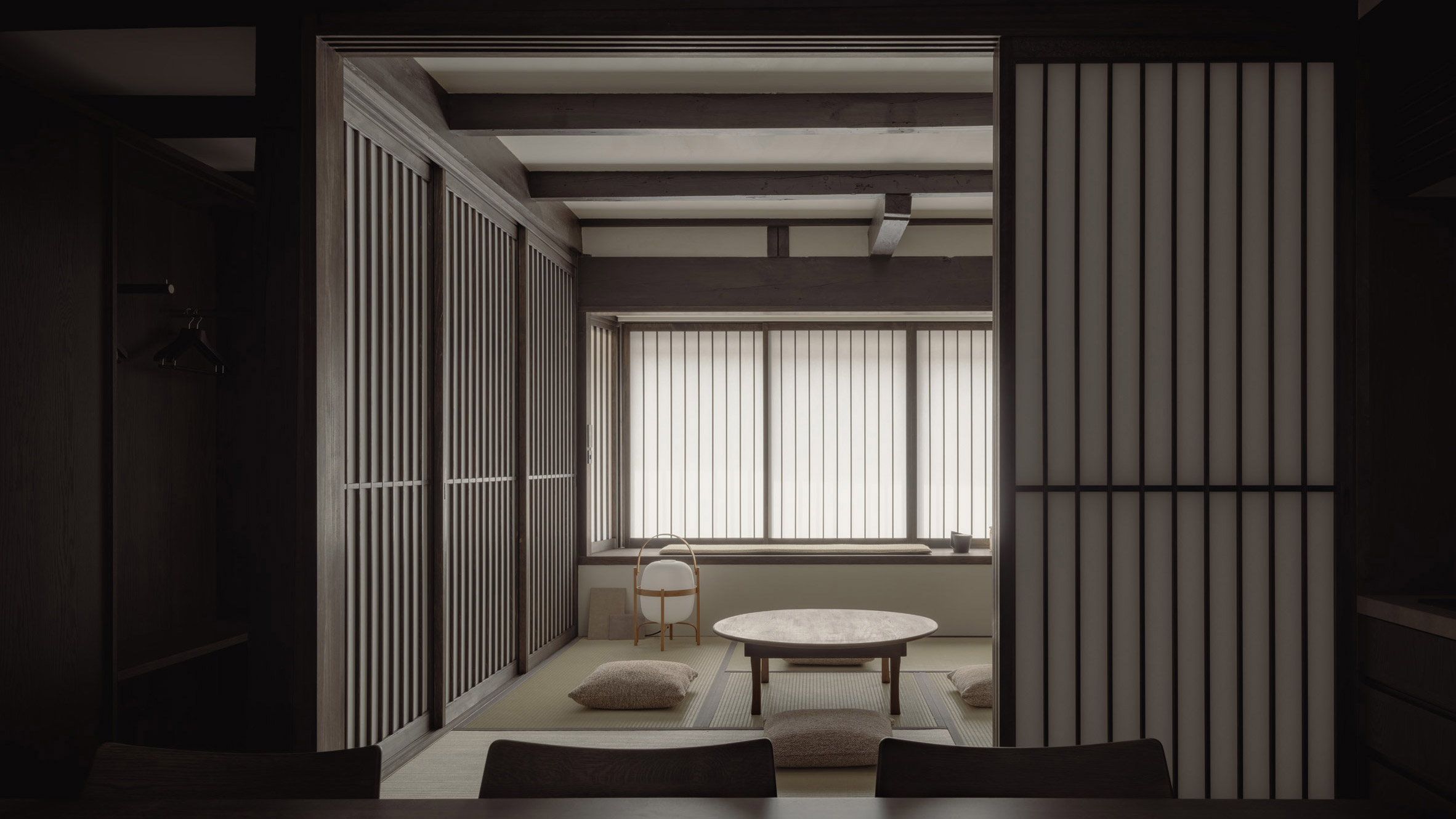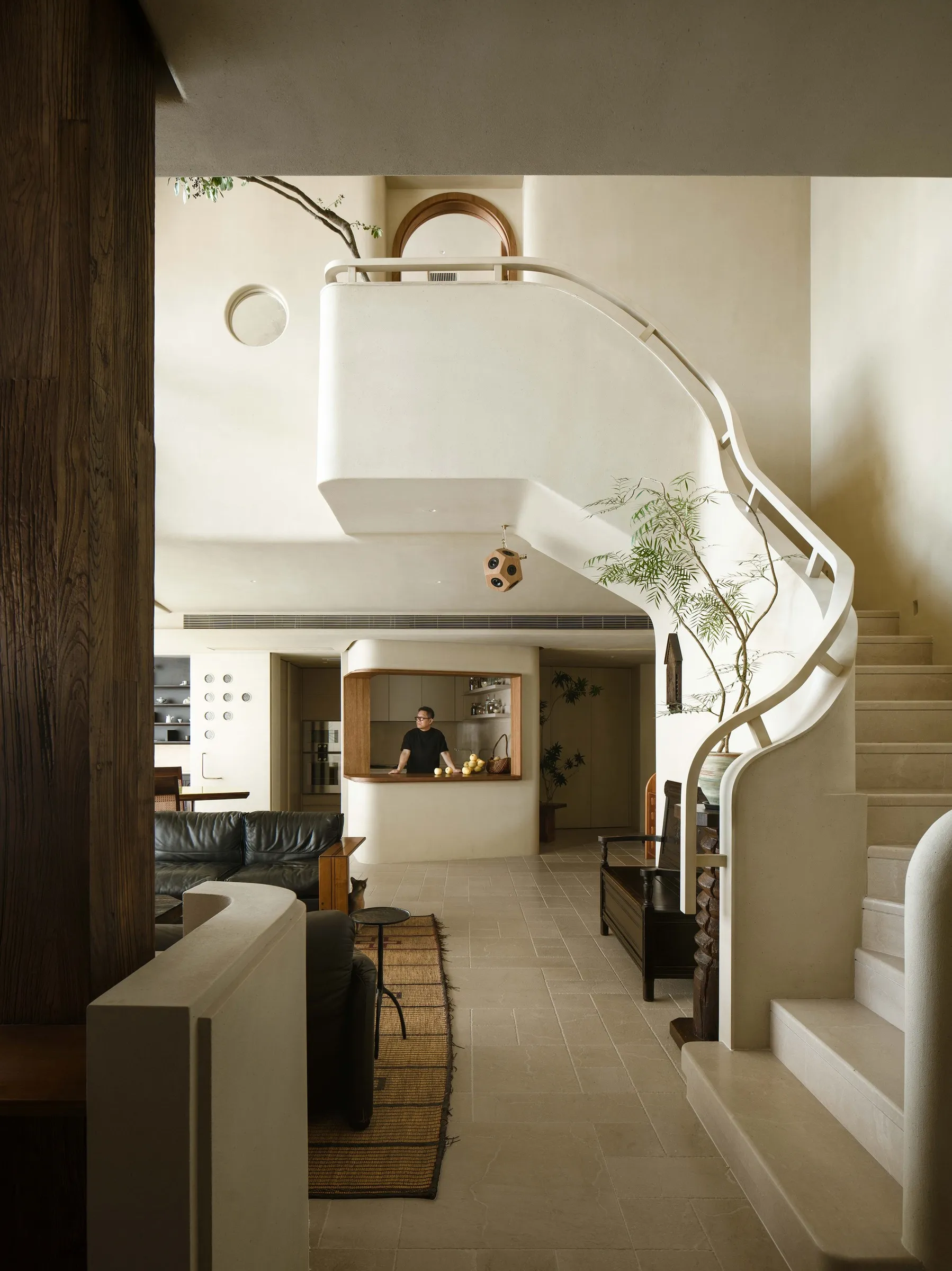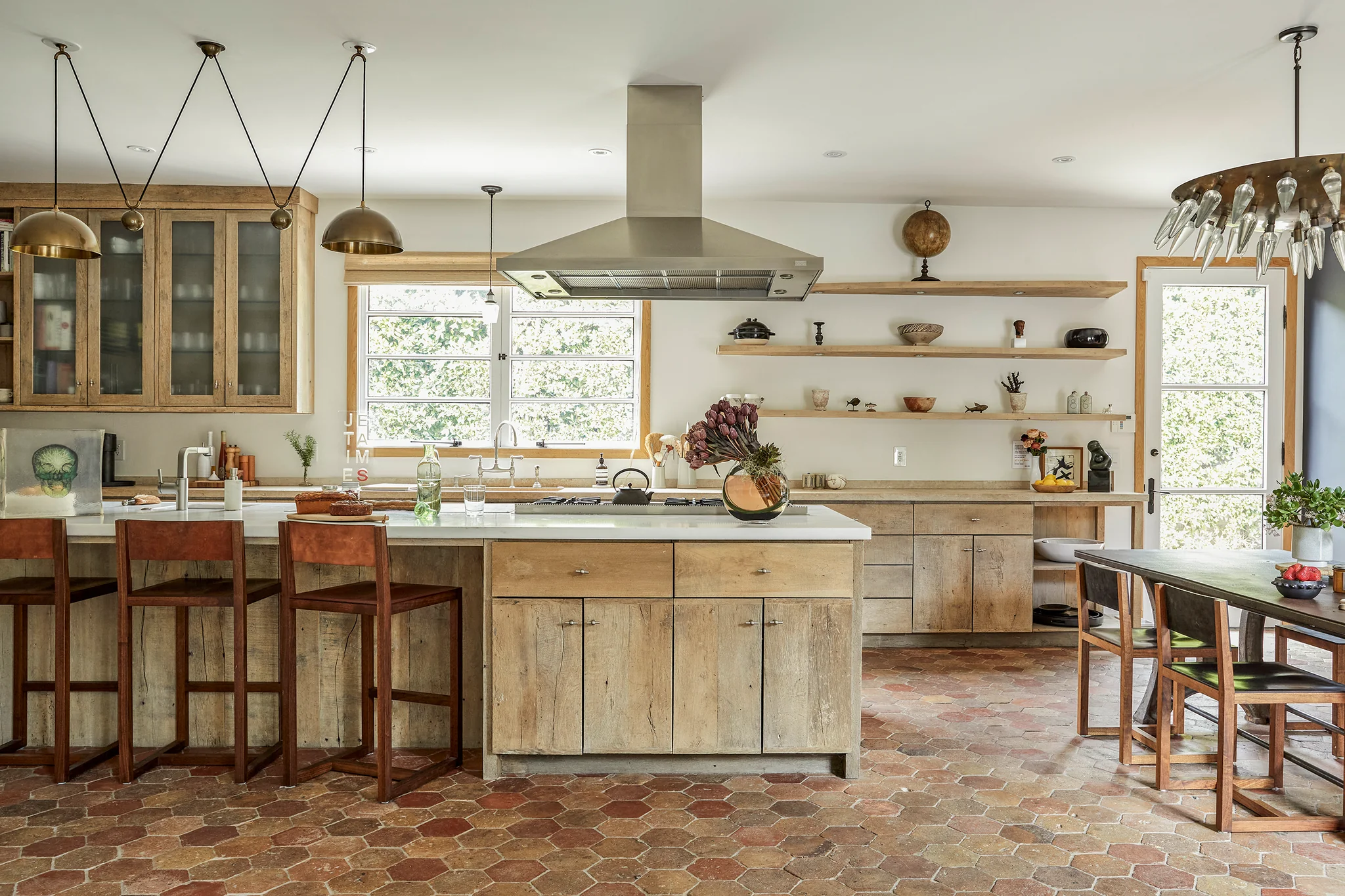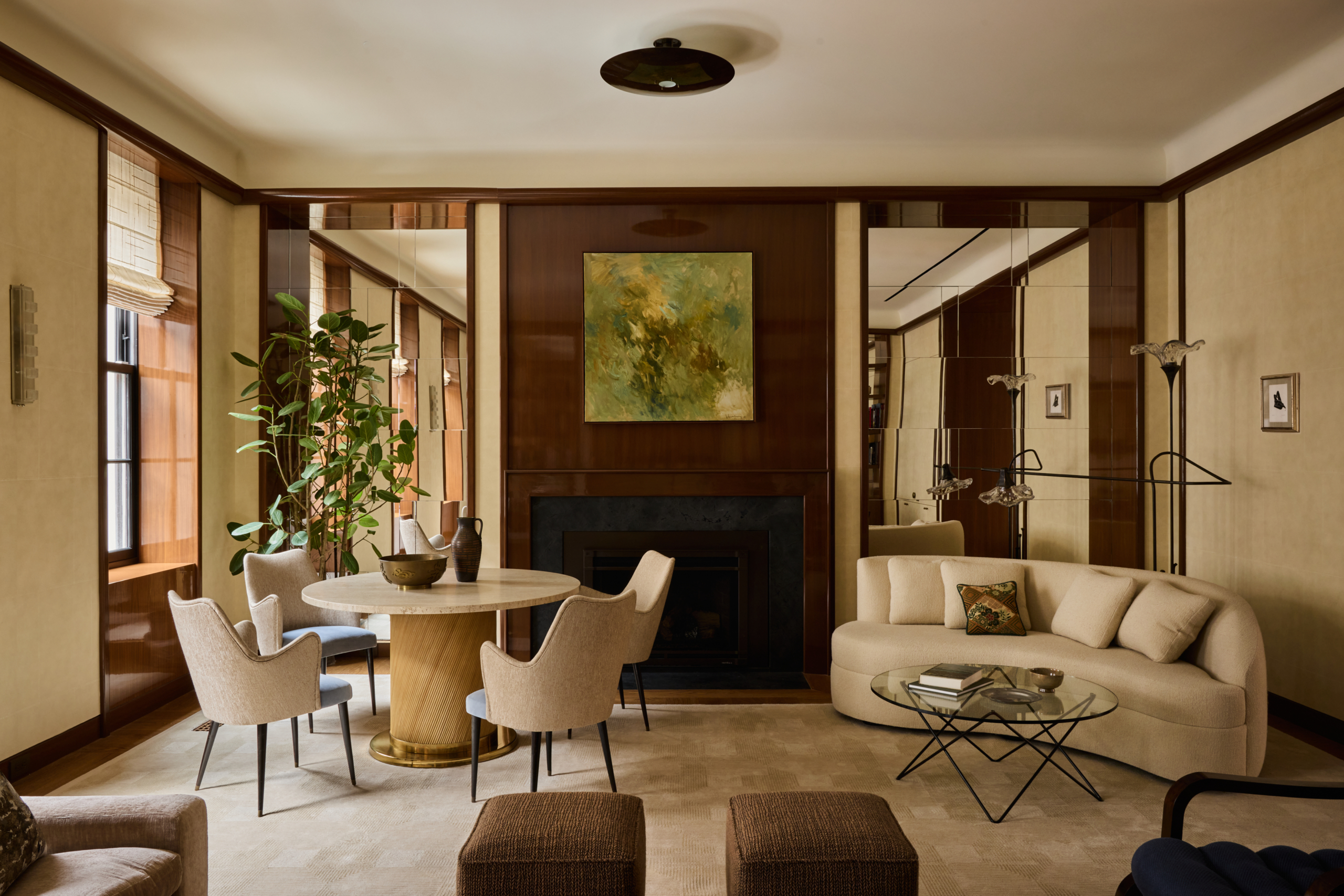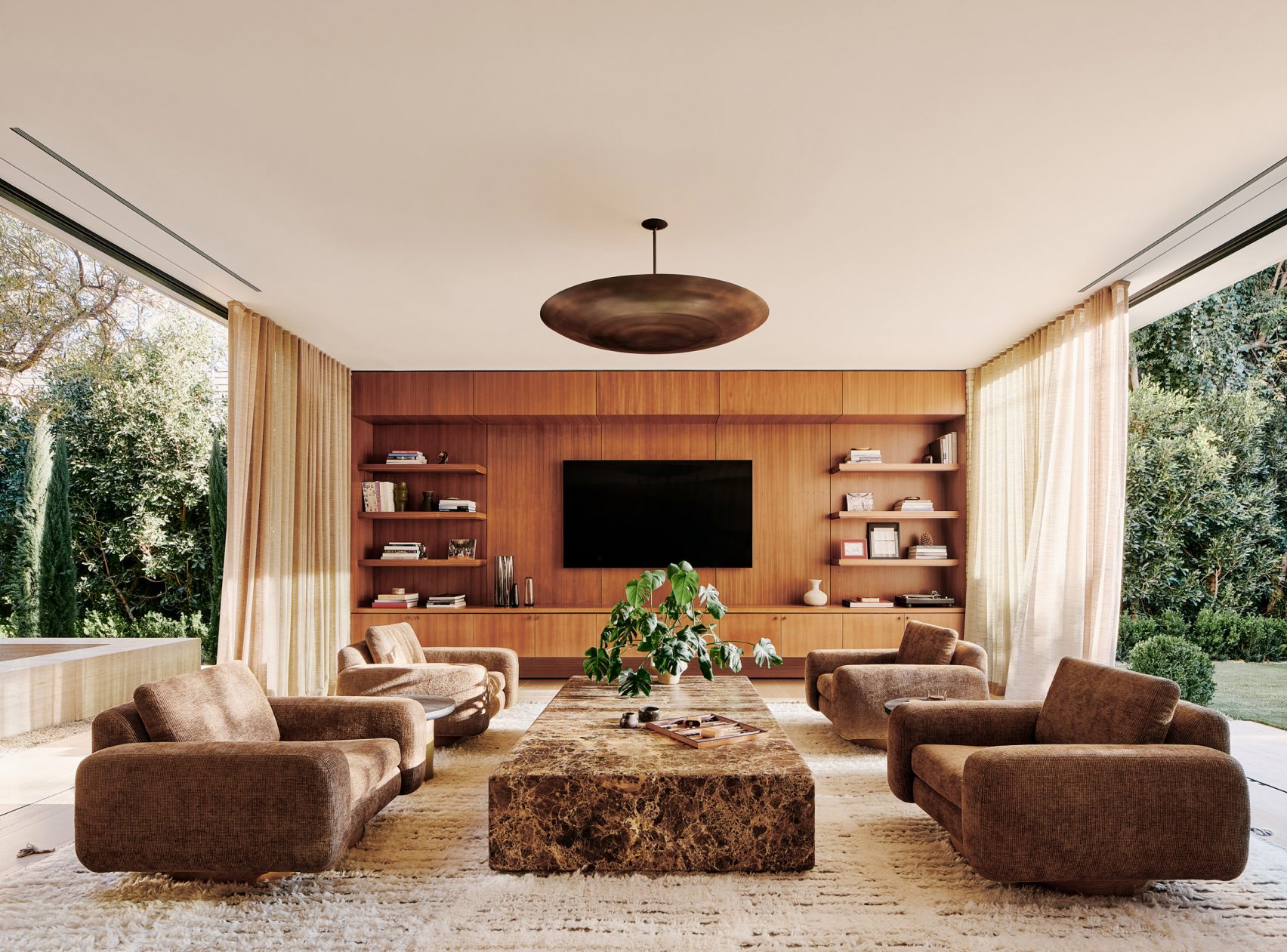
In contemporary interiors, the living room is no longer defined by grandeur or vertical dominance, but by flow, openness, and a closer relationship to the human body. Low-profile furniture, characterized by reduced height, elongated horizontality, and visual restraint, has emerged as one of the most influential design languages shaping modern living spaces. More than a stylistic preference, it reflects broader shifts in architecture, lifestyle, and cultural perception of comfort.
A Shift Toward the Horizontal
Low-profile furniture is typically defined by its lower seat height and reduced backrest, often sitting noticeably closer to the ground than traditional pieces. This creates a strong horizontal emphasis, visually stretching the room and anchoring it to the floor plane.
This shift toward horizontality aligns with modern architectural trends - open plans, large glazing, and minimal partitions - where furniture is expected to complement space rather than compete with it. By lowering the visual center of gravity, these pieces allow ceilings to feel higher and rooms more expansive, enhancing spatial perception without altering actual dimensions.

Photo Credit: Atunus Home
Design Logic: Space, Sightlines, and Calm
At its core, low-profile design is about subtraction. Removing vertical bulk reduces visual noise and allows the eye to travel uninterrupted across a room.
+ Unobstructed sightlines: Low-backed sofas maintain visual continuity, especially in open-plan layouts or spaces with panoramic views.
+ Spatial expansion: By not “cutting” the room at eye level, these pieces make interiors feel larger and more breathable.
+ Calm aesthetics: Minimal silhouettes contribute to a sense of quietness and order, aligning with contemporary desires for slower, more intentional living.
This is why low-profile furniture is frequently used in Scandinavian, Japandi, and minimalist interiors - design movements that prioritize simplicity, material honesty, and emotional comfort.
Historical Roots: From Mid-century to the 1970s
The current popularity of low-profile furniture is not new, it is a reinterpretation of earlier design eras.
+ Mid-century modernism introduced sleek, low-slung seating as part of a broader move toward functional minimalism. Designers like Charles and Ray Eames pioneered furniture that balanced comfort with clean geometry, often lowering seating to create a relaxed posture.
+ The 1970s pushed this further with lounge culture, embracing ultra-low seating, modular sofas, and organic forms. Iconic examples include the Togo Sofa and the Pacha Lounge Chair - pieces that dissolved rigid structure in favor of softness and informality.
Today’s designs borrow from both: the discipline of mid-century modernism and the softness of 1970s experimentation.
Contemporary Interpretations
1. Modular Low-slung Sofas
Modern living demands flexibility, and low-profile sectionals deliver exactly that. Configurable layouts allow users to reshape seating arrangements depending on social or spatial needs, while maintaining a unified horizontal line.

Photo Credit: Read McKendree
2. “Boneless” and Foam-based Seating
A recent evolution is the rise of frameless, foam-based sofas - soft, sculptural, and informal. These pieces blur the boundary between furniture and landscape, turning the living room into a lounge-like environment.

Photo Credit: Amazon
3. Platform-based Living
Low furniture often extends beyond sofas to include coffee tables, media consoles, and even floor seating systems. Together, they create a cohesive, grounded composition that feels architectural rather than decorative.

Photo Credit: Fancy House
Real-world Applications
Open-plan Urban Apartments
In compact apartments, low-profile sofas help maintain visual continuity between living, dining, and kitchen areas. By reducing visual barriers, they allow light and movement to flow freely, making small spaces feel significantly larger.

Photo Credit: Nick Glimenakis
Architectural Homes with Views
In houses with large windows or scenic surroundings, low seating ensures that furniture does not obstruct the landscape. The room becomes a viewing platform, with furniture acting as a subtle foreground rather than the focal point.

Photo Credit: Joe Fletcher
Design-led Interiors
In curated interiors, low-profile furniture often works as a neutral base for more expressive elements - art, lighting, or material textures. Its restraint allows other design features to take center stage.

Photo Credit: Stephan Julliard
Materiality and Form
Low-profile furniture emphasizes tactility over ornamentation. Common material strategies include:
+ Bouclé and textured fabrics for softness and depth
+ Natural woods to reinforce warmth and grounding
+ Neutral palettes that enhance longevity and adaptability
Formally, silhouettes tend toward:
+ Long, linear volumes
+ Soft curves or rounded edges
+ Minimal or hidden legs
These choices reinforce the idea of furniture as an extension of architecture rather than a separate object.
The Future: Subtlety Over Statement
Recent trends suggest a refinement rather than a rejection of low-profile design. While ultra-low forms may fluctuate in popularity, the broader principles - clean lines, reduced visual weight, and spatial sensitivity - remain central to contemporary interiors.
The future living room is less about imposing furniture and more about curating atmosphere. In this context, low-profile furniture continues to play a critical role - not as a trend, but as a spatial strategy that aligns design with how we live today.
Conclusion
Low-profile furniture reshapes the modern living room by redefining scale, proportion, and presence. It lowers not just the height of objects, but the visual intensity of the space, creating interiors that feel open, calm, and connected.
As architecture moves toward fluid, human-centered environments, this grounded approach to furniture design will likely remain, not as a passing aesthetic, but as a foundational language of modern living.
Save this story. A free account keeps your reading list and the 07:00 email in one place.
CREATE FREE ACCOUNT →SIGN IN