Abstract
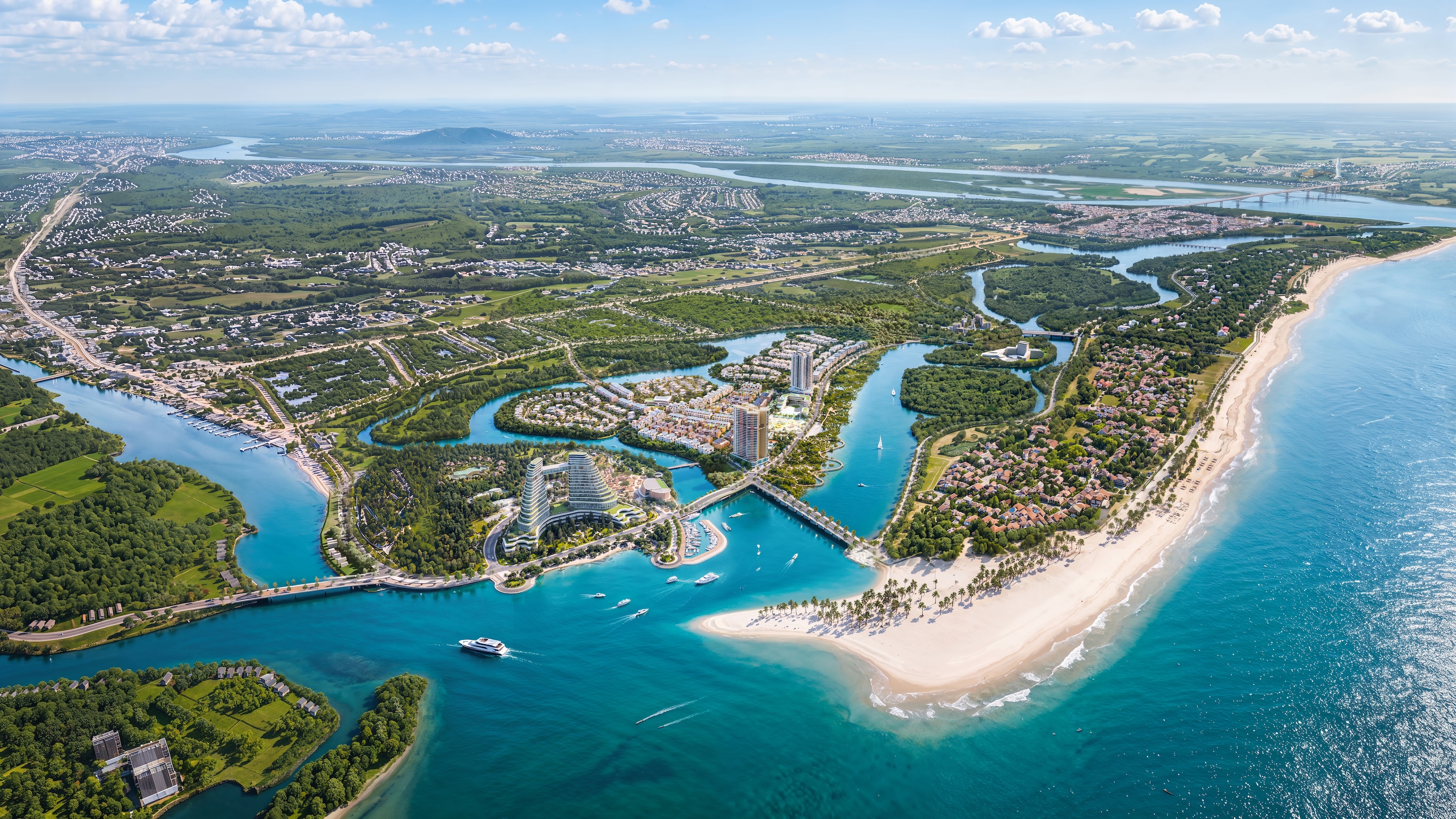
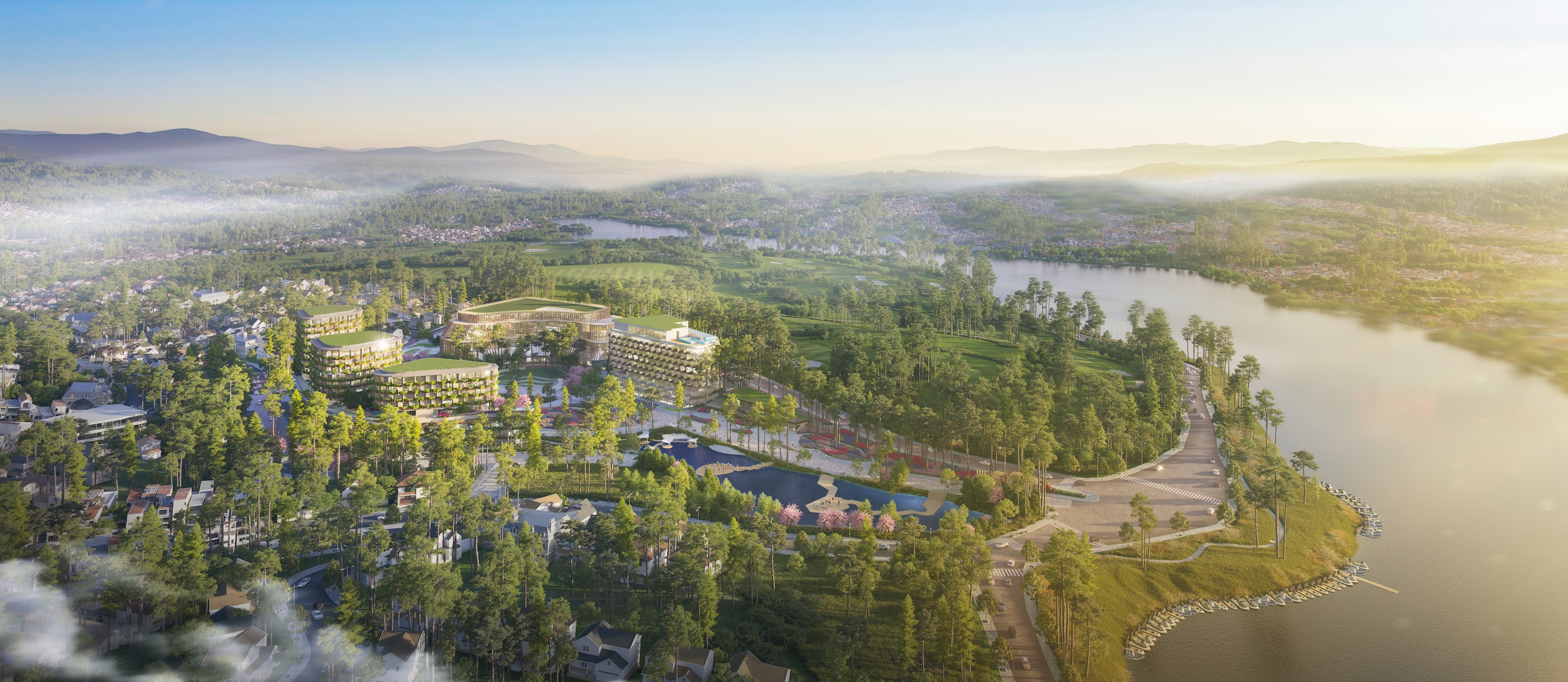
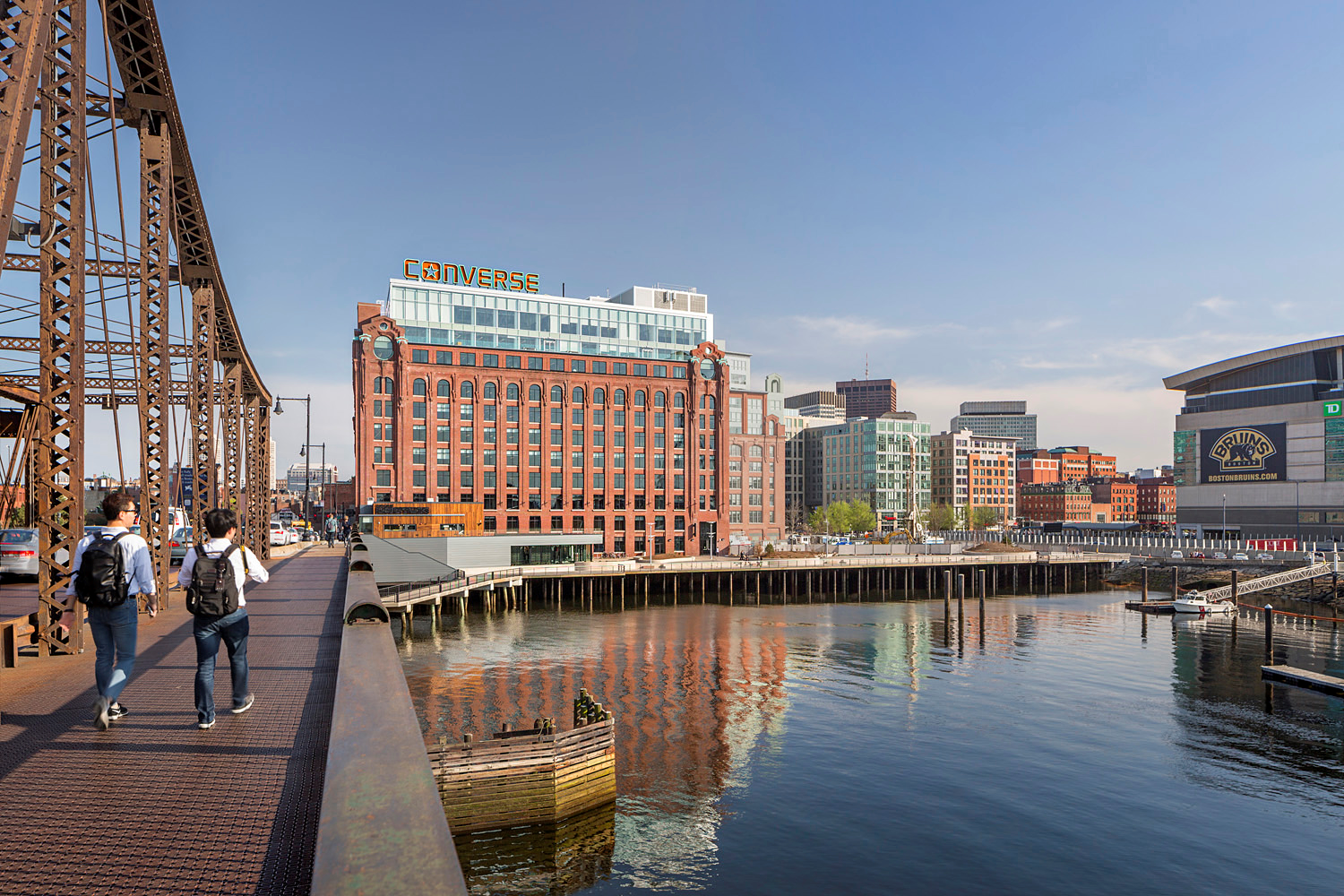
As climate change accelerates, rising sea levels increasingly threaten urban coastlines, demanding innovative architectural and urban planning responses. This journal explores strategies for resilient waterfront design, emphasizing adaptive architecture, ecological integration, and community-focused planning. By examining contemporary projects and urban interventions, the paper analyzes the potential for built environments to coexist with dynamic water systems. Reflections on design approaches illustrate how resilience can be operationalized in architecture, transforming vulnerability into opportunity while ensuring social, ecological, and economic sustainability.
Introduction
Global sea levels are projected to rise by up to 1 meter by the end of the 21st century, placing millions of coastal residents at risk. Waterfront cities - historically centers of commerce, culture, and innovation - face unprecedented pressures. Conventional approaches, such as seawalls and levees, offer short-term solutions but often disrupt natural ecosystems and isolate communities from their waterfronts. Resilient waterfront design requires a paradigm shift: from rigid defense mechanisms toward adaptive, flexible, and ecologically integrated urban environments. This journal investigates how architecture and planning can anticipate climate impacts, mitigate risks, and enhance urban livability in the face of rising seas.
In-depth Exploration of Waterfront Adaptation Strategies
1. Adaptive Architecture
Adaptive architecture is central to resilient waterfronts, allowing buildings to withstand and respond to fluctuating water levels and extreme weather events. Key strategies include:
+ Elevated construction: Buildings raised on stilts, platforms, or floating foundations prevent water intrusion while maintaining access to views and public spaces. Examples include the floating pavilions in Rotterdam and stilted homes along the Mekong Delta. Elevated structures can also incorporate public amenities beneath, creating multifunctional spaces that absorb flooding without interrupting daily life.
+ Flexible interiors and modular design: Spaces that can be reconfigured or temporarily evacuated enhance resilience. Modular walls, movable partitions, and multipurpose floors allow buildings to serve as emergency shelters during floods.
+ Durable and water-resistant materials: Concrete, marine-grade timber, corrosion-resistant metals, and composite materials reduce long-term maintenance costs and extend the lifespan of waterfront buildings.
+ Climate-responsive architecture: Incorporating natural ventilation, sun shading, and water-sensitive design elements reduces the vulnerability of structures to both floods and heat extremes.
2. Ecological Integration
Integrating natural systems into waterfront planning is essential for mitigating flooding while enhancing biodiversity and urban livability. Strategies include:
+ Living shorelines and soft edges: Using wetlands, salt marshes, mangroves, and oyster reefs as natural barriers not only buffers wave energy but also filters pollutants, supports fisheries, and improves water quality.
+ Stormwater management and retention landscapes: Rain gardens, bioswales, permeable pavements, and detention basins manage runoff and reduce urban flooding. Such systems can be integrated into parks and plazas, creating multifunctional landscapes.
+ Green corridors and riparian buffers: Connecting waterfronts with urban green networks improves air quality, reduces heat island effects, and fosters biodiversity while allowing water to flow safely during floods.
+ Urban wetland restoration: Reclaiming degraded waterfronts as wetlands enhances ecological resilience and provides opportunities for recreation, education, and habitat preservation.

A waterfront park designed for controlled flooding provides both ecological services and everyday public leisure areas
Photo Credit: Arup
3. Community-centered Planning
Waterfront resilience is not just technical, it requires social engagement. Strategies include:
+ Participatory design processes: Involving local communities in planning ensures interventions meet social needs and respect cultural heritage.
+ Multi-use public spaces: Parks, promenades, and recreational areas designed to flood temporarily allow communities to enjoy waterfronts while increasing safety during high-water events.
+ Infrastructure as social space: Combining flood protection with pedestrian walkways, cycling paths, and marketplaces strengthens community engagement and economic resilience.
+ Education and emergency preparedness: Public awareness campaigns, flood drills, and interactive urban signage inform communities about risks and foster adaptive behavior.
4. Technological and Planning Innovations
Beyond architecture and ecology, technology and urban planning play a critical role in resilience:
+ Smart water management systems: Sensors, real-time flood monitoring, and predictive modeling allow cities to prepare for extreme weather and allocate resources efficiently.
+ Integrated flood zoning: Restricting development in high-risk areas while incentivizing adaptive design in moderately exposed zones balances safety with economic growth.
+ Dynamic urban infrastructure: Roads, bridges, and utilities designed to tolerate submersion or temporary relocation prevent widespread disruption during floods.
+ Blue-green infrastructure networks: Combining water storage, drainage, and green spaces creates multifunctional urban systems that mitigate flood risk while improving livability.
5. Case Studies
The Big U - New York City: A 10-mile protective system combining berms, parks, and floodwalls around Manhattan, designed to protect communities while providing public amenities and ecological enhancements.

The Big U’s landscaped berms wrap around Lower Manhattan, protecting vulnerable neighborhoods while expanding public green space
Photo Credit: BIG Bjarke Ingels Group
Rotterdam Climate Proof: Incorporates floating architecture, green roofs, and water plazas to manage extreme rainfall and rising sea levels, demonstrating a holistic, city-scale approach.

Rotterdam’s Self-sustainable Floating Pavilions exemplify a citywide commitment to living with water rather than resisting it
Photo Credit: Publicdomain Architects
Bangkok’s Chao Phraya Riverfront: Pilot projects elevate critical infrastructure, integrate wetlands, and engage local communities in flood mitigation strategies while preserving cultural identity.

Elevated walkways and stepped terraces negotiate the shifting waterline, creating accessible public spaces resilient to monsoon surges
Photo Credit: World Monuments Fund
MOSE Project - Venice, Italy: While controversial, the mobile barrier system highlights the complexity of balancing flood defense with urban aesthetics, heritage conservation, and ecological concerns.

The MOSE mobile barrier system rises from the lagoon floor during extreme tides, forming a temporary shield against acqua alta
Photo Credit: Consorzio Venezia Nuova
Singapore’s Marina Barrage: Combines water storage, flood control, and recreational space, exemplifying multifunctional urban infrastructure that merges resilience with public amenity.

Singapore’s Marina Barrage demonstrates multifunctional infrastructure, combining flood control with recreation and water storage
Photo Credit: Singapore International Water Week
Design Reflection
Designing resilient waterfronts necessitates a holistic mindset that embraces uncertainty and flexibility. Architects must balance engineering rigor with aesthetic and social value. Resilient designs are not merely defensive; they offer opportunities for urban revitalization, improved ecological systems, and inclusive public spaces. This reflective approach underscores the importance of iterative, interdisciplinary collaboration - combining hydrology, ecology, urban design, and architecture to create landscapes that thrive despite rising seas.
Key insights for practice:
+ Resilience is multi-scalar: Interventions should operate at the building, neighborhood, and city scales simultaneously.
+ Integration over isolation: Hard infrastructure alone is insufficient; combining ecological, architectural, and social systems enhances effectiveness.
+ Temporal adaptability: Designs must anticipate both gradual sea-level rise and acute flood events, offering flexible use over time.
Closing
Resilient waterfronts represent a convergence of architecture, planning, and ecology, redefining the relationship between cities and water. Rising seas present a formidable challenge, but they also create an opportunity for innovation, ecological restoration, and inclusive urban development. By prioritizing adaptive strategies, community engagement, and ecological integration, designers can transform vulnerable coastlines into dynamic, thriving urban landscapes. The future of waterfront cities depends not solely on defense, but on imagination, on the capacity of architecture to respond creatively and responsibly to an uncertain, water-rich world.
Save this story. A free account keeps your reading list and the 07:00 email in one place.
CREATE FREE ACCOUNT →SIGN IN