Project Info
Project Name: Burnt Earth Beach House
Design Firm: Wardle (John Wardle)
Location: Anglesea, Victoria, Australia

Terracotta and timber merge into a seamless, earthy continuum
Architecture typically attempts to impose order on nature. In the windswept landscape of Anglesea, Wardle has taken a different approach. The studio has chosen to mimic the chaos of the earth itself. The Burnt Earth Beach House does not look like a pristine machine. It resembles a geological formation that has been extruded from the cliff. This project is a masterclass in material alchemy. It explores how clay, heat, and wood can combine to create a home that feels ancient from the moment of its completion.

Raw brick walls form a quiet, cave-like sleeping retreat
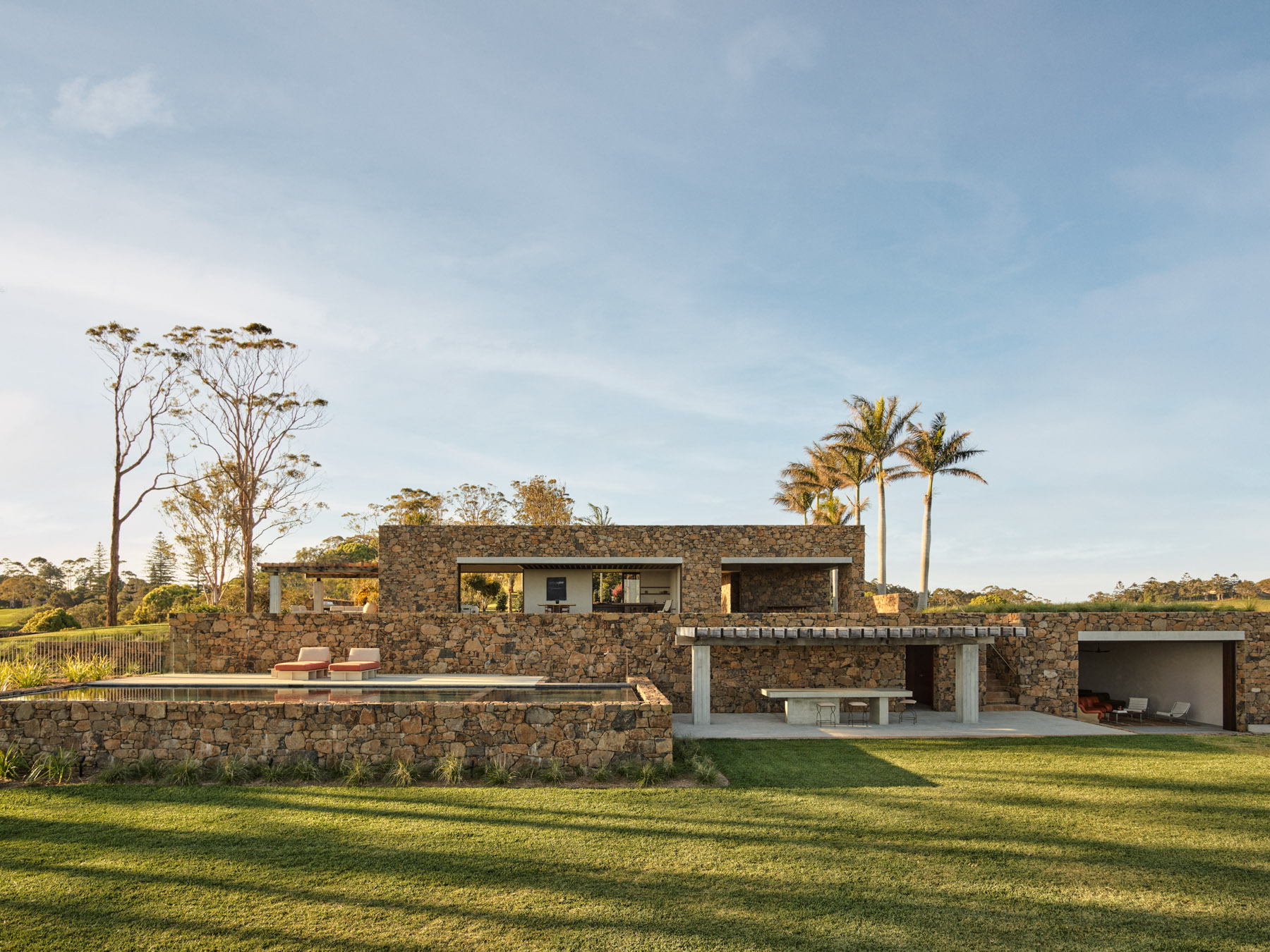
The defining feature of the residence is its skin. John Wardle collaborated with local artisans at Krause Bricks to develop a bespoke material. They created a terracotta brick with a unique, jagged profile. The clay was fired at varying temperatures. This process produced a spectrum of "burnt" colors ranging from deep ochre to scorched charcoal. The result is a facade that feels alive. It catches the harsh Australian sun and casts complex, shifting shadows. The building acts as a ceramic vessel. It anchors itself into the site with the weight and permanence of a rock formation.

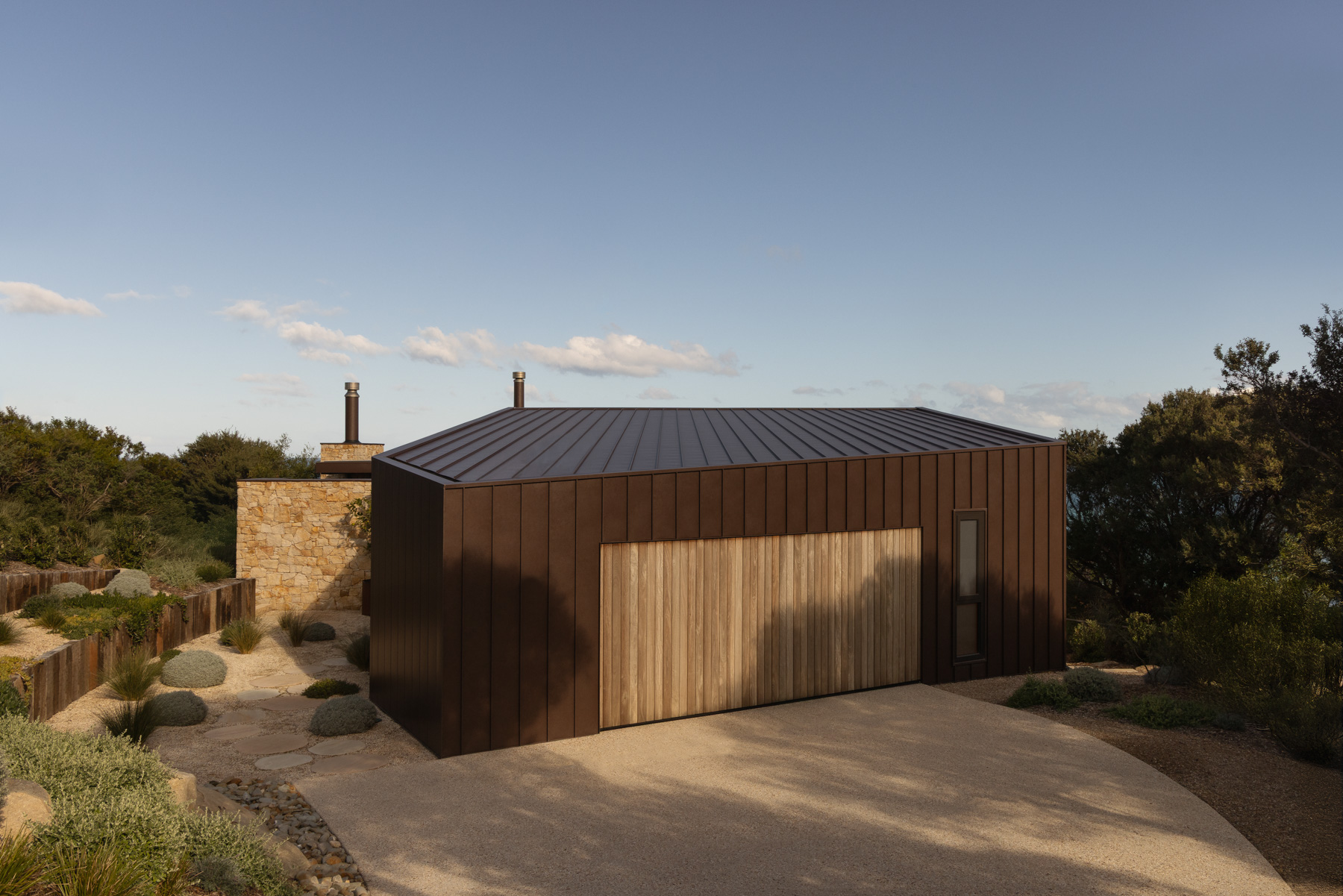
The timber envelope frames views, anchoring the home to the canopy
This choice of material is not purely aesthetic. It is a response to the threat of the environment. Anglesea is a region prone to bushfires. The terracotta acts as a fireproof shield. It protects the inhabitants while referencing the history of fire in the Australian landscape. Wardle has turned a functional necessity into a poetic expression. The house wears its armor with pride.

The sculptural brick chimney acts as an elemental ruin in the landscape
The interior offers a retreat from the rugged exterior. Wardle has lined the spaces with Spotted Gum timber. This wood is native to the area. It creates a golden, honey-colored envelope that contrasts with the rough masonry outside. The layout is designed to guide the body and the eye. The entry sequence is compressed and dark. It creates a sense of anticipation before releasing the visitor into the light-filled living areas.

A timber-lined mezzanine creates a suspended, tactile workspace
The relationship with the ocean is carefully curated. Wardle avoided the cliché of the continuous glass wall. He instead framed specific views. Windows are treated as lenses. They focus attention on the horizon, the headland, or a specific tree. This strategy makes the view feel precious. It prevents the landscape from becoming mere wallpaper.

Interior brickwork creates a grounded, monochromatic sanctuary
A central courtyard sits at the heart of the plan. It provides a sheltered outdoor room protected from the southern winds. This space connects the different wings of the house. It allows the family to live outdoors even when the weather is wild. The architecture creates its own microclimate. It nurtures a garden that softens the hard edges of the brick.

Industrial mesh and volume add playfulness to the dining zone
The Burnt Earth Beach House is a deeply personal project for John Wardle. It reflects his obsession with craft and making. Every joint and junction has been considered. The house rejects the smoothness of modern industrial construction. It celebrates the imperfection of the handmade.

Jagged custom bricks camouflage the house within the native scrub
Wardle has created a building that belongs to its place. It does not sit on the land. It feels of the land. Through the manipulation of earth and fire, the architects have forged a sanctuary that is as resilient as the cliffs it overlooks.

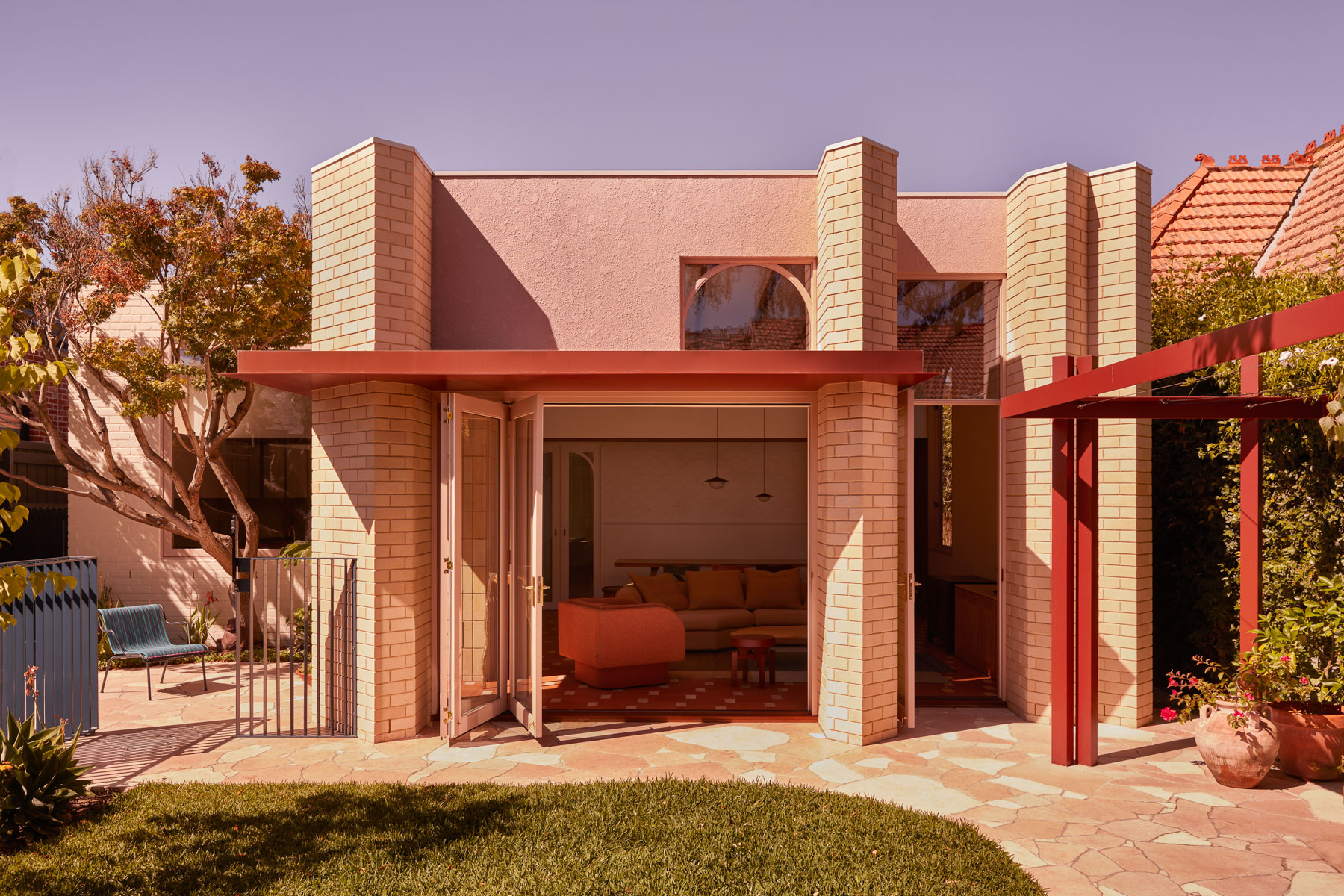
Operable glazing connects the interior to the protected courtyard
PHOTO CREDIT: Trevor Mein
Save this story. A free account keeps your reading list and the 07:00 email in one place.
CREATE FREE ACCOUNT →SIGN IN