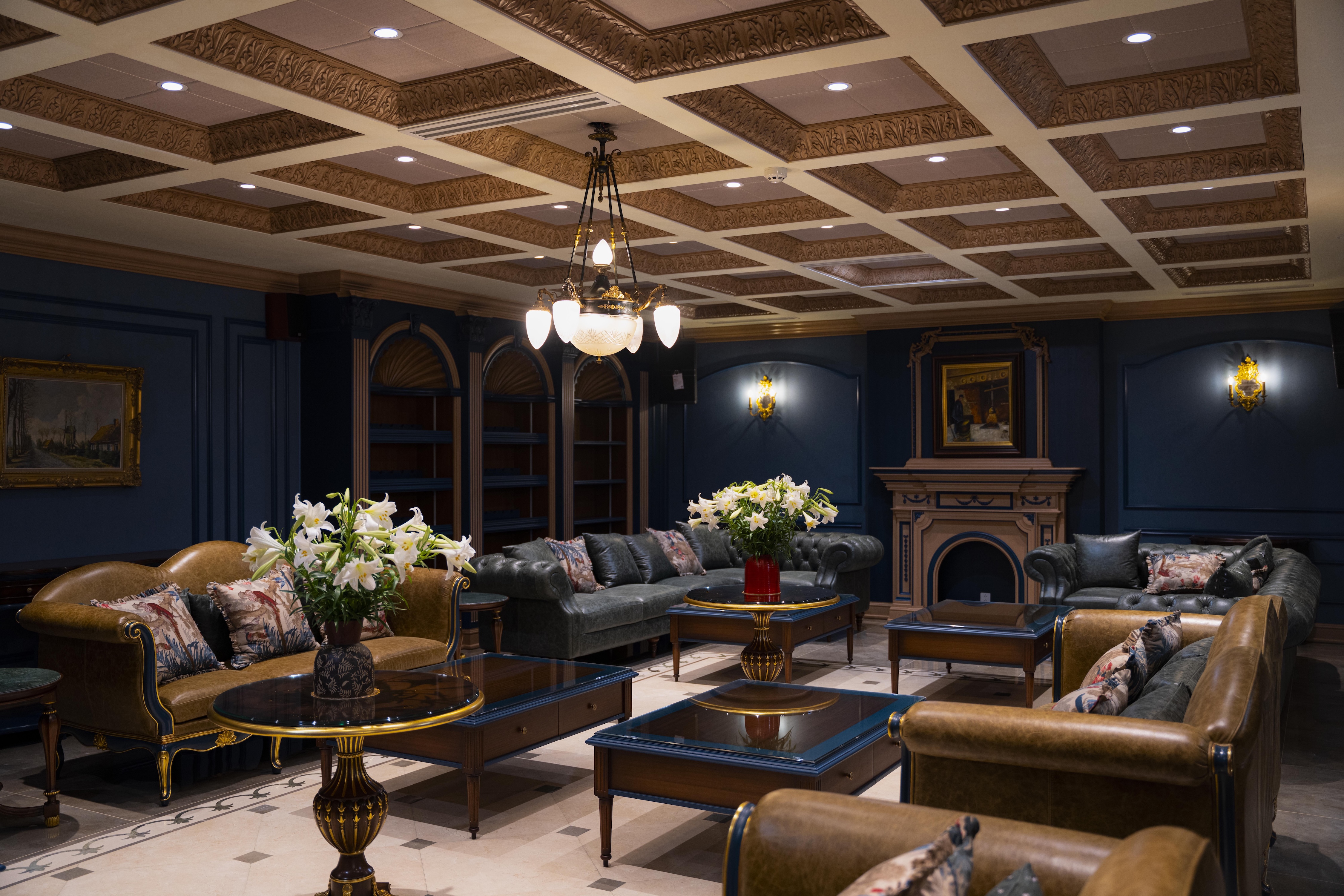
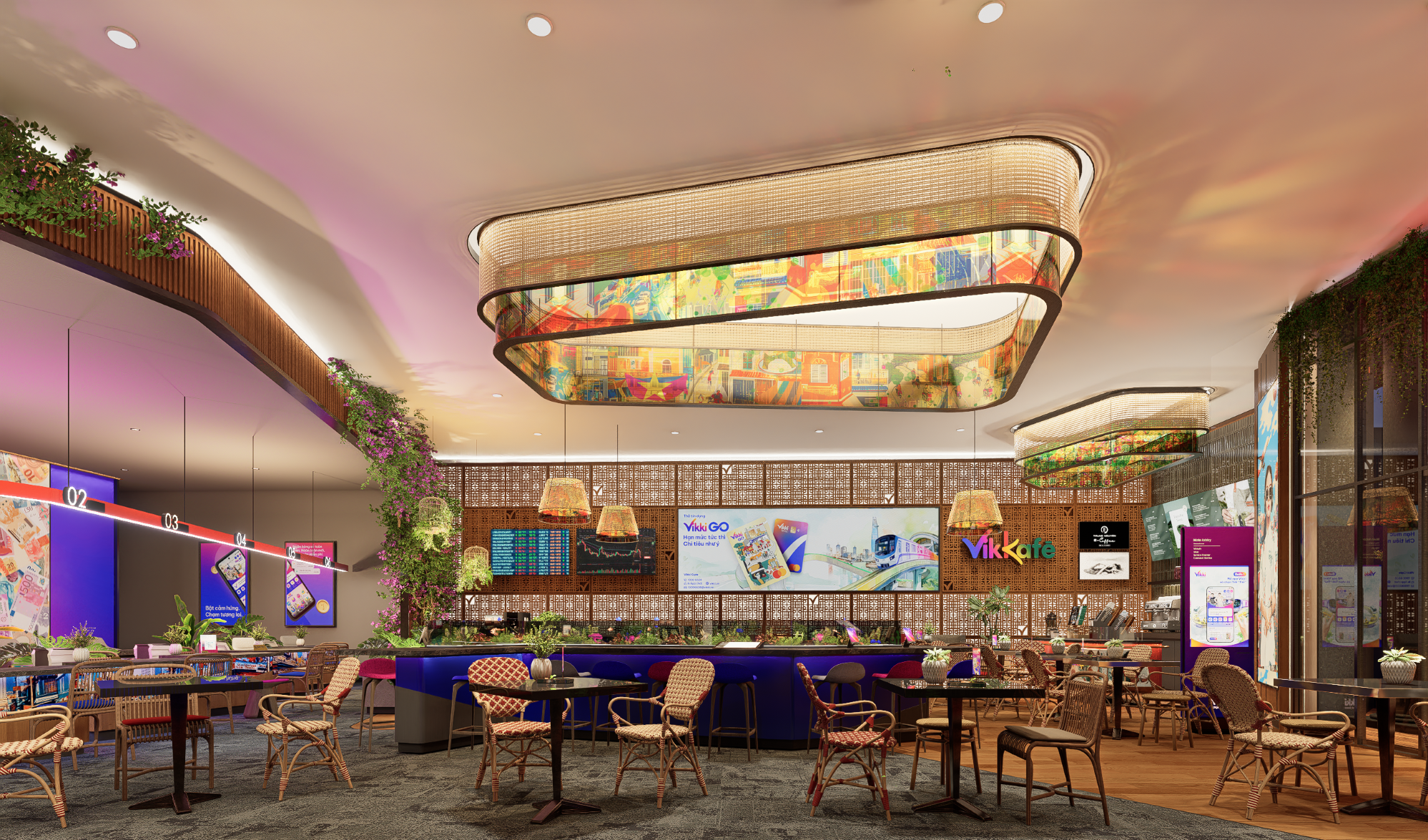
In today’s design-conscious era, the notion of a smart home has evolved dramatically. It’s no longer just about gadgets and connectivity; it’s about integrating technology so seamlessly into our living spaces that it ceases to feel like “tech” and instead becomes an elegant extension of architecture, interior design, and lifestyle. This synergy of invisible automation and refined aesthetics defines what many are calling the next chapter of residential design: the connected home, where comfort is intuitive, and visual purity remains uncompromised.
Why “Invisible Tech” Is the New Luxury
Interior designers and architects now emphasize embedding systems into the fabric of the home rather than affixing them on top. One of the fastest-growing trends for luxury homes in 2025 is “invisible technology: the rise of design-integrated installations.” Systems such as in-wall or in-ceiling speakers, hidden TV lifts, motorized art reveals, and minimalist keypads and sensors now preserve the material continuity of walls. Smart lighting tucked behind coves or furniture edges blends into architecture, while voice and gesture-based interfaces replace bulky switches. The goal is technology that works quietly behind the scenes, supporting everyday living without drawing attention to itself. For homeowners and designers alike, the promise is an environment that anticipates your needs, adapts without fuss, and remains visually calm.
The Design Perspective: How Interiors Are Changing
From the interior designer’s point of view, the challenge isn’t whether technology can be added - it’s how to integrate it so that décor, materials, and spatial flow remain intact. Architecture-first planning allows systems like lighting, wiring, and sensors to be embedded during construction rather than retrofitted. Hidden functionality and multi-purpose furniture transform everyday objects into smart devices without compromising aesthetics. Sensorial harmony, from circadian-tuned lighting to adaptive acoustics, enhances comfort, while smart materials and finishes ensure that controls and panels merge with walls, furniture, or surfaces rather than interrupting the design.
Recent Exemplars in the Field
Philips Hue’s 2025 refresh exemplifies this trend, introducing the Bridge Pro hub, capable of controlling over 150 lights and 50 accessories, along with MotionAware bulbs that double as motion sensors. The OmniGlow light-strip is designed to blend seamlessly behind furniture or architectural elements, while the Secure Video Doorbell combines lighting, security, and connectivity in a sleek, minimalist form. These innovations show how lighting and entry-control can become integrated interior elements, where automation is part of the design rather than an add-on.
Philips Hue OmniGlow strip integrates invisible lighting into living spaces
Bridge Pro hub supports large-scale home automation with minimal visual footprint
Photo Credit: Philips Hue
LIFX’s Luna smart lamp and the accompanying oval ceiling light, unveiled at CES 2025, transform standard lighting into expressive, design-friendly objects. The Luna lamp features 26 controllable color zones and built-in buttons for Matter-compatible devices, while the larger ceiling fixture offers 120 color zones. Both products demonstrate how technology can function gracefully within interior spaces, delivering intuitive automation without drawing visual attention.
LIFX Luna smart lamp brings color and connectivity seamlessly into interior design
Photo Credit: LIFX
Samsung’s AI Home concept, revealed at IFA 2025, presents a modular, pre-built dwelling that assembles in a single day and integrates AI-driven appliances, SmartThings automation, and a unified control platform. Lighting, blinds, and climate adjust automatically to daily routines, while multi-purpose rooms can transition seamlessly into different modes. By conceiving automation as an inherent part of architecture, Samsung illustrates how technology can enhance everyday living while remaining visually unobtrusive.
Samsung’s AI Home 3D Map View Feature
Photo Credit: Samsung
Brilliant NextGen’s 2025 smart home control panels elevate wall-mounted interfaces into minimalist design elements. Their high-resolution touchscreens replace traditional light switches, offering full home automation while maintaining a flush, sleek aesthetic. Embedding advanced controls into the surfaces of walls preserves the visual purity of interiors while providing responsive, largely invisible technology.
Brilliant NextGen panels embed smart controls into walls, preserving clean lines
Photo Credit: Brilliant Tech
Amazon’s Fire TV Omni QLED series, launched in 2025, extends the concept of connected living to large-format displays. When not in use, the screen can show artwork or widgets and adjust dynamically to room occupancy, blending seamlessly into the living space. Integration with Alexa+ transforms the TV into a smart home hub, allowing entertainment devices to also manage automation. This approach exemplifies how devices can serve multiple functions, enhancing the home experience without compromising aesthetics.
Fire TV Omni QLED doubles as an ambient art display when not in use
Photo Credit: Amazon
Achieving Intuition Without Visual Noise
To strike the right balance between automation and aesthetics, designers suggest a few key principles:
+ Choose systems that vanish into the background: Hidden speakers, integrated lighting strips, controls masked in surfaces. (See trend summary: “smart home technology is meant to be felt, not seen.”)
+ Design with experience in mind: Rather than “turn this on/off” think “how does this space feel when I walk in?” Voice, gesture, or context‑aware control (e.g., lights dim when curtains close) matter.
+ Material harmony matters: Surfaces, finishes and furniture should incorporate tech elegantly - not fight it. Smart panels can match wall textures; sensors can use the same finish as architecture.
+ Flexibility and silence: Automation should be unobtrusive - no blinking lights, no bulky hubs, no visible wiring. Systems should learn and adapt.
+ Human scale and warmth: The goal isn’t to showcase tech, it’s to enhance human comfort, well‑being and the emotional quality of space. Techniques such as circadian‑tuned lighting, adaptive acoustics and climate control all contribute.
Looking Forward
As we move through 2025 and beyond, a few emerging themes will matter:
+ Homes will be ecosystems, not just devices: Appliances, furniture, spaces and controls communicate and coordinate.
+ Spatial‑aware intelligence: Systems will understand not just device names but "the light near the window" or “the zone by the sofa”. Researchers call this spatial context‑aware control.
+ Materials themselves will carry tech: “Smart materials” like opaque‑to‑transparent glass, walls that act as speakers or surfaces that self‑repair mean the boundary between structure and device will blur.
+ The overall ambience will matter more than individual gadgets: Lighting tuned to circadian rhythms, acoustic control tuned to day/night, environments that adapt to mood rather than just respond to commands.
Conclusion
The connected home of the future isn’t about more gadgets; it’s about better integration. It’s a space where automation fades into the background, and the design of interiors takes center stage. Designers who succeed will think in terms of experience, materiality, and invisible intelligence, crafting homes that are anticipatory, responsive, and deeply human - spaces where technology serves life, not the other way around.
Save this story. A free account keeps your reading list and the 07:00 email in one place.
CREATE FREE ACCOUNT →SIGN IN