Project Info
Project Name: Museo Casa Kahlo (Casa Roja)
Architects: Mariana Doet Zepeda Orozco
Experience & Exhibition Design: Rockwell Group
Identity & Graphic Design: Pentagram
Location: Coyoacán, Mexico City, Mexico

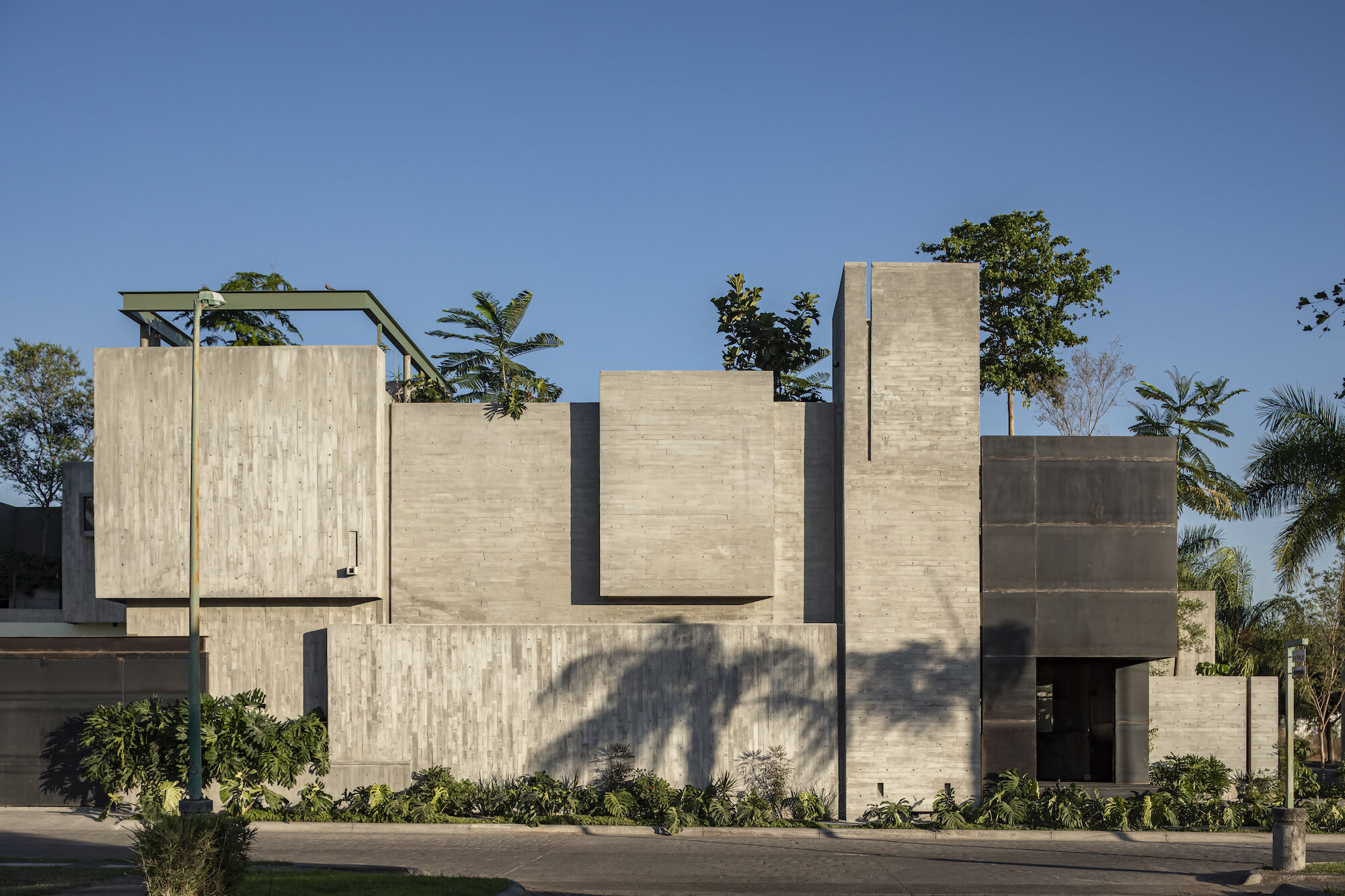
Earthy terracotta defines the Casa Roja's entry, grounding the experience
For decades, the pilgrimage to Coyoacán has been defined by a singular shade of cobalt. The Casa Azul is a global icon, a shrine to the mythological Frida—the surrealist, the revolutionary, the icon. But just doors away, a quieter, perhaps more profound story has been waiting in the shadows. Now, with the opening of Museo Casa Kahlo (also known as Casa Roja), the narrative completes its circle.

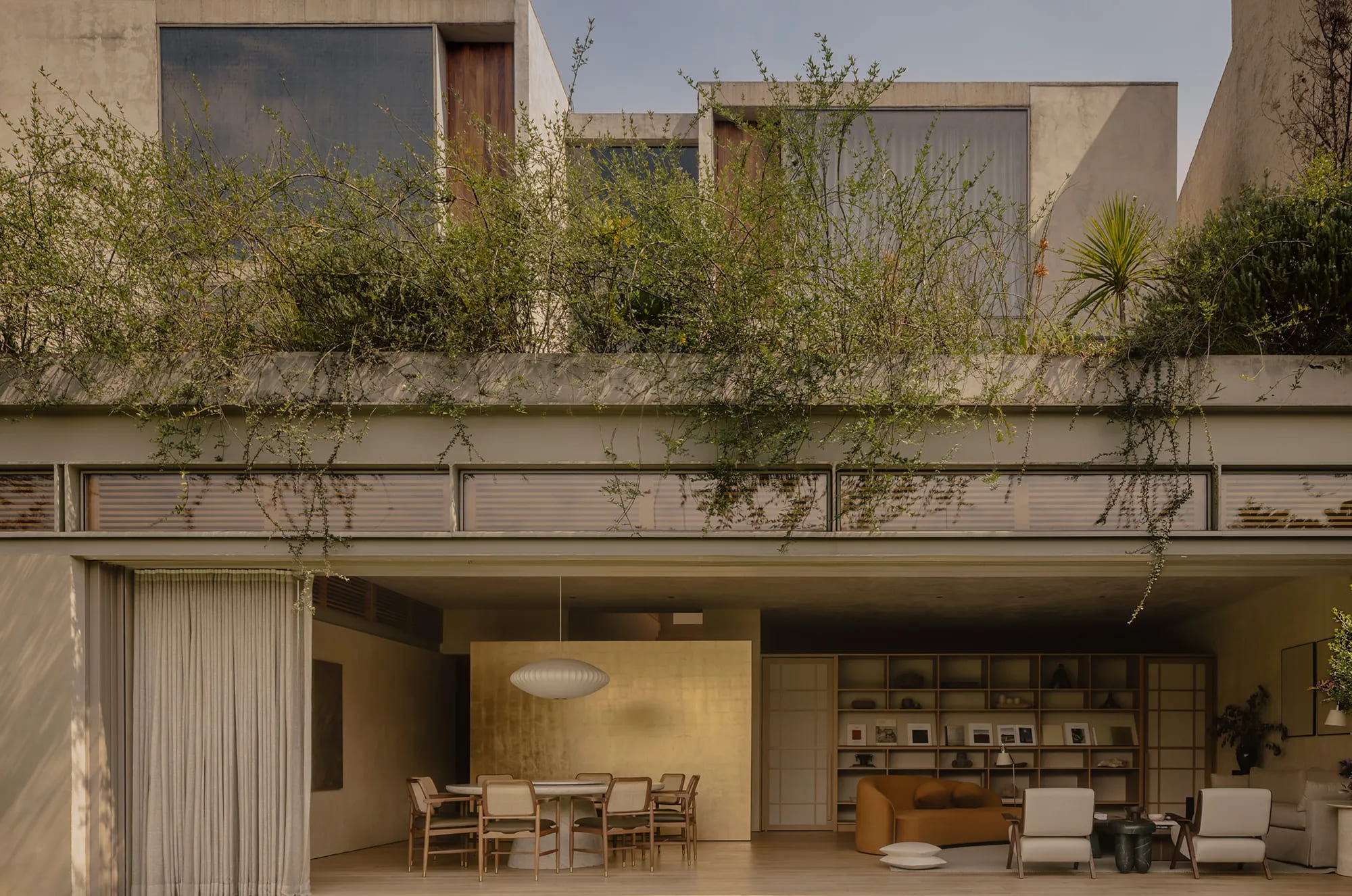
The restored courtyard is the heart, breathing life into the family home
Architect Mariana Doet Zepeda Orozco, in collaboration with Rockwell Group and Pentagram, has transformed this historic family residence into a sensory vessel of memory. Unlike its neighbor, which projects the artist’s bold public persona, the Red House invites us into the fragile, formative interiority of Frida before she became an icon.

The kitchen preserves domesticity and features Frida’s hidden wall mural
A Dialogue of Color and Lineage
The architectural intervention by Mariana Doet Zepeda Orozco is one of forensic sensitivity. The structure, originally acquired by Kahlo’s parents and later the home of her sister Cristina, required a delicate hand. Doet Zepeda Orozco hasn't imposed a contemporary manifesto upon the walls; instead, she has acted as an archaeologist of atmosphere.

Private artifacts are displayed within the quiet, restored bedroom setting
The façade’s terracotta hue—the "Roja" to the "Azul"—has been revitalized not as a brand, but as a grounding earth tone, connecting the building to the volcanic soil of the Pedregal. The restoration prioritizes the tactile: rough-hewn timber, cool stone floors, and the gentle imperfection of hand-troweled plaster. It feels lived-in, breathing with the history of a family that hosted the tumult of the 20th century.
The Domestic as Museum
Where traditional museums sterilize, Museo Casa Kahlo embraces the clutter of life. The design philosophy, amplified by the Rockwell Group’s experiential scenography, treats domesticity as high art. The visitor journey is not a linear march through galleries but a meandering path through a home.

Dark cabinetry provides contrast, highlighting fragile artifacts with museum precision
The heart of this experience is the kitchen, a space that feels as though the occupants have just stepped out. Here, conservationists have revealed Frida’s only known mixed-media mural—a depiction of the courtyard’s grapefruit tree—embedded directly into the wall. It is a stunning, permanent mark of the artist on the architecture itself, blurring the line between shelter and canvas.

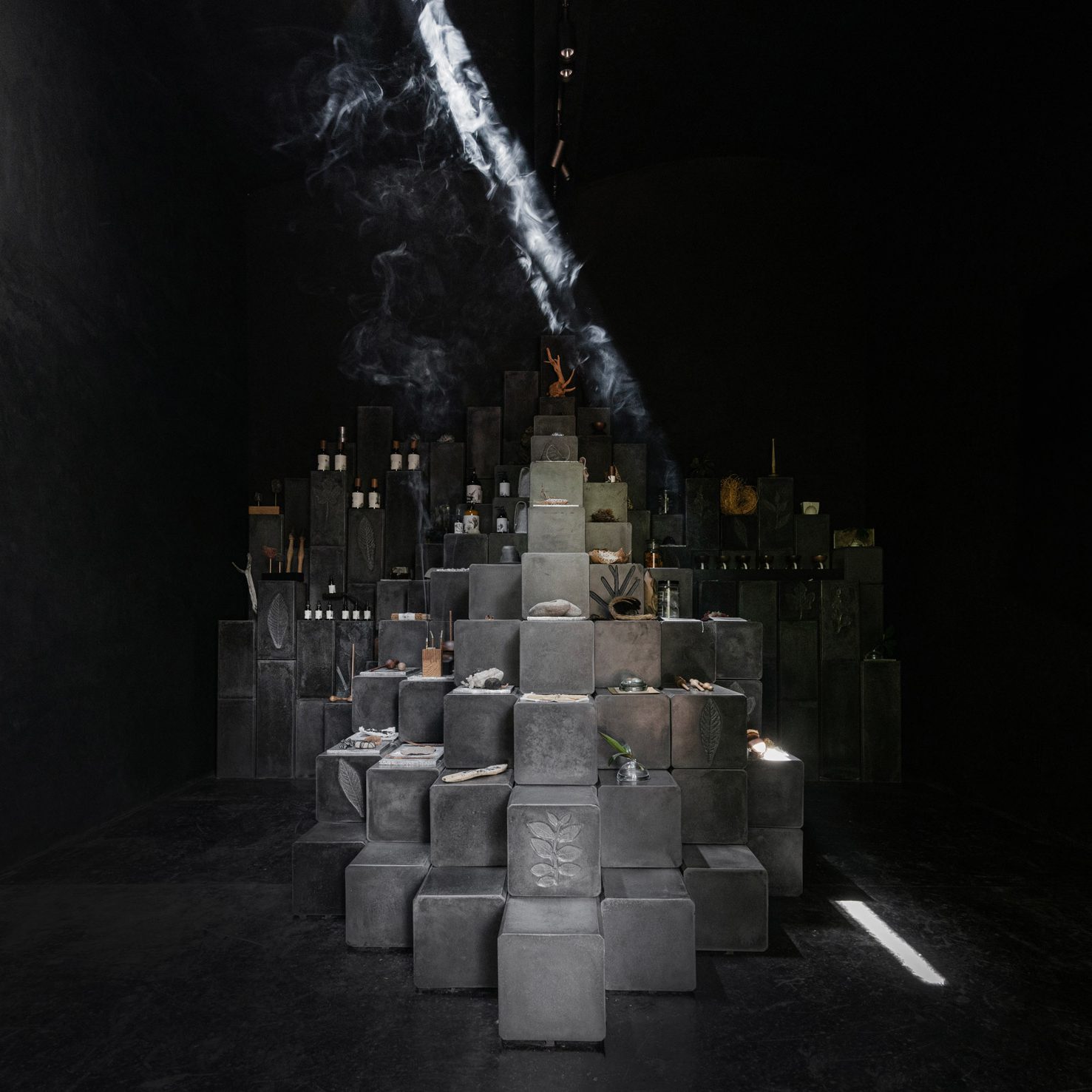
The newly opened basement serves as a contemplative space for her deepest memories
Moving deeper, the architecture reveals its secrets. A previously sealed basement has been opened, accessible via a newly reconstructed set of circular steps. This subterranean chamber, once Frida’s private retreat from the physical pain that plagued her, is treated with the reverence of a chapel. Low lighting and acoustic dampening create a womb-like silence, allowing visitors to examine intimate artifacts—letters, dolls, medical corsets—without the distraction of the outside world.

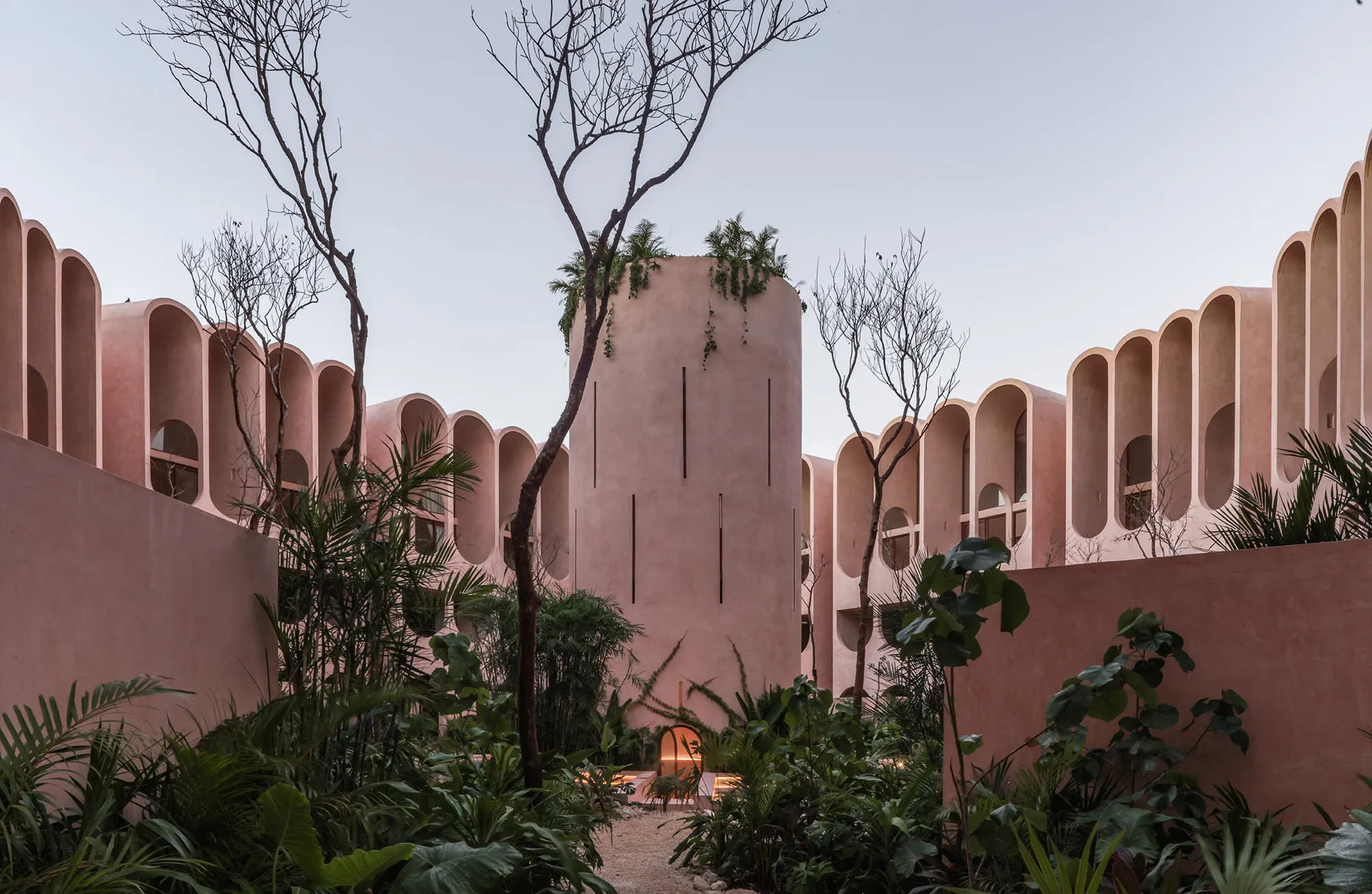
The illuminated courtyard acts as an intimate, nocturnal sanctuary
Gardening the Void
The courtyard, the traditional lungs of Mexican architecture, has been replanted to reflect the botanical diversity that inspired Frida’s father, Guillermo. It acts as the transitional membrane between the private rooms and the public reception. Doet Zepeda Orozco has introduced subtle modern seating and shading elements, but the focus remains on the biological architecture: the ferns, the cacti, and the ancient trees that witnessed the Kahlo sisters growing up.

The architecture presents family life as high art, focusing on biographical intimacy
A New Cultural Anchor
Museo Casa Kahlo does not compete with the Casa Azul; it grounds it. It offers the "human" counterweight to the "myth." Mariana Doet Zepeda Orozco has successfully crafted a space that feels less like a tourist destination and more like a recovered memory. In a city of loud gestures, the Red House is a quiet revelation, reminding us that behind every stroke of genius lies a family, a home, and a history written in brick and mortar.
PHOTO CREDIT: Rafael Gamo
Save this story. A free account keeps your reading list and the 07:00 email in one place.
CREATE FREE ACCOUNT →SIGN IN