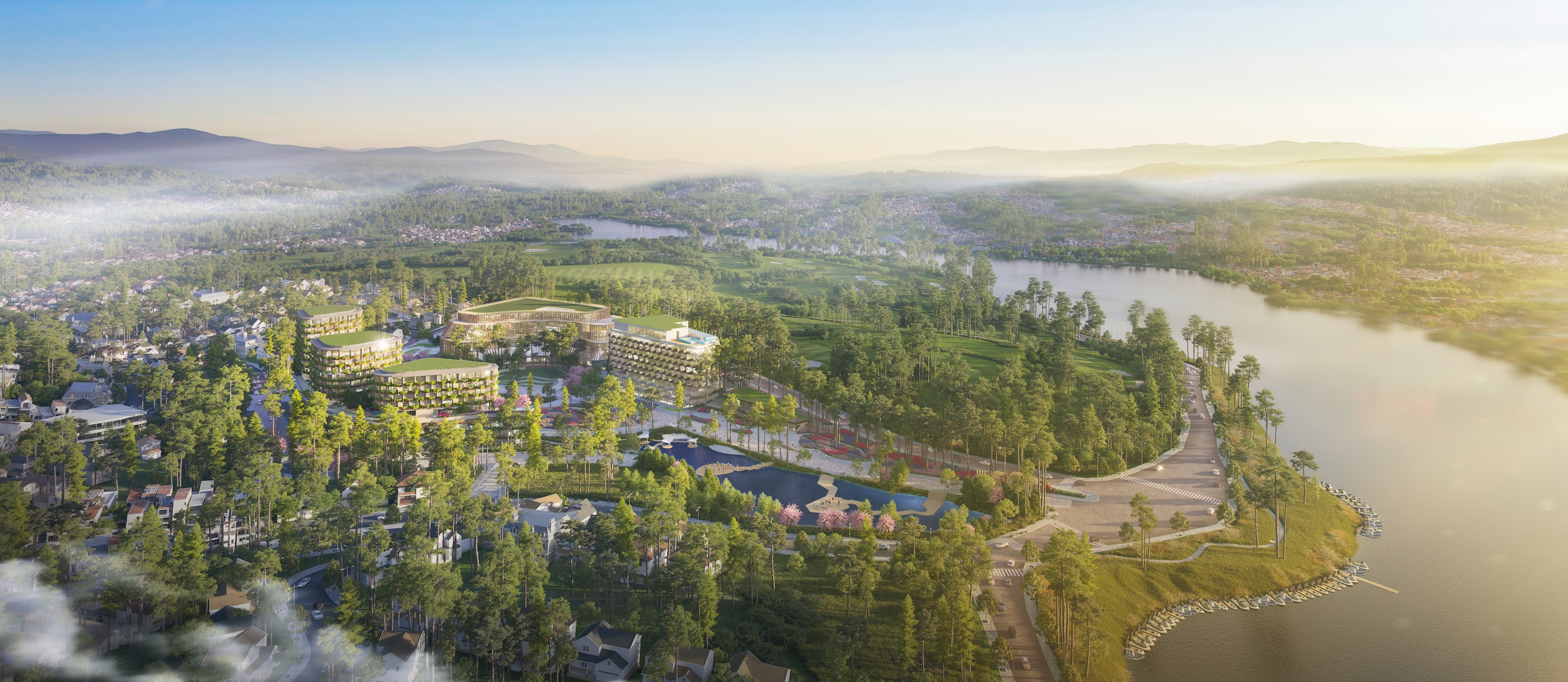
Soft yet sophisticated, natural yet versatile - sage green has quietly become the defining hue of contemporary design. More than just a passing trend, it is a color of balance and introspection, bridging the human need for calm with the modern pursuit of sustainability and authenticity. Across interiors and exteriors alike, sage green brings harmony, softening the boundary between built form and the natural world.
A Shade Rooted in Nature
Sage green draws its depth from the natural world - a muted blend of green, gray, and silver that recalls the texture of leaves, moss, or weathered stone. Its subtlety makes it a timeless choice for designers seeking to evoke stillness without sterility. Unlike vivid greens that dominate a space, sage green invites a quiet dialogue with its surroundings. It pairs effortlessly with organic materials such as wood, clay, linen, or stone, and balances well with metals or concrete to create a palette of calm, contemporary restraint.
Architectural Calm: Spaces that Breathe
Sage green possesses a remarkable ability to make spaces feel both alive and serene. Whether used on interior walls, furniture, façades, or detailing, it introduces an atmosphere of balance that allows architecture to breathe. Its muted tone softens light and defines spatial rhythm, making rooms feel open yet grounded.
Aesop NEWoMan Takanawa's serene space invites calm exploration, embodying retro - futuristic vision with timeless, monochromatic tranquility
Photo Credit: TORAFU ARCHITECTS
In expansive environments, sage green can unify the visual experience, drawing connections between structure, material, and nature. In intimate settings, it provides a cocooning calm that enhances focus and comfort. Designers often layer it with tactile materials - from brushed metals to textured plaster and natural textiles - to create subtle contrasts that enrich depth without overwhelming the eye.
The design lesson lies in restraint. Sage green is most powerful when it complements rather than competes. Used with intention, it can bring human warmth to minimalism, lend softness to modernity, and add timelessness to contemporary forms. When paired with natural light, it transforms static spaces into living, breathing environments that soothe, inspire, and endure.
Fragmentos Studio designed a sage green-toned facade for a renovated building in Lisbon
Photo Credit: Ivo Tavares Studio
Interiors that Nurture the Soul
Inside, sage green has become a favored neutral for spaces seeking softness without monotony. In living rooms and bedrooms, it establishes a gentle backdrop that encourages rest and reflection. In kitchens or dining areas, it connects domestic rituals to the rhythms of nature, especially when paired with earthy textures and natural light.
Sage green creates a calming motif in a chic Parisian pied-à-terre, styled by After Bach Studio
Photo Credit: Vincent Leroux
The color’s adaptability offers an important interior design lesson: tone and texture matter as much as hue. A matte sage wall absorbs light for a soothing effect, while a satin or glazed finish introduces quiet elegance. Layering multiple shades of green - from pale sage to deep olive - creates depth and dimension without overwhelming the senses.
An open-plan kitchen bathed in sage and natural light showcases how the hue bridges functionality and calm
Photo Credit: deVOL
A serene bedroom wrapped in sage green tones - where soft walls, linen textures, and muted light create a haven of quiet restoration
Photo Credit: Note Design Studio
The Psychology of Calm and Balance
Beyond aesthetics, sage green speaks to our psychological need for equilibrium. Green has long been associated with renewal and growth, but sage’s muted character adds emotional maturity. It evokes mindfulness - a reminder to pause, breathe, and reconnect. In wellness spaces, offices, and hospitality design, this color can subtly influence mood, encouraging focus, comfort, and a sense of belonging.
For designers, this offers a valuable insight: color is not decoration alone; it is a silent form of communication that shapes behavior and emotion.
A Color for the Future
As design moves toward biophilia and sustainability, sage green’s rise feels inevitable. It resonates with a collective yearning for simplicity and connection - a palette grounded in ecology and emotion. When used with restraint and sensitivity, it reinforces design principles of timelessness, balance, and human wellbeing.
Ultimately, the rise of sage green reflects a new aesthetic philosophy: one that values quiet strength over spectacle. It is a universal shade of calm - enduring, grounding, and deeply human - reminding us that true beauty often speaks in whispers.
Save this story. A free account keeps your reading list and the 07:00 email in one place.
CREATE FREE ACCOUNT →SIGN IN