Indoor air quality in apartments can be influenced by various factors related to building design, ventilation, and HVAC systems. While residents may notice stale or uncomfortable air, the underlying causes often extend beyond individual habits and lie in the structure and systems of the building itself.
Airflow Patterns and Building Layout
The way air moves through an apartment building is shaped by its architectural design. Unlike standalone houses, apartments share walls, ceilings, ventilation ducts, and pressure pathways with neighboring units. This shared circulation can allow air, along with odors, moisture, and small particles, to move between units and common spaces.
Many multi-unit buildings also have limited opportunities for cross-ventilation because units often have windows on only one side, and windows may be sealed to improve energy efficiency. As a result, natural ventilation may be restricted, and air exchange with the outdoors may depend primarily on mechanical systems.
These conditions align with broader observations in studies of indoor environments: mechanical ventilation systems and design details influence air movement and quality in multifamily buildings, and inadequate ventilation can contribute to accumulation of indoor pollutants.

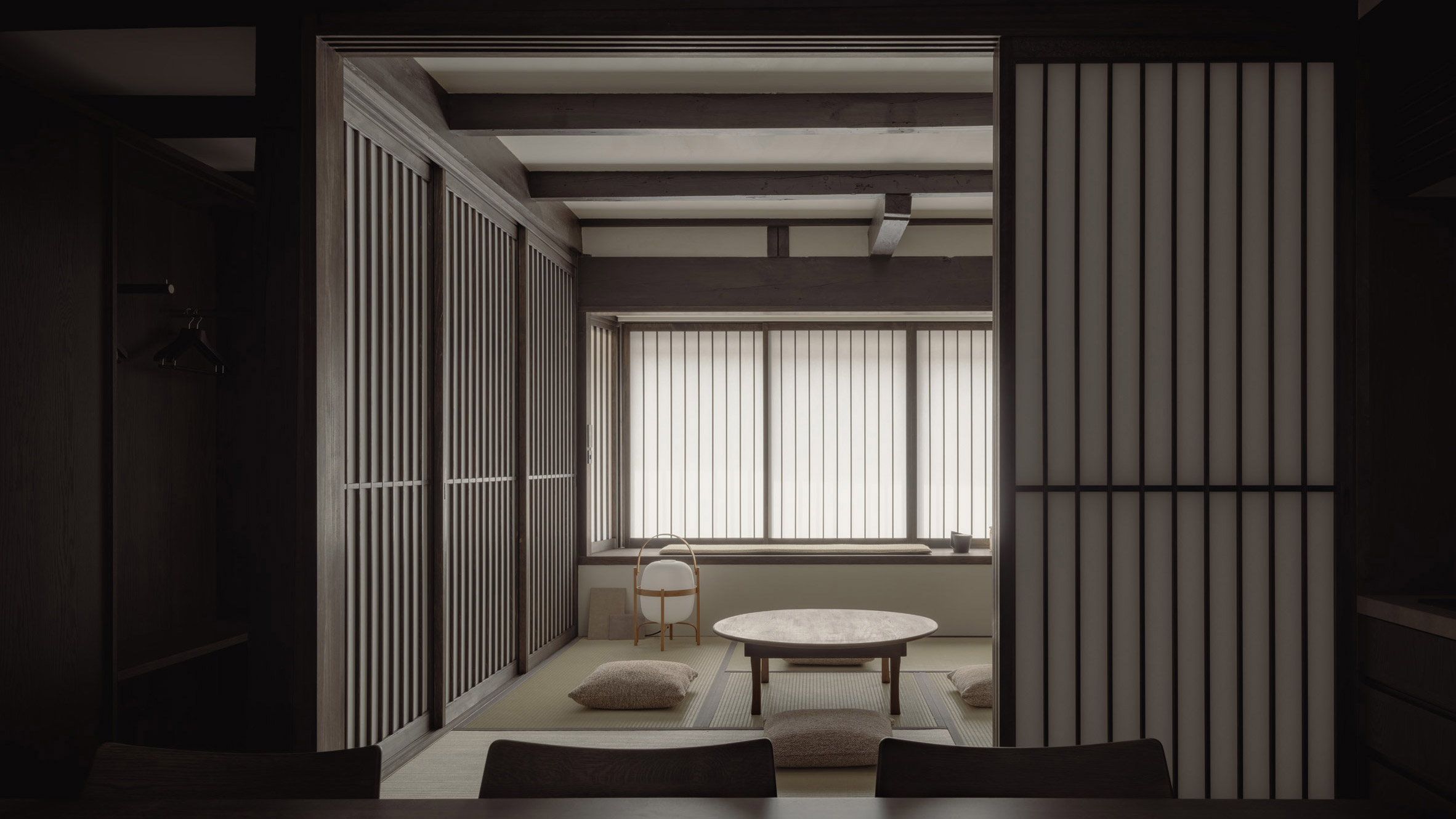
Apartment layouts and glazing design affect how fresh air enters and moves through living spaces
Photo Credit: E Plus A Atelier
Building Materials and Indoor Pollutants
Materials used in construction and interior finishes, such as cabinetry, flooring, adhesives, and paints, can release volatile organic compounds (VOCs) and other emissions into indoor air. These emissions tend to be more noticeable in smaller or more airtight living spaces, where pollutants have fewer pathways to dissipate. Older buildings can also contribute to indoor particulate levels through dust, aging materials, and worn finishes.

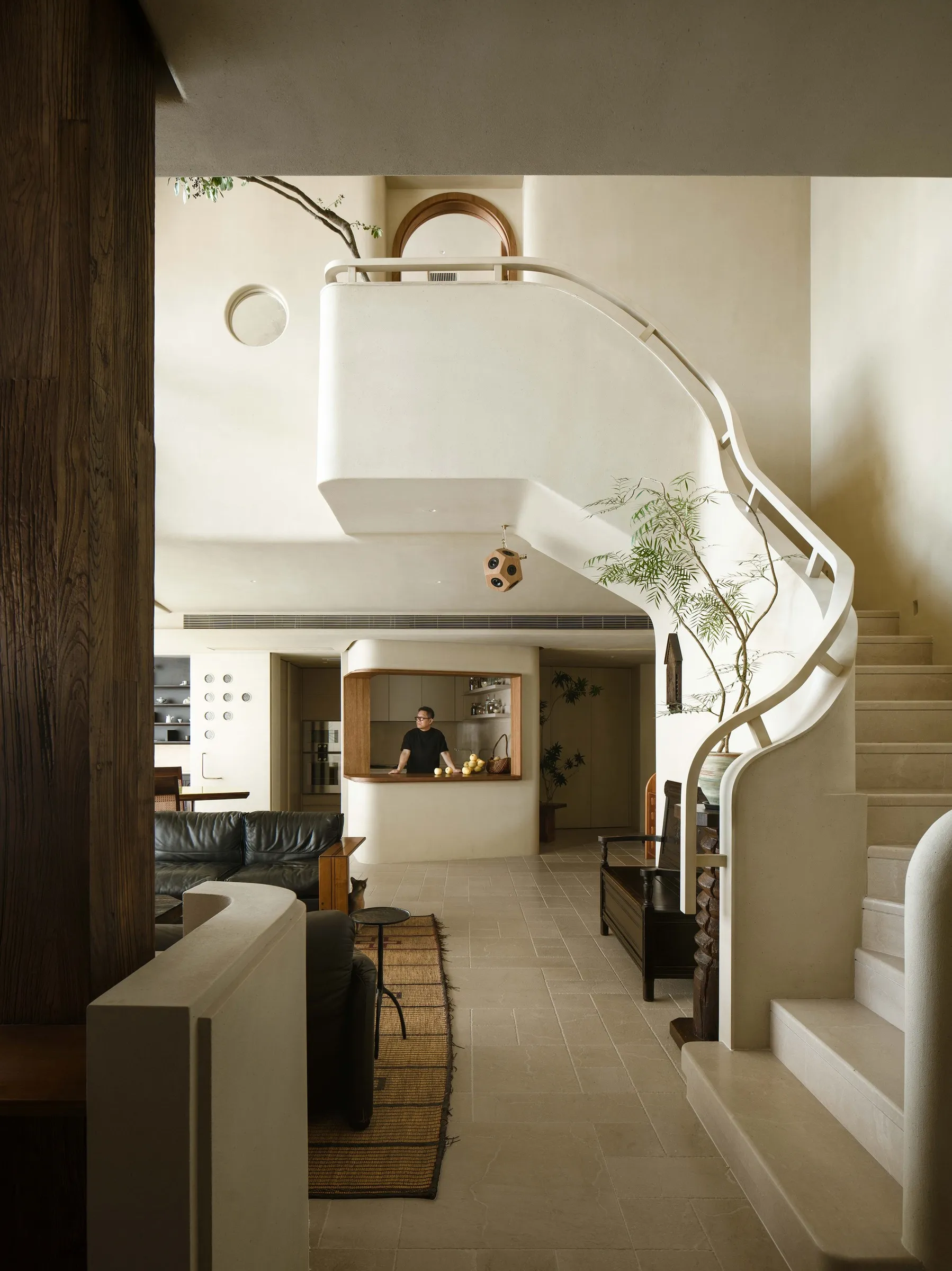
Common kitchen materials and surfaces may influence indoor air conditions over time
Photo Credit: Round Three Photography
Role of HVAC Systems
Heating, ventilation, and air conditioning (HVAC) systems play a central role in how air circulates and is conditioned in apartment buildings. In many cases, HVAC systems are designed primarily to control temperature rather than to optimize air quality. Filters in these systems vary in quality, and if systems are not regularly maintained, their effectiveness in capturing particulates and other contaminants can be limited.
Centralized HVAC systems may circulate the same air through multiple units unless there is provision for fresh outdoor air intake. In such cases, the role of filtration becomes more important as one of the few mechanisms through which air quality may be improved within each apartment.
External research on indoor environments suggests that properly designed and maintained ventilation and HVAC systems can address many common air quality concerns. This includes ensuring adequate outdoor air supply, effective filtration, and regular operational checks.

Centralized HVAC equipment plays a key role in regulating temperature and air circulation in multi-unit buildings
Photo Credit: SAM Mechanical
Control and Maintenance
Some aspects of indoor air quality are fixed once a building is constructed, such as its layout and core ventilation infrastructure. Residents may have limited influence over these elements. However, occupants can take steps within their control, such as choosing higher-quality filters, scheduling regular HVAC maintenance, and monitoring indoor conditions, to help manage the quality of the air in their units.
Building owners and managers also play a role in maintenance and system upgrades, including routine filter replacement and ensuring that ventilation operates as intended. Coordination between occupants and building management may support ongoing improvements in indoor air conditions.

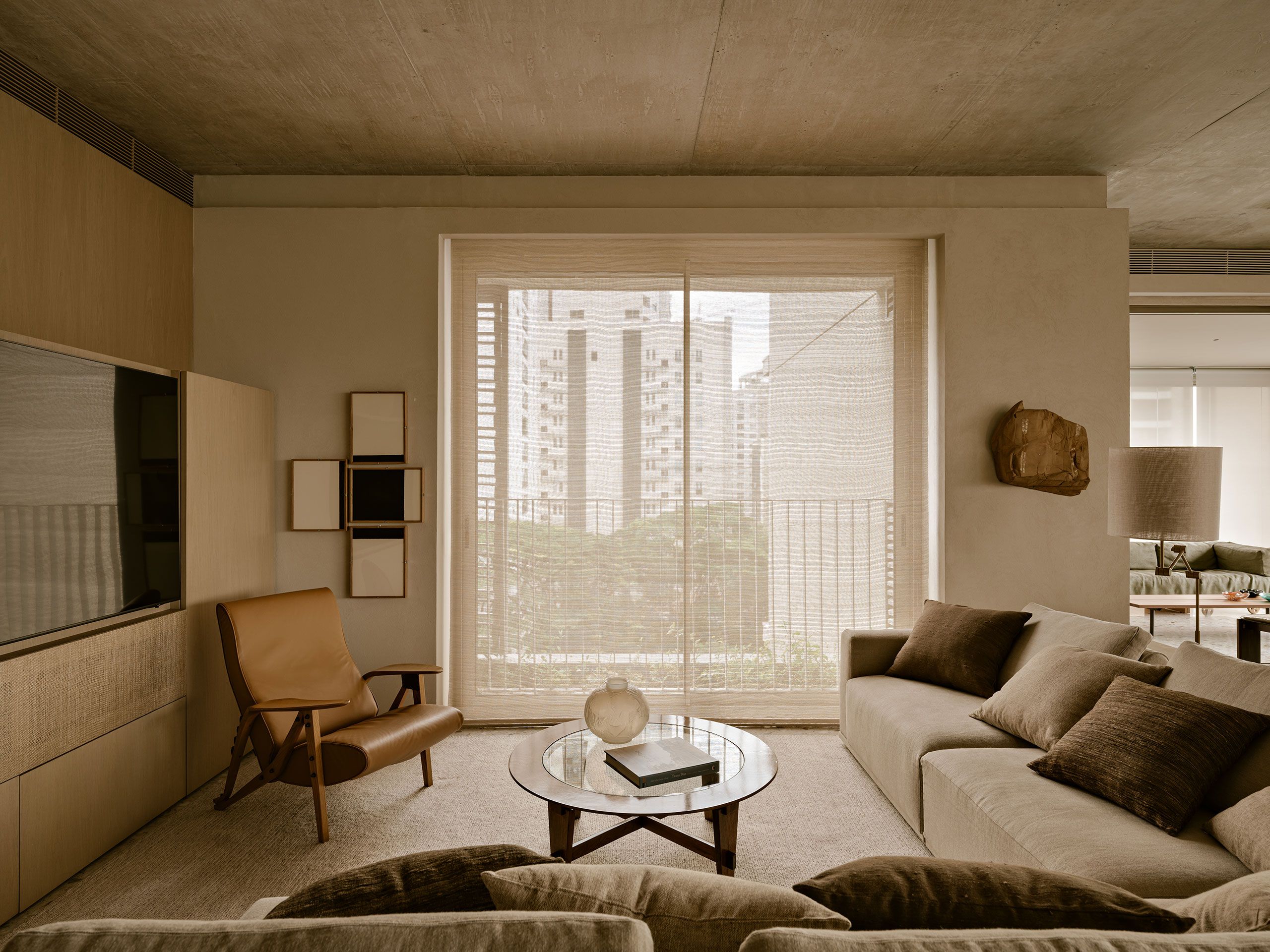
Regular maintenance and window operation can support better indoor air conditions in living spaces
Photo Credit: Fran Parente
Conclusion
Indoor air quality in apartments is affected by a combination of building design, ventilation efficiency, HVAC system performance, and indoor sources of pollutants. Recognizing these multiple factors can help both residents and property managers better understand how air quality arises and identify practical approaches to improve it within the structural constraints of a particular building.
Save this story. A free account keeps your reading list and the 07:00 email in one place.
CREATE FREE ACCOUNT →SIGN IN