Abstract
The construction industry is one of the largest contributors to global waste, producing nearly one-third of the world’s total solid waste annually. At the same time, the luxury design sector is often criticized for its resource-intensive processes and high material consumption. Yet a new paradigm is emerging at the intersection of sustainability and high-end aesthetics: the upcycling of construction waste into refined finishes and luxury products. This journal examines how architects, designers, and developers are rethinking waste as a resource, transforming discarded stone, timber, glass, and metal into five-star finishes for hotels, residences, and branded spaces. Drawing on international case studies, design lessons, and emerging practices, it explores how “upcycled luxury” challenges traditional notions of value, reshapes material supply chains, and sets new standards for sustainable luxury.
Introduction
Luxury design has long been associated with rarity, exclusivity, and pristine materials. Marble slabs imported from distant quarries, rare hardwoods, and custom-fabricated metals have shaped the image of opulence. But in an age of climate urgency, designers are asking: Can luxury coexist with waste?
The answer is increasingly yes. Far from compromising on beauty or performance, innovative practices in material upcycling are proving that construction waste can be recast as refined finishes, elevating both environmental responsibility and aesthetic distinction. By reframing waste as raw potential, designers are uncovering new forms of value and authenticity - not in spite of imperfections, but through them.
The Scale of the Waste Challenge
+ Global impact: According to the World Bank, construction and demolition (C&D) waste accounts for over 30% of total global waste. In the U.S. alone, more than 600 million tons of C&D debris were generated in 2018, nearly double the volume of municipal solid waste.
+ Material breakdown: This includes concrete, stone, brick, metal, glass, and wood - materials with high durability and aesthetic potential that are often discarded prematurely.
+Lost opportunity: Industry estimates suggest that up to 90% of C&D waste could be reused or recycled if proper processes and design thinking were applied.
These figures underline the urgency - and opportunity - for turning waste into a valuable design resource.
From Waste to Luxury: Real-life Examples
The Les Bains Hotel, Paris
The historic Parisian nightclub turned luxury hotel embraced upcycling by reusing salvaged wood, mosaics, and stone fragments from its former life. The resulting interiors blend heritage with sustainability, telling a story of continuity and transformation while offering guests a tactile sense of authenticity.

Historic mosaics and salvaged materials breathe new life into Parisian luxury
StoneCycling’s Waste-based Bricks®
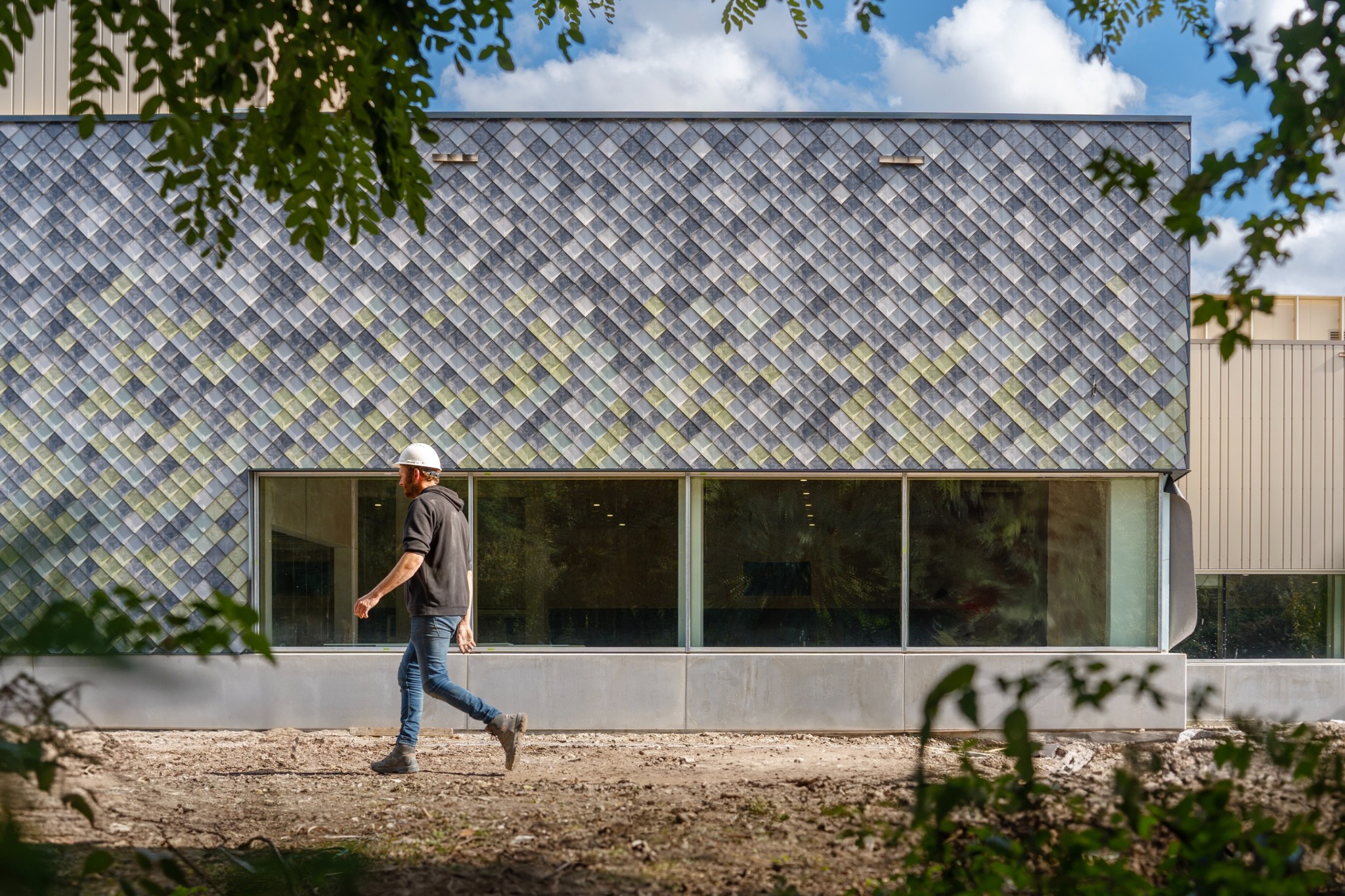
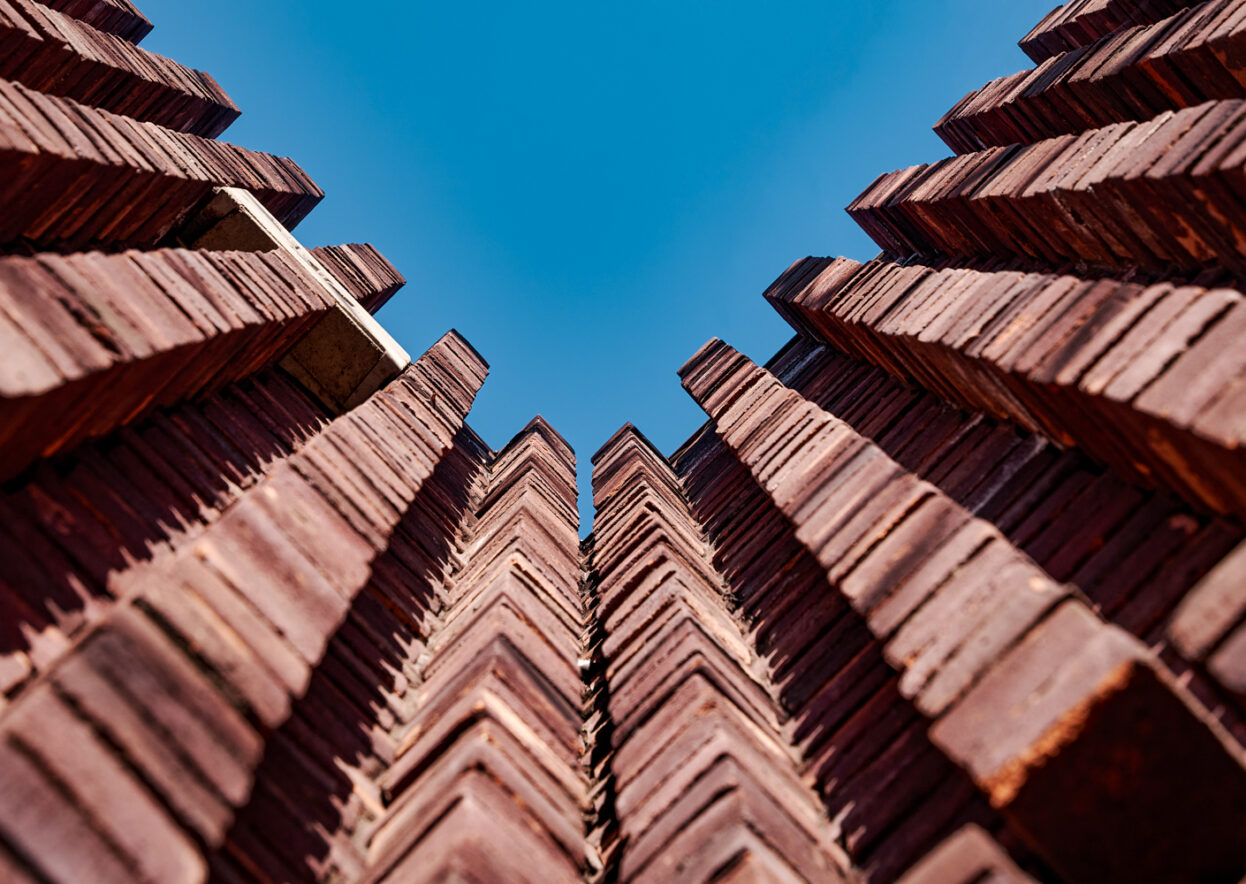
Dutch company StoneCycling transforms construction and demolition debris into bricks with unique colors and textures. These materials have been used in luxury residences and commercial projects, proving that walls built from waste can exude sophistication and exclusivity.

Waste-based bricks turn discarded rubble into bespoke architectural finishes
Five-star Resorts in Bali
Several high-end resorts in Bali have incorporated reclaimed teak and volcanic stone offcuts into their design. Beyond aesthetics, these materials reduce the reliance on imported resources and connect the architecture to its local context, appealing to eco-conscious travelers who see sustainability as an integral part of luxury.

Thousands of reclaimed shutters create a vibrant cultural landmark at Potato Head Beach Club
Tom Dixon’s “Trash Factory” Experiment
British designer Tom Dixon showcased how discarded plaster, wood, and plastics could be reimagined as limited-edition luxury furniture. His work highlights the design potential of embracing imperfection and irregularity - traits increasingly celebrated as hallmarks of exclusivity.

Scrap transformed into sculptural lighting and furniture
Design Lessons from Upcycled Luxury
Material Storytelling Matters
In luxury markets, narrative is as important as aesthetics. A marble basin carved from discarded quarry offcuts becomes more than a sink; it is a statement about sustainability and craftsmanship.
Imperfection as Identity
Traditional luxury celebrates flawless surfaces. Upcycled luxury, however, embraces irregularity as character. Veins, cracks, and color variations are reframed as signatures of authenticity, much like natural patina in leather or bronze.
Cross-sector Collaboration
Upcycling requires close cooperation between demolition contractors, material scientists, artisans, and designers. This collaboration creates opportunities for innovation in material treatment and fabrication, expanding what is possible in luxury interiors.
Redefining Value Chains
By integrating waste streams into premium products, upcycled luxury disrupts the linear “extract–use–discard” model. This not only lowers environmental impact but also introduces new economies of scale for sustainable materials.

Luxury redefined through reclaimed materials and circular thinking
Market Shifts and Consumer Demand
Affluent consumers are increasingly demanding sustainable luxury, driven by awareness of climate change and a desire for authenticity. According to Bain & Company’s 2025 luxury report, 65% of high-net-worth individuals consider sustainability a key factor in their purchasing decisions. This shift creates fertile ground for luxury brands to position upcycled materials not as compromises, but as elevated design choices.
Challenges and Barriers
+ Perception Gap: Convincing clients that waste-based materials are as luxurious as traditional imports.
+ Certification and Standards: Ensuring upcycled products meet durability, safety, and health regulations.
+ Scalability: Many upcycling solutions remain artisanal or small-scale, limiting their impact on global supply chains.
Conclusion
“Upcycled luxury” is more than a design trend; it is a cultural shift. By turning construction waste into five-star finishes, architects and designers are redefining what luxury means in the 21st century. No longer tethered solely to rarity and flawlessness, luxury is being reimagined as sustainable, authentic, and responsible. The practice proves that beauty can emerge from debris, that imperfection can be a new form of exclusivity, and that the future of design lies not in endless extraction but in creative transformation.
As this movement gains traction, it offers a compelling lesson: the most luxurious spaces are those that respect both human desire and planetary limits, weaving sustainability into the very fabric of high design.
Save this story. A free account keeps your reading list and the 07:00 email in one place.
CREATE FREE ACCOUNT →SIGN IN