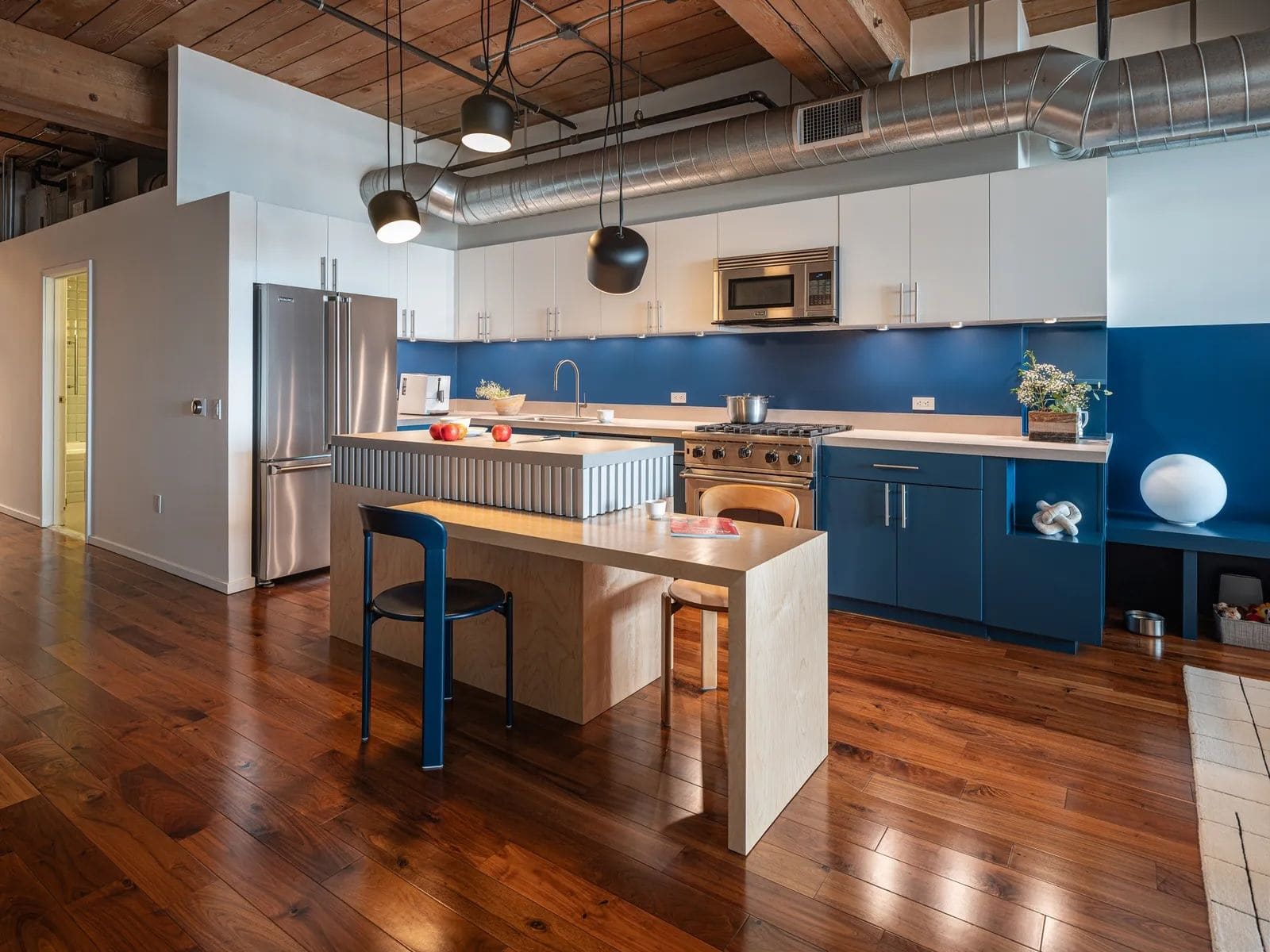
The Kitchen's Quiet Retreat
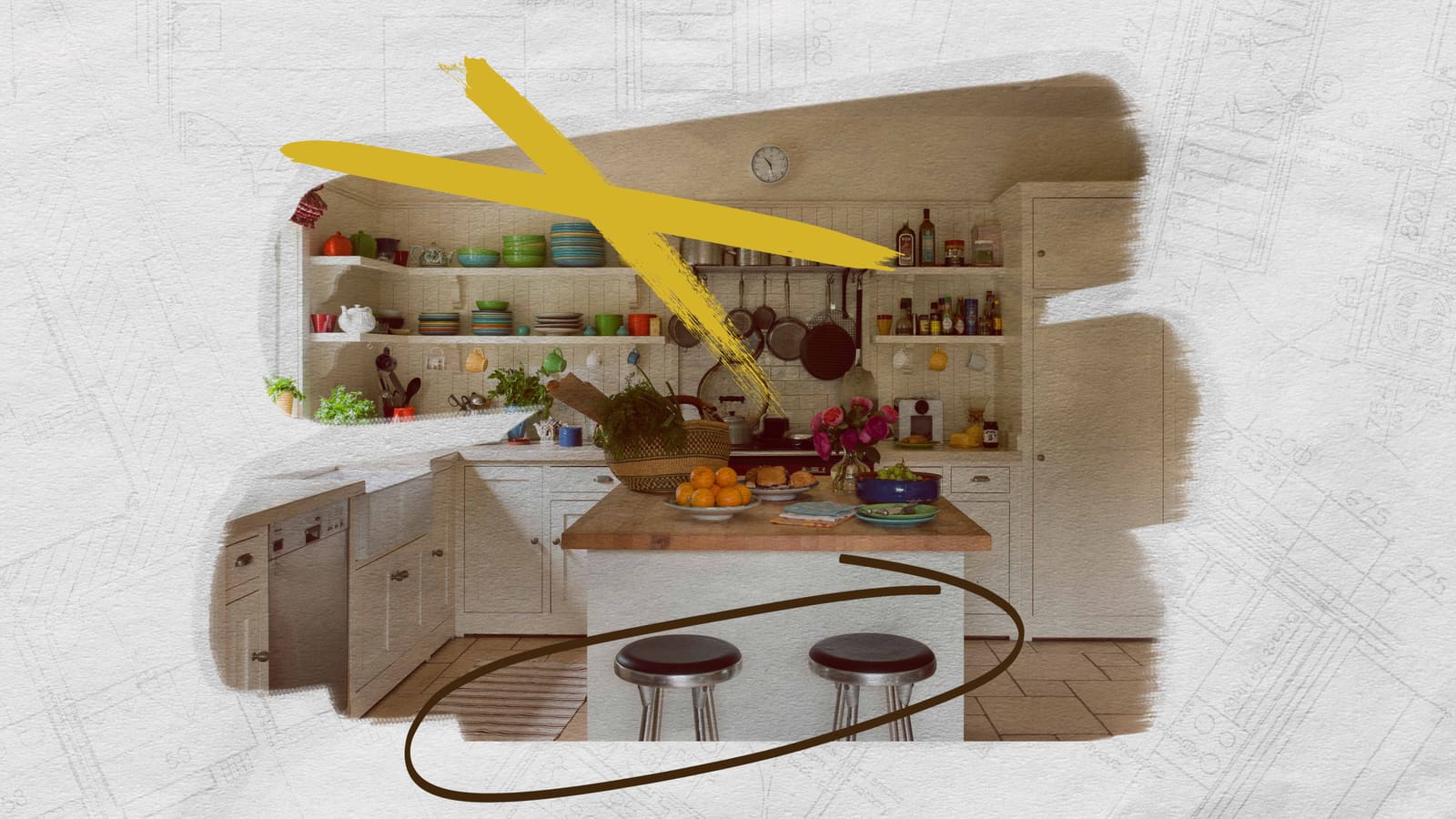
A few years ago, the formal dining room seemed headed for extinction. Not because gathering had lost its appeal, but because the nature of gathering had evolved. The polished buffet and holiday-only table had given way to kitchen islands that morphed from breakfast bar to workspace to homework station within a single day. At World Archi Design, we've been tracking this shift for years, watching as rigid spatial hierarchies dissolved into fluid, multi-purpose zones.
The kitchen island became emblematic of this transformation. One recent furniture project exemplified the trend: a custom piece that functioned as prep surface, breakfast counter, and dining table simultaneously, with components that slid and pivoted according to need. It wasn't merely furniture but a spatial argument that contemporary life resists static definitions. The table had become an instrument rather than a monument.
Yet even as formal dining rooms disappeared, food itself remained central. The kitchen persisted as hearth, organizing daily rhythms around the preparation and consumption of meals. Nourishment, conversation, and the quiet choreography of cooking together still anchored domestic life. Today, that assumption may be unraveling.
Pharmaceutical Architecture
Recent observations suggest that weight-loss medications are beginning to influence residential design in unexpected ways. For users of GLP-1 drugs, the kitchen's gravitational pull weakens as cooking occupies less daily bandwidth. Large walk-in pantries stocked with ingredients are yielding to compact smoothie stations equipped with protein powders and supplements. Bathrooms and closets are evolving into wellness hubs featuring refrigerated medication drawers, millwork that conceals syringes, and dedicated storage for pharmaceutical regimens.
The home is reorganizing itself around a different daily ritual. Where once the day pivoted around meal preparation, now it may center on medication schedules and nutritional supplementation. This isn't simply a matter of swapping one appliance for another. It represents a fundamental reordering of spatial priorities.
What makes this shift particularly fascinating is the psychological dimension. Users describe newfound confidence that ripples through multiple aspects of domestic life. They entertain more frequently. Wardrobes expand. Mirrors transition from objects of avoidance to embraced features. The architecture of the home begins to reflect an internal transformation in identity and self-perception.
The Laboratory We're Losing
For centuries, the kitchen has functioned as humanity's laboratory. Raw ingredients become nourishment through processes that blend technique, intuition, and cultural memory. Children learn by observing grandparents stir pots without measuring spoons, absorbing ratios and rhythms that resist codification. Conversation unfolds naturally over chopping boards and simmering pans. Cooking constitutes one of our oldest acts of creation, a daily alchemy that transforms food into culture, memory, and care.
If that ritual begins to recede, what fills the vacuum? We often frame GLP-1 medications narrowly, as drugs that reduce appetite. Perhaps more accurately, they reduce the portion of life organized around appetite itself. When eating becomes nutrition management rather than celebration, when a protein shake replaces the slow preparation of a shared meal, the spatial implications multiply.
Consider the dining table, that ancient piece of social infrastructure. Across the projects we've covered this year, we've seen tables evolve in scale and function, but their role as gathering point remained constant. Now we may be witnessing something different: not the table's evolution but its obsolescence. What happens when there's simply less reason to linger?
Architecture as Cultural Mirror
Architecture has always documented values. The open floor plan reflected a cultural desire for connection and transparency. The home office, particularly post-pandemic, reflected the digital economy's penetration into domestic space. Wellness rooms reflected our pursuit of longevity and self-optimization. Each spatial shift tells a story about what we prioritize.
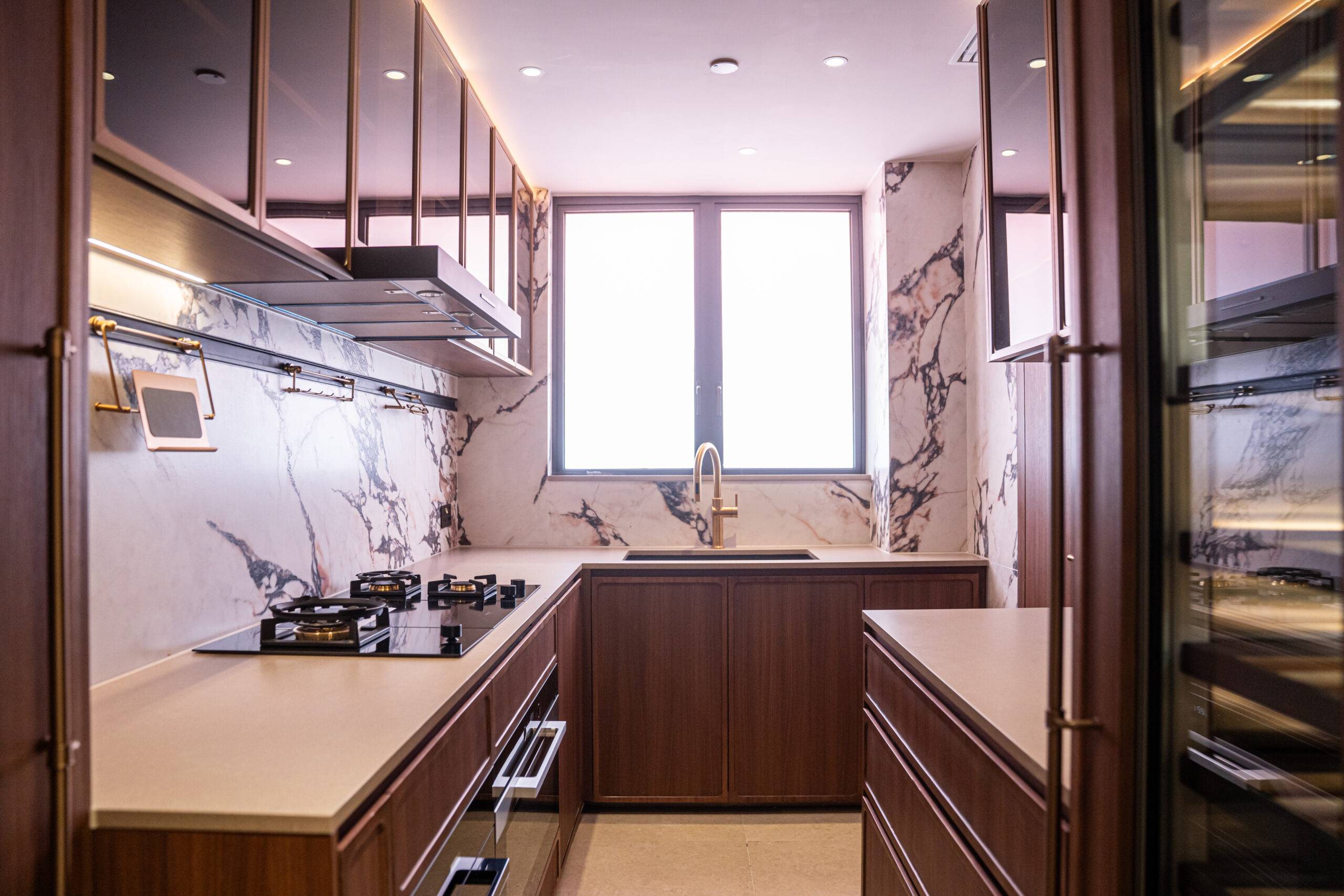
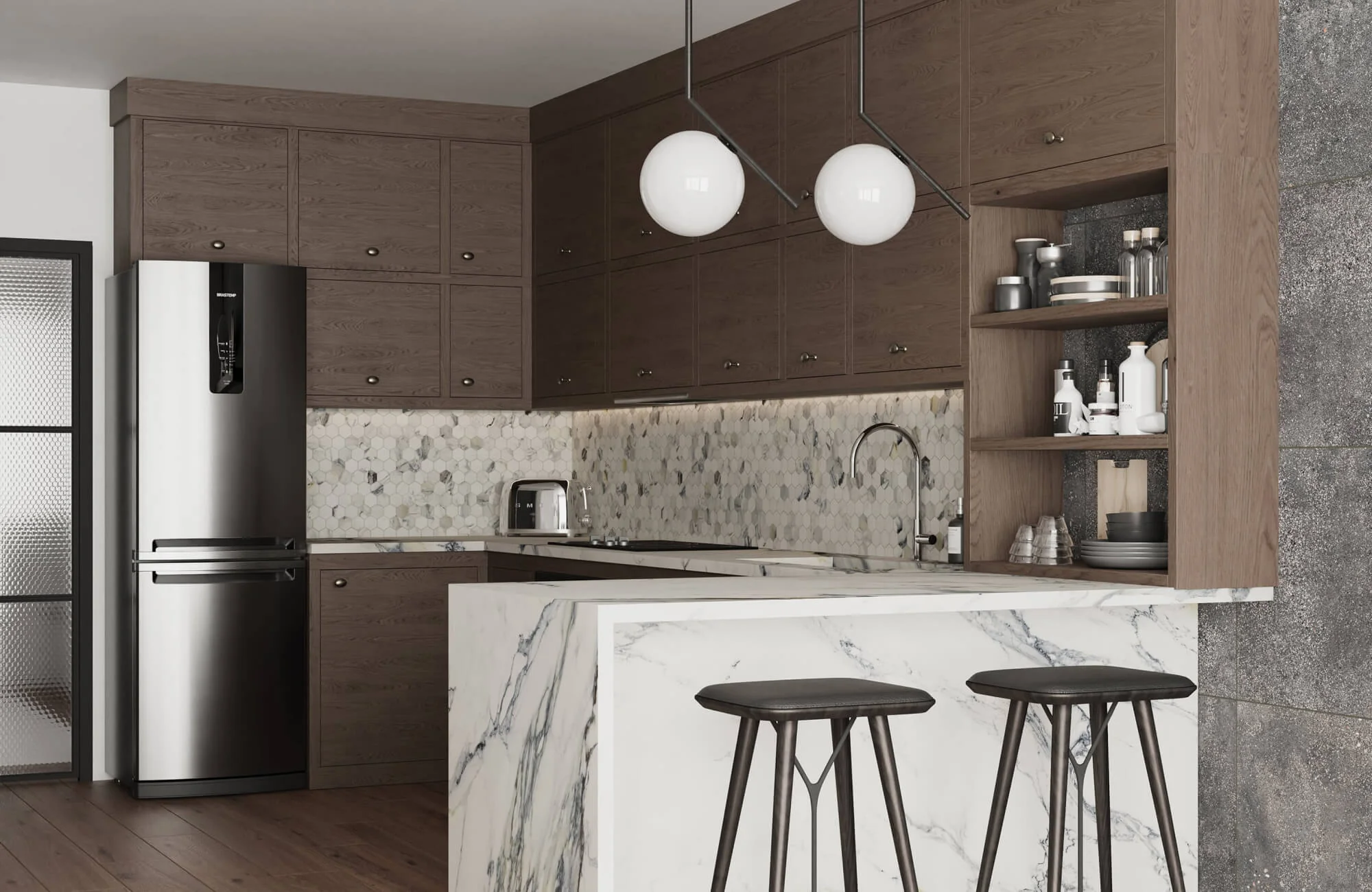
Perhaps the next chapter of residential design will reflect optimization above all else. Less cooking means less need for expansive counter space, professional-grade appliances, or elaborate pantry systems. Less lingering means less investment in comfortable dining environments. Less ritual means spaces calibrated for efficiency rather than experience.
This isn't to dismiss the genuine medical value of GLP-1 medications. For many people, these drugs represent life-changing interventions that improve health outcomes and extend lifespans. Where diet and exercise have proven insufficient, pharmaceutical support offers legitimate hope. The question isn't whether these medications have value, it's what their widespread adoption reveals about the direction of domestic architecture.
From Hearth to Medicine Cabinet
A century ago, the hearth defined the home. Its presence dictated floor plans, and families arranged themselves around its warmth. By the late twentieth century, the kitchen island had assumed that social role, becoming the site where household members naturally converged throughout the day. What will anchor the home in another generation? Will it be the refrigerated medicine drawer?
There exists a subtle but crucial distinction between a home that reflects life and one that manages it. The former accommodates the beautiful, messy rituals of being human: the experimental recipe that fails, the dinner that stretches into hours of conversation, the child who learns to crack eggs by breaking several. The latter prioritizes measurement, efficiency, and control. Both are valid architectural programs, but they produce fundamentally different environments.
We've seen precedents for this tension. The modernist kitchen of the 1920s, with its emphasis on scientific efficiency and hygienic surfaces, was designed to rationalize domestic labor. Architects like Margarete Schütte-Lihotzky created the Frankfurt Kitchen, a compact, laboratory-like space that minimized movement and maximized productivity. It was brilliant from an efficiency standpoint, yet many users found it sterile and isolating. The kitchen as social hearth emerged partly as a reaction against that reductive functionalism.
Designing for What?
The spatial transformations driven by pharmaceutical interventions raise fundamental questions about program. When we design a home, we design for patterns of inhabitation. If those patterns shift from cooking and eating toward medication and supplementation, our spatial allocations should logically shift as well. Larger bathrooms with better storage. Smaller kitchens with less emphasis on preparation zones. Fewer dining chairs.
But should they? At what point does architecture stop reflecting how we live and start prescribing how we should live? This isn't a new dilemma. Architects have long grappled with the tension between responding to client needs and maintaining a broader cultural perspective. Yet the speed of pharmaceutical adoption may outpace our ability to think critically about its spatial consequences.
There's also the question of permanence. Homes outlast trends. A kitchen designed for someone on GLP-1 medication may eventually house someone who isn't. Buildings should possess enough flexibility to accommodate changing needs, yet the more specialized our spaces become, the less adaptable they are. A refrigerated medication drawer is far more specific in its function than a pantry.
The Ritual Question
Perhaps what's most at stake isn't square footage but meaning. The kitchen has never been solely about food production. It's been about the rituals that surround food: the shared labor of preparation, the timing and rhythm of a meal, the lingering that happens when there's no rush to leave the table. These rituals create texture in daily life. They mark time, foster connection, and transmit culture across generations.
When medication replaces the meal, we lose not just the food but the scaffolding it provided for other forms of human interaction. The question isn't whether people will stop gathering entirely but whether they'll gather differently. A smoothie takes two minutes to prepare. A family dinner might take two hours from start to finish. Those missing hours represent time that was once structured around shared activity. What fills that space?
At World Archi Design, we've long believed that the best architecture supports the full range of human experience, including its inefficiencies. The hallway that's slightly too wide becomes a gallery. The window seat that serves no programmatic function becomes a favorite reading spot. The oversized kitchen table accommodates not just meals but all the life that spills around them. These are the spaces that make a house feel like a home rather than a machine for living.
What Comes Next
The question isn't whether GLP-1 medications are changing residential architecture. They already are, and designers are responding to genuine shifts in how clients inhabit their homes. The more profound question is what kind of domestic spaces we want to create. Do we design homes that celebrate the rituals of daily life, or do we design homes that streamline and optimize them away?
There's room for both approaches. Some clients may prefer compact, efficient kitchens that reflect their current relationship with food. Others may want spaces that preserve the option for elaborate cooking and lingering meals, even if those activities have become less frequent. The challenge for architects is to remain thoughtful about what these choices represent and what they might foreclose.
A century from now, architectural historians may look back at this moment as a turning point, when the home's organizing principle shifted from the hearth to the medicine cabinet. Or they may see it as a brief perturbation, a moment when pharmaceutical intervention promised to solve problems that ultimately required more complex, holistic approaches. Either way, the homes we design today will serve as evidence. They'll document not just how we lived but what we valued, what we preserved, and what we were willing to let go.
Credit: Nico Marques
Save this story. A free account keeps your reading list and the 07:00 email in one place.
CREATE FREE ACCOUNT →SIGN IN