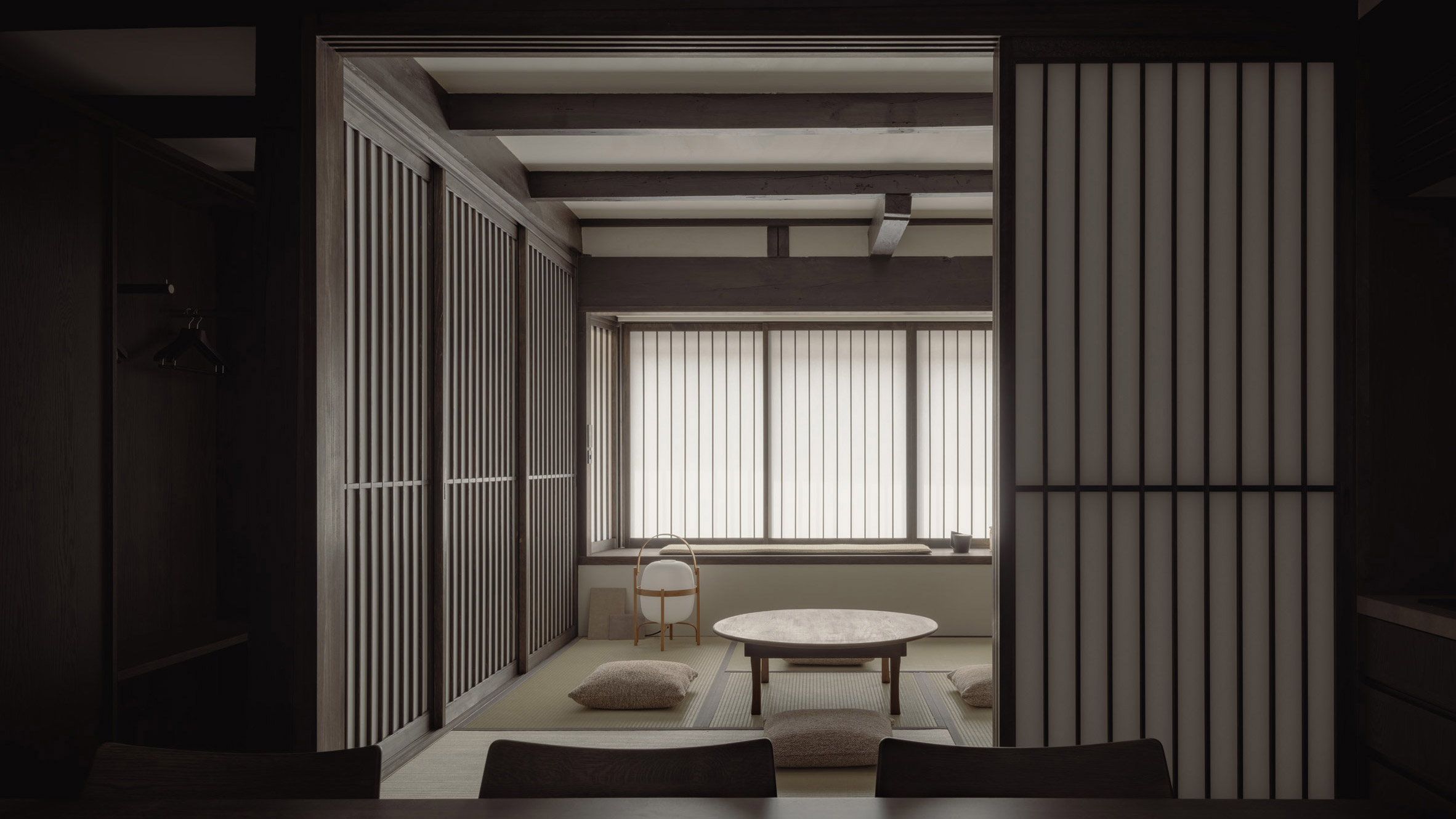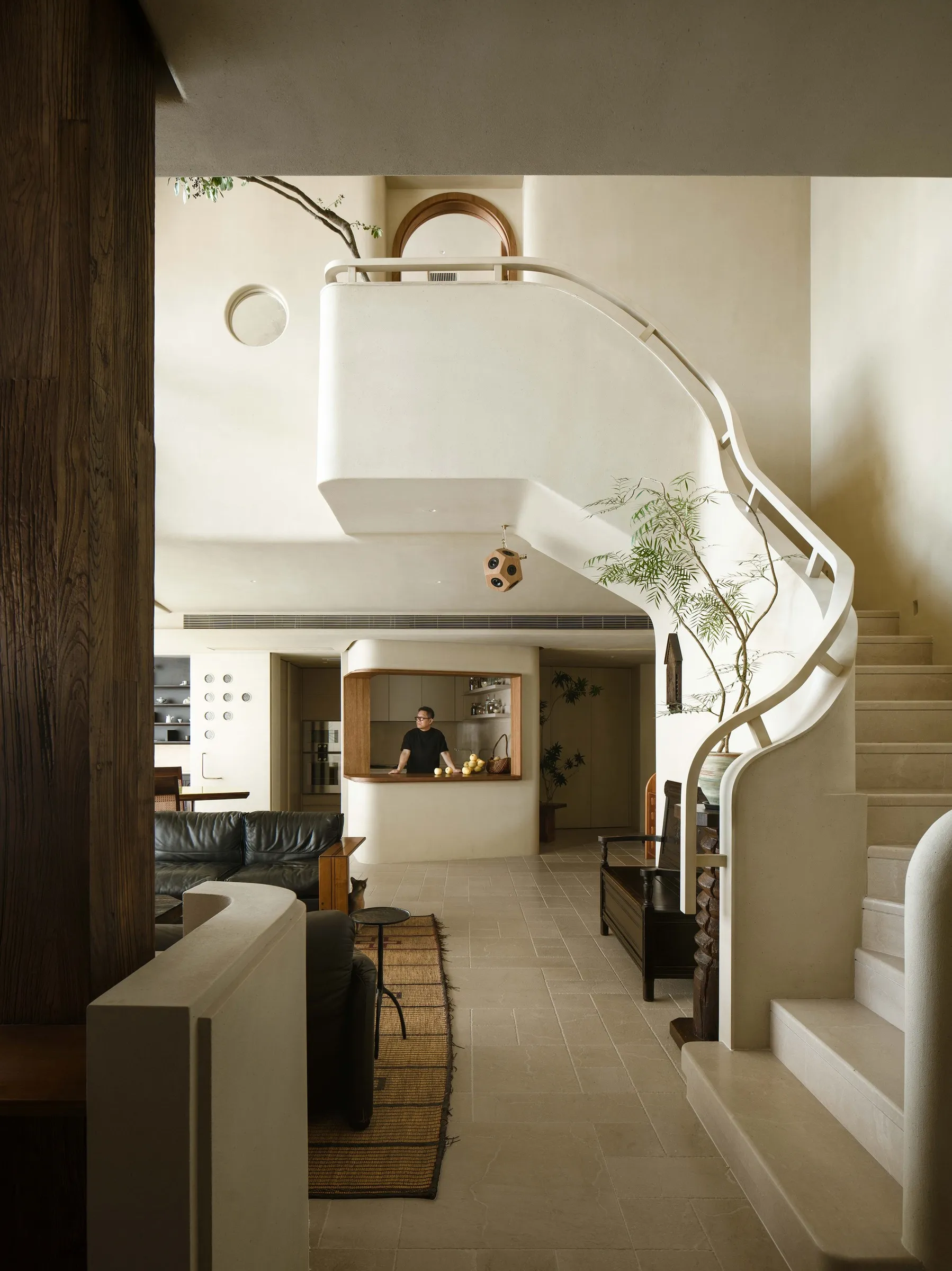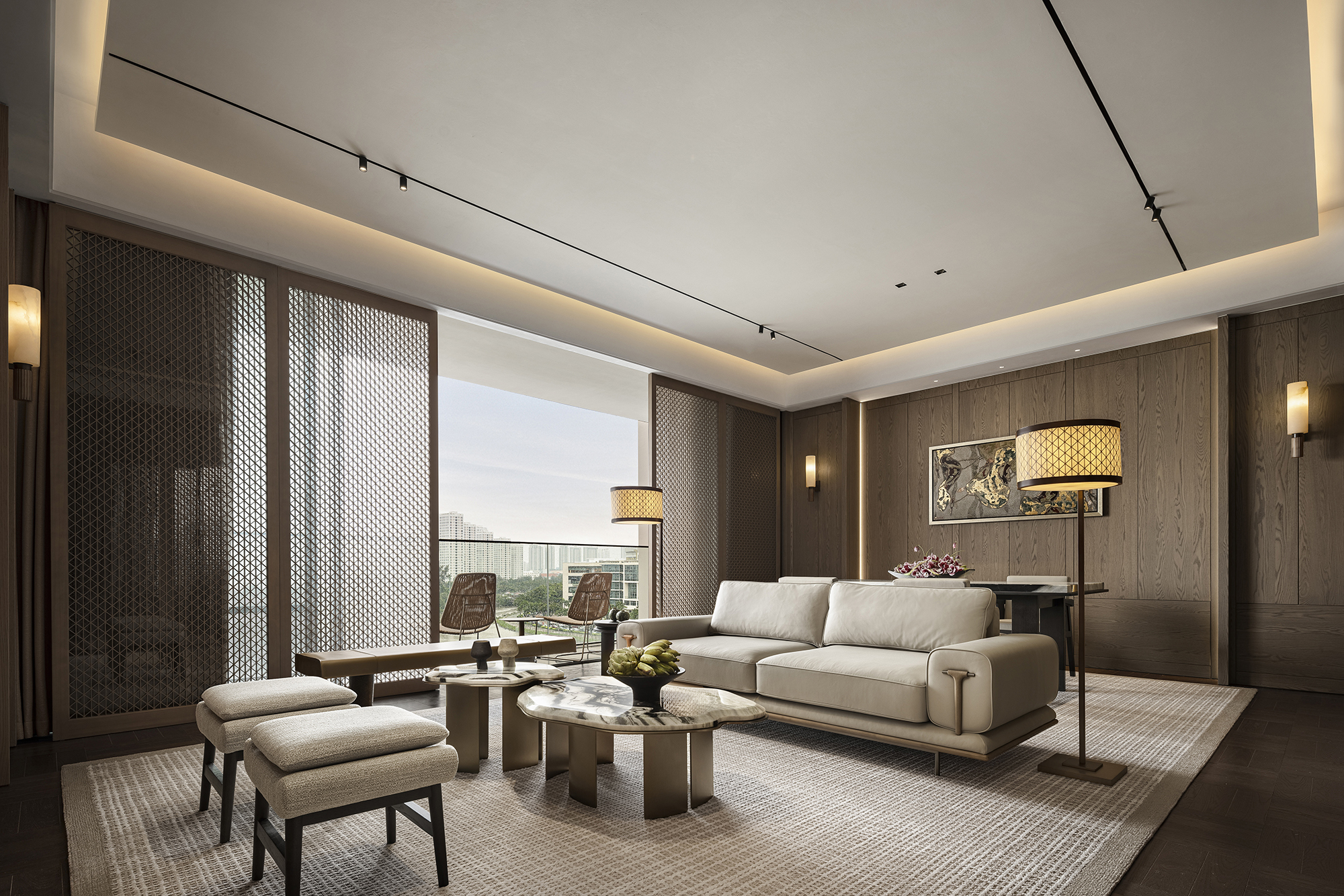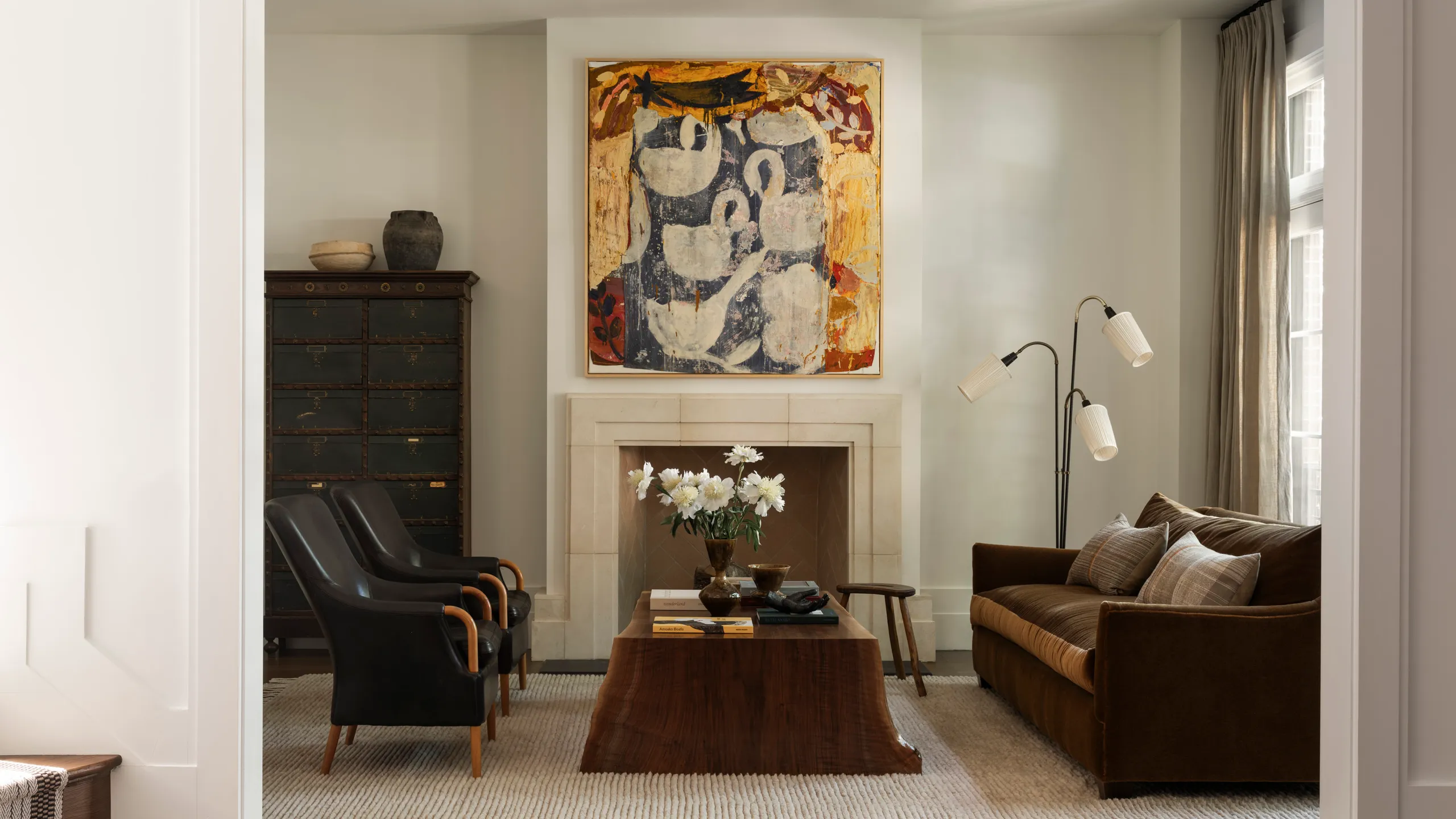
In an age of visual noise, the most compelling interiors often speak softly. Rather than bold graphics or high-contrast prints, designers are increasingly turning to soft patterns - muted motifs, tonal textures, and barely perceptible repetitions that create rhythm without overwhelming the eye. These subtle layers invite calm, allowing interiors to feel thoughtful, balanced, and deeply livable.
Soft patterning doesn’t rely on attention-grabbing decoration. Instead, it emerges through material, texture, and scale, creating spaces where pattern becomes part of the atmosphere rather than the focal point.
Tonal Pattern-on-Pattern
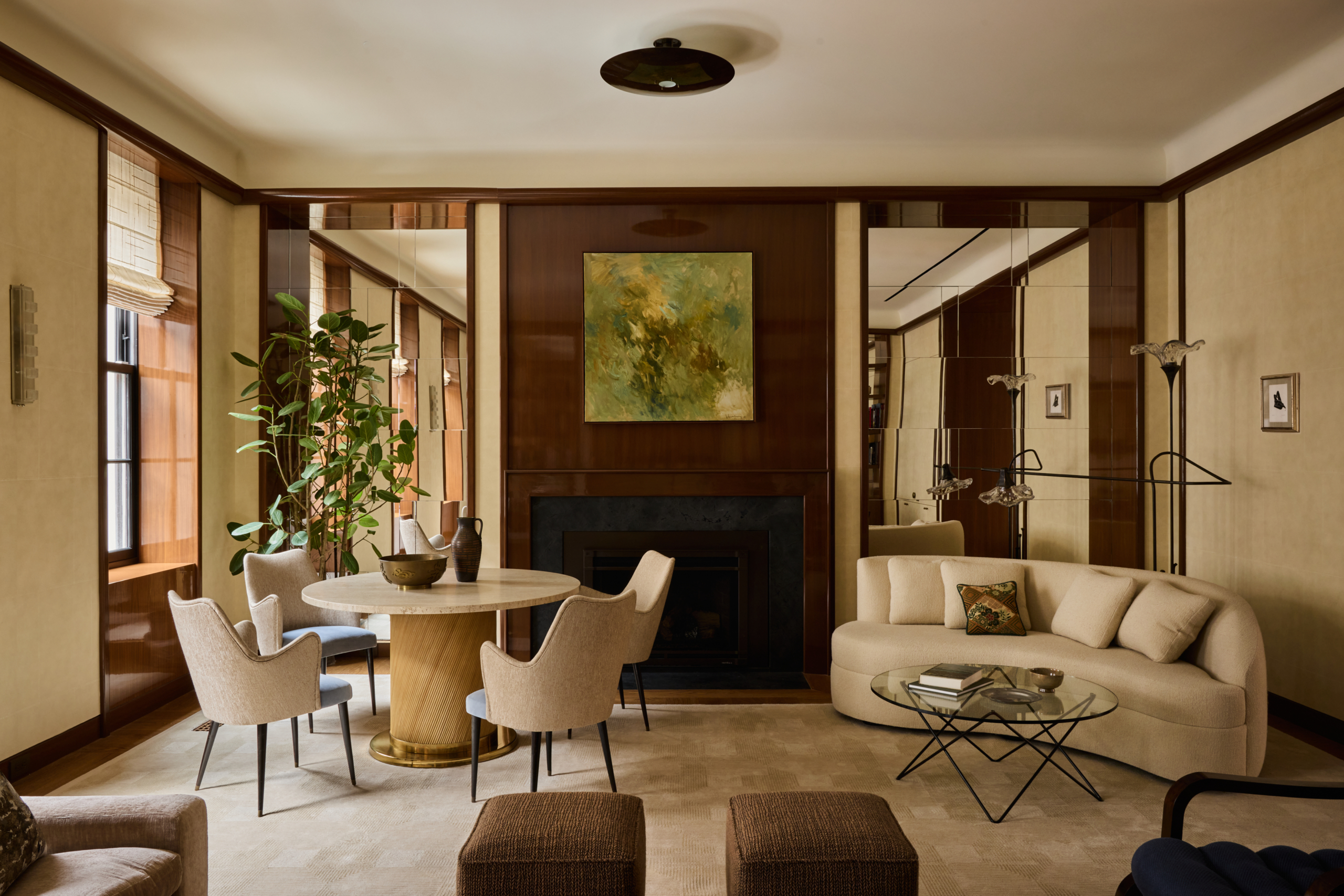
One of the most effective ways to create quiet interiors is through tonal layering. Patterns appear in similar shades of the same color, allowing them to blend seamlessly into the space.
Think woven wall coverings, lightly patterned textiles, or plaster finishes with natural variations. When tones remain within a narrow palette - warm beiges, pale greys, soft clay - the pattern reads more like texture than decoration.
Design inspiration
+ Linen curtains with subtle herringbone weave
+ Tonal geometric rugs in muted neutrals
+ Wallpaper with barely visible botanical outlines
Takeaway: Keep the color contrast minimal so the pattern enhances atmosphere rather than dominating the room.

Soft beige tones and warm wood textures layer subtle patterns across this serene living room, where tonal harmony creates depth while maintaining a calm, understated atmosphere
Photo Credit: Leighton James
Nature-inspired Motifs
Soft interiors often borrow their patterns from organic forms - branches, leaves, ripples, or stone veins. Because these motifs already exist in nature, the eye reads them as calming and familiar.
Designers frequently interpret these references in an abstract or simplified way: delicate leaf silhouettes on fabric, flowing marble veins, or wood grains that create gentle movement across surfaces.
Design inspiration
+ Lightly veined marble surfaces
+ Textiles inspired by foliage or sand ripples
+ Wood panels with expressive grain patterns
Takeaway: Nature-inspired motifs naturally feel balanced and timeless, making them ideal for understated interiors.

Natural materials - marble veining, warm wood grain, textured brick - introduce organic patterns that bring quiet movement and warmth to this light-filled kitchen
Photo Credit: Leighton James
Texture as Pattern
Sometimes the most refined patterns aren’t printed at all, they’re constructed through texture.
Fluted panels, woven materials, ribbed glass, or handcrafted plaster finishes create repeating visual rhythms that function as patterns while remaining subtle and tactile. These surfaces catch light differently throughout the day, adding depth without adding visual clutter.
Design inspiration
+ Vertical fluted wood panels
+ Handwoven rugs with irregular fibers
+ Limewash or textured plaster walls
Takeaway: When texture carries the pattern, the space gains richness without relying on color or graphic elements.

From woven ceiling panels to earthy plaster walls and natural fiber textiles, layered textures create subtle patterns that preserve this living space’s calm, grounded atmosphere
Photo Credit: Sonia Sabnani
Large-scale, Low-contrast Motifs
Another quiet approach involves expanding the scale of a pattern while softening its contrast. Oversized motifs become almost atmospheric when rendered in pale tones.
This technique works particularly well on rugs, wall textiles, or murals, where the pattern becomes a soft visual field rather than a decorative statement.
Design inspiration
+ Oversized floral or abstract motifs in pale monochrome
+ Hand-painted murals fading into neutral walls
+ Large patterned rugs in warm sand or stone tones
Takeaway: Increasing scale while reducing contrast keeps the space visually calm but spatially interesting.

Soft botanical motifs in muted tones spread gently across the headboard and cushions, blending seamlessly into the room’s calm palette
Photo Credit: Studio Duggan
Repetition Across Materials
Quiet interiors often repeat patterns across different materials to create a subtle sense of harmony.
A linear motif might appear in cabinetry grooves, window screens, and textiles. The repetition is rarely obvious, but it quietly connects the room’s elements.
Design inspiration
+ Parallel lines echoed in joinery and fabric textures
+ Grid motifs repeated in shelving, tiles, and rugs
+ Soft curves carried through lighting, furniture, and wall details
Takeaway: Gentle repetition builds cohesion without requiring bold design moves.

Vertical tile stripes echo across walls and the bathing alcove, demonstrating how repeating patterns across surfaces can quietly unify a space
Photo Credit: Studio Duggan
Designing Calm Through Pattern
Soft patterns demonstrate that design impact doesn’t always require dramatic statements. By working with tone, texture, and natural motifs, designers can create interiors that feel layered yet peaceful - spaces where pattern acts less like decoration and more like a quiet rhythm beneath daily life.
In these interiors, beauty emerges gradually. The longer you spend in the space, the more its details reveal themselves - softly, patiently, and with lasting elegance.
Save this story. A free account keeps your reading list and the 07:00 email in one place.
CREATE FREE ACCOUNT →SIGN IN