Human-centered design goes beyond form and function, placing people’s well-being, behavior, and daily needs at the core of architecture. From healthcare spaces that heal to community hubs that foster connection, the approach redefines buildings as active participants in shaping lifestyle. Through examples worldwide, the article explores how thoughtful design can create spaces that nurture dignity, comfort, and belonging.
Introduction: Designing for People, Not Just Spaces
Architecture has long been seen as the art of shaping buildings, but in recent decades, the discipline has shifted toward a more profound purpose: shaping the way people live. This is the ethos of human-centered design - an approach that prioritizes well-being, inclusivity, and lived experience over form alone. It is not just about making spaces beautiful or efficient, but about asking a deeper question: How does this design improve people’s lives?
Human-centered design transforms buildings into more than structures. It turns them into experiences, communities, and even lifestyles. From hospitals that reduce patient stress through natural light, to offices designed for collaboration, to homes that adapt to cultural rhythms, the focus is clear: people come first.
Beyond Function: The Experience of Space
Human-centered design does not stop at fulfilling basic functions; it enriches daily life. The use of daylight in Tadao Ando’s Church of the Light is not merely practical - it creates an atmosphere of serenity, aligning spiritual experience with architecture. Similarly, in Maggie’s Centres across the UK, architects like Zaha Hadid and Norman Foster have designed cancer care facilities that feel more like welcoming homes than clinics, ensuring comfort and dignity for patients and families.

Natural light and calm spaces turn care facilities into places of dignity and healing
Designing for Community and Connection
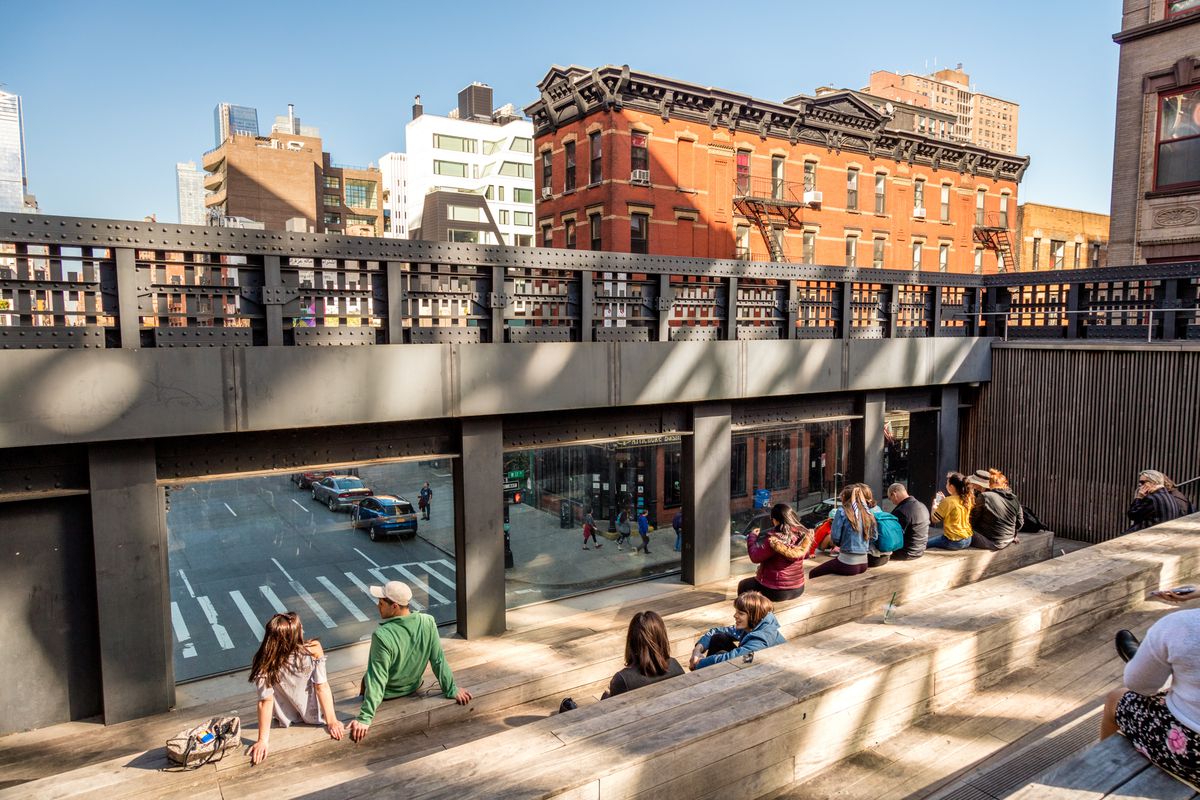
At the urban scale, human-centered design manifests in spaces that encourage community. The High Line in New York, for instance, transformed a disused rail line into a park that prioritizes walking, leisure, and collective gathering. In Copenhagen, bicycle-friendly infrastructure reimagines mobility as a healthier, more sustainable lifestyle choice. These designs prove that human-centered principles extend far beyond interiors - they redefine the way cities breathe, move, and connect.

Public spaces like the High Line turn infrastructure into shared human experience
Material, Culture, and Comfort
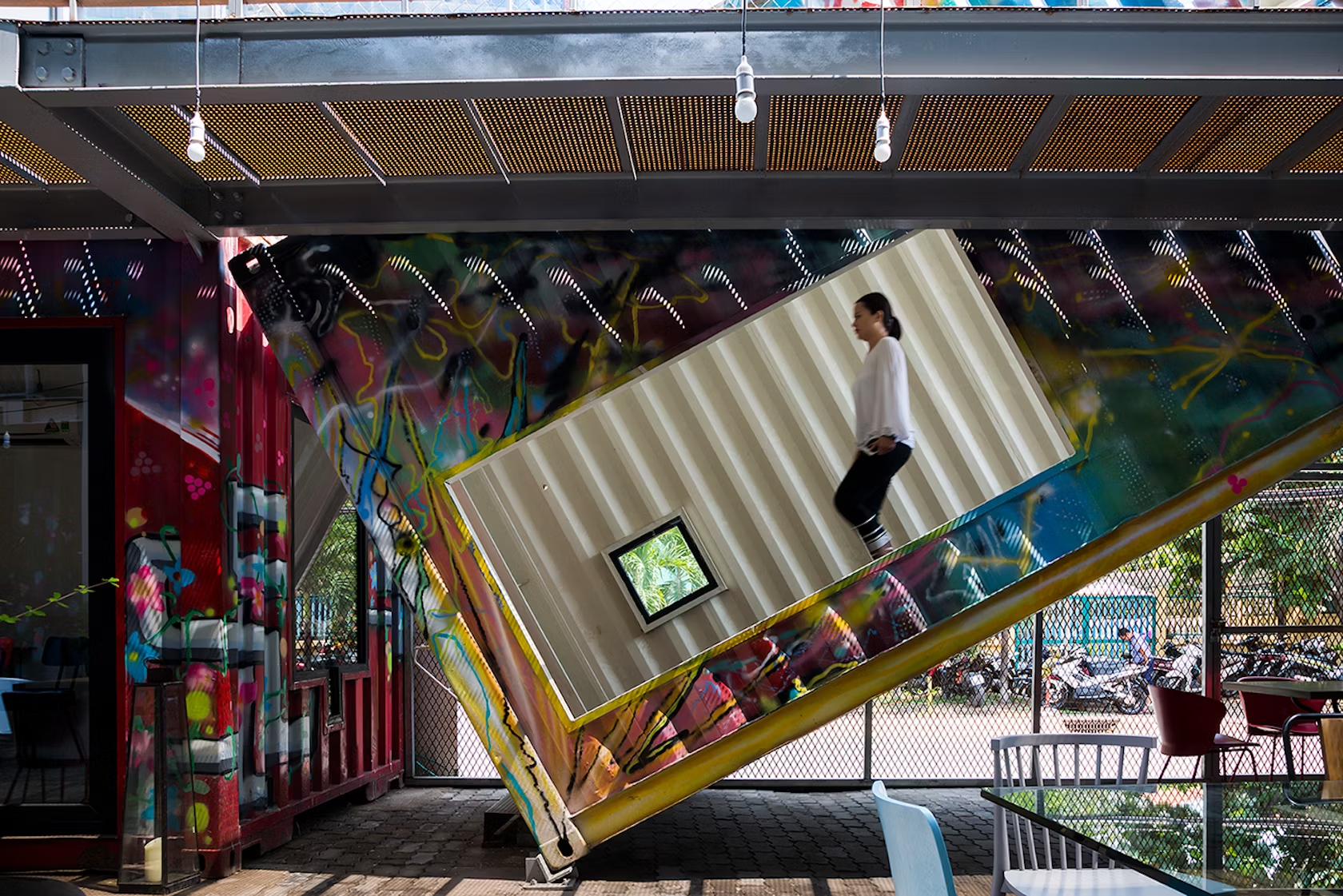
Materials and cultural context are equally vital. Vo Trong Nghia’s bamboo architecture in Vietnam honors tradition while offering naturally cooling, breathable structures suited to tropical climates. In Japan, Ryue Nishizawa’s Moriyama House challenges conventional living by creating clusters of small dwellings, fostering both privacy and communal interaction. These designs show that human-centered architecture is inseparable from culture: it adapts to the ways people live, gather, and rest.

Locally rooted materials like bamboo support comfort, culture, and sustainability

Moriyama House: Minimal dwellings, shared gardens, and a lifestyle of openness
From Building to Lifestyle
The impact of human-centered design extends beyond the physical environment into lifestyle. A thoughtfully designed office can boost productivity and mental health, a school can encourage curiosity and collaboration, and a home can shape rituals of rest, family, and joy. Architecture, when people-focused, becomes an enabler of healthier, more connected living.
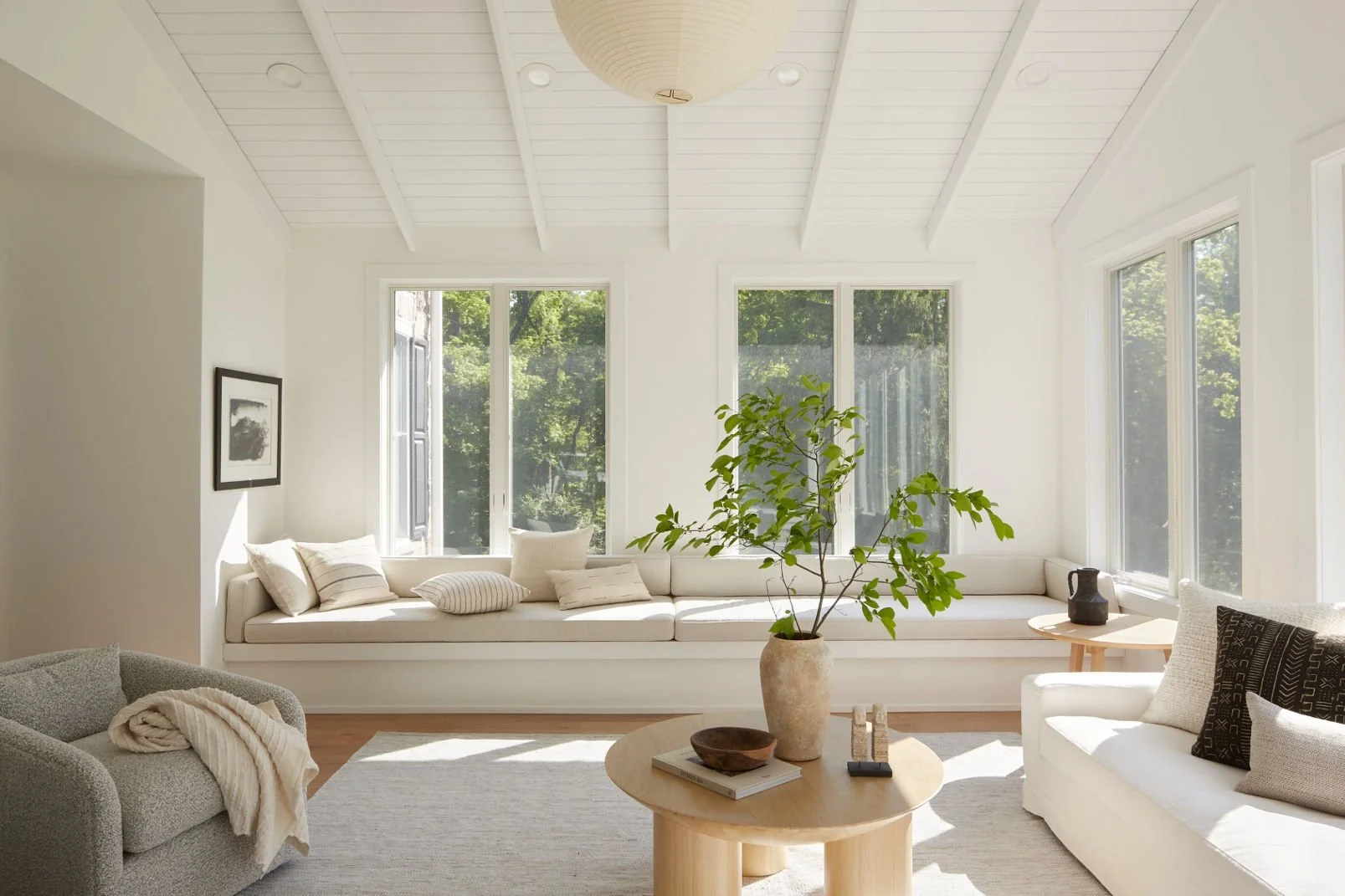
Human-centered design also evolves with technology and global challenges. Smart homes that adjust lighting and temperature for comfort, or urban cooling strategies that shield communities from extreme heat, demonstrate how human-centered thinking is increasingly tied to resilience and adaptability.

Human-centered design evolves with technology to create adaptive, resilient lifestyles
Design Lessons for a Human Future
+ Prioritize Well-being: Beyond aesthetics, design should actively promote mental and physical health.
+ Foster Connection: Spaces must encourage social interaction while respecting individual privacy.
+ Respect Context: Materials, culture, and climate are essential to creating meaningful environments.
+ Think Long-Term: Human-centered design should adapt with changing needs, lifestyles, and generations.
Conclusion: Architecture for Life
Human-centered design is not a style, but a mindset. It is about putting people at the center of every decision - acknowledging that buildings shape lifestyles, communities, and futures. In an era where cities grow denser and technology accelerates, architecture must remain grounded in its most important role: to serve humanity.
By focusing on authenticity, inclusivity, and experience, human-centered design ensures that architecture is not just about creating buildings - it is about creating life.
Save this story. A free account keeps your reading list and the 07:00 email in one place.
CREATE FREE ACCOUNT →SIGN IN