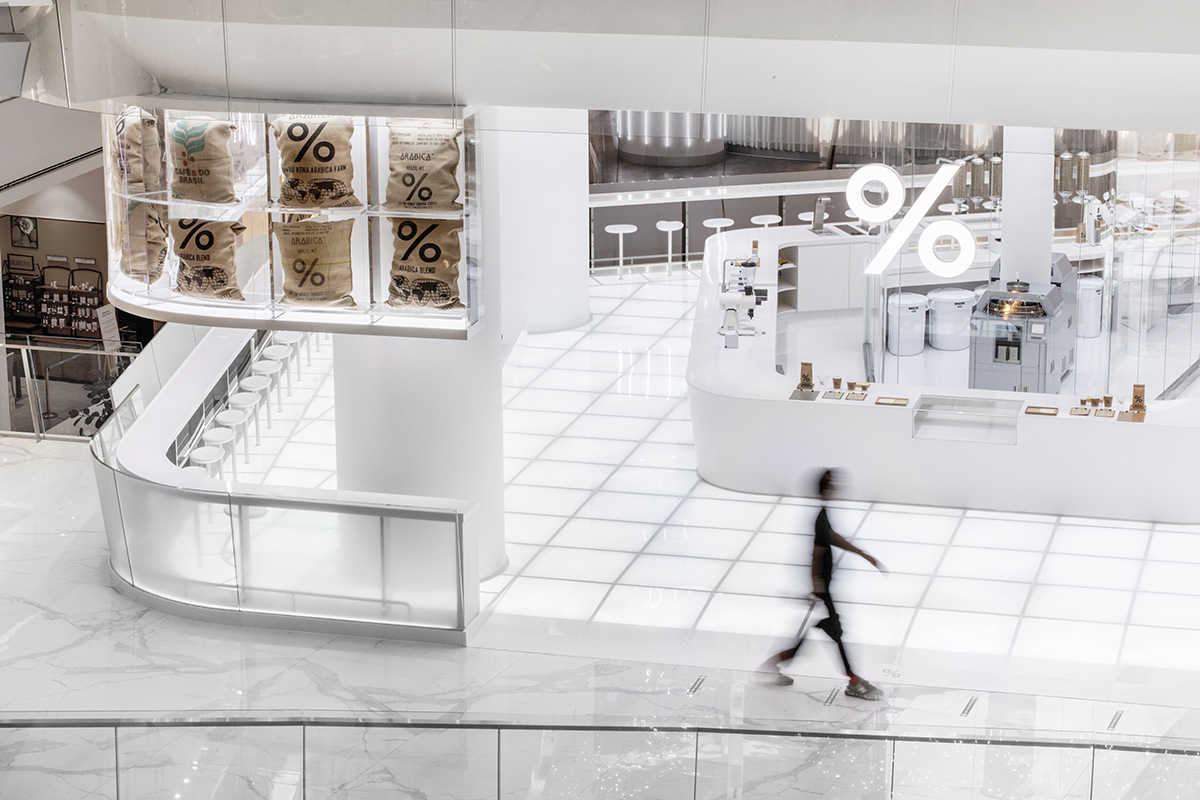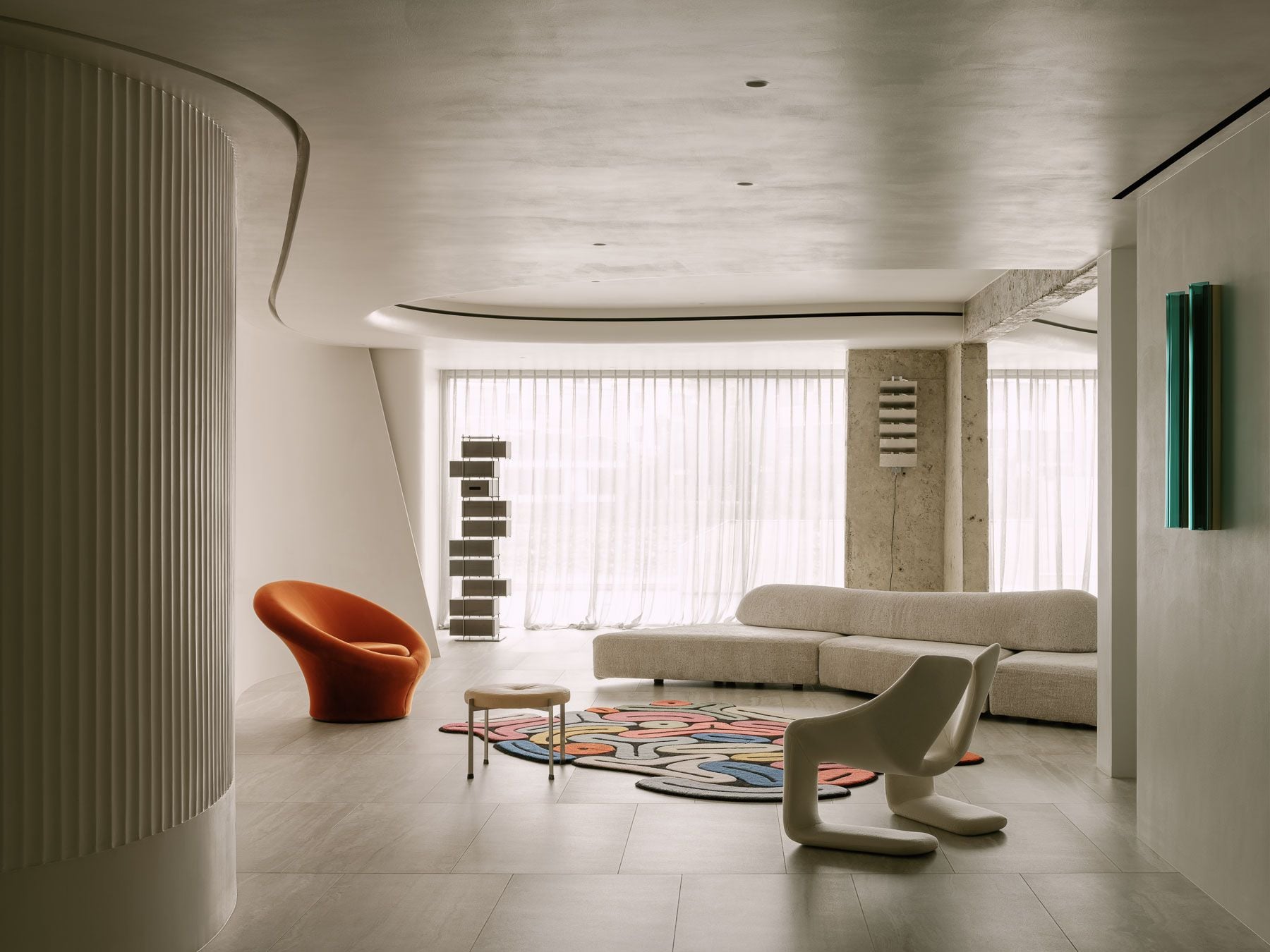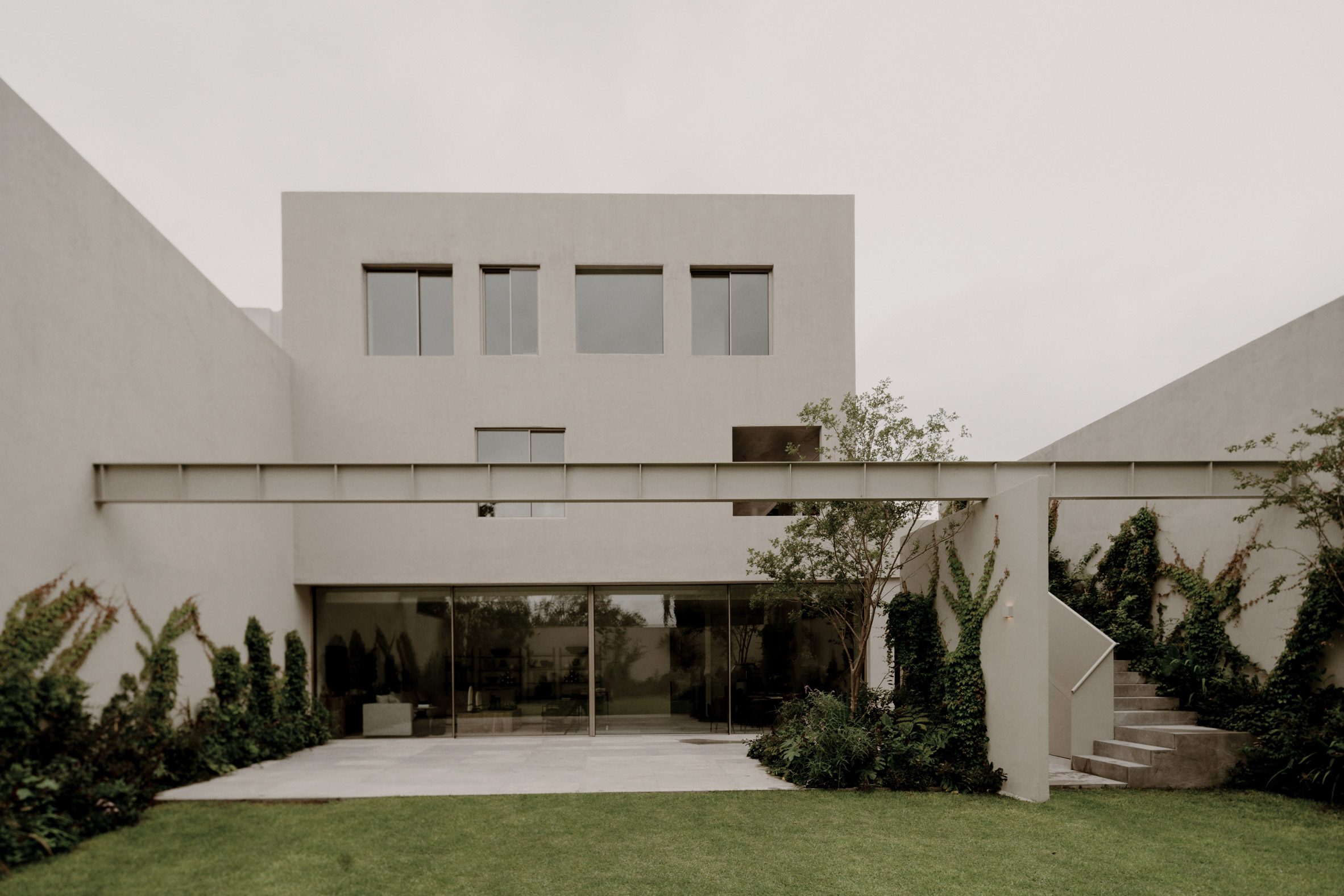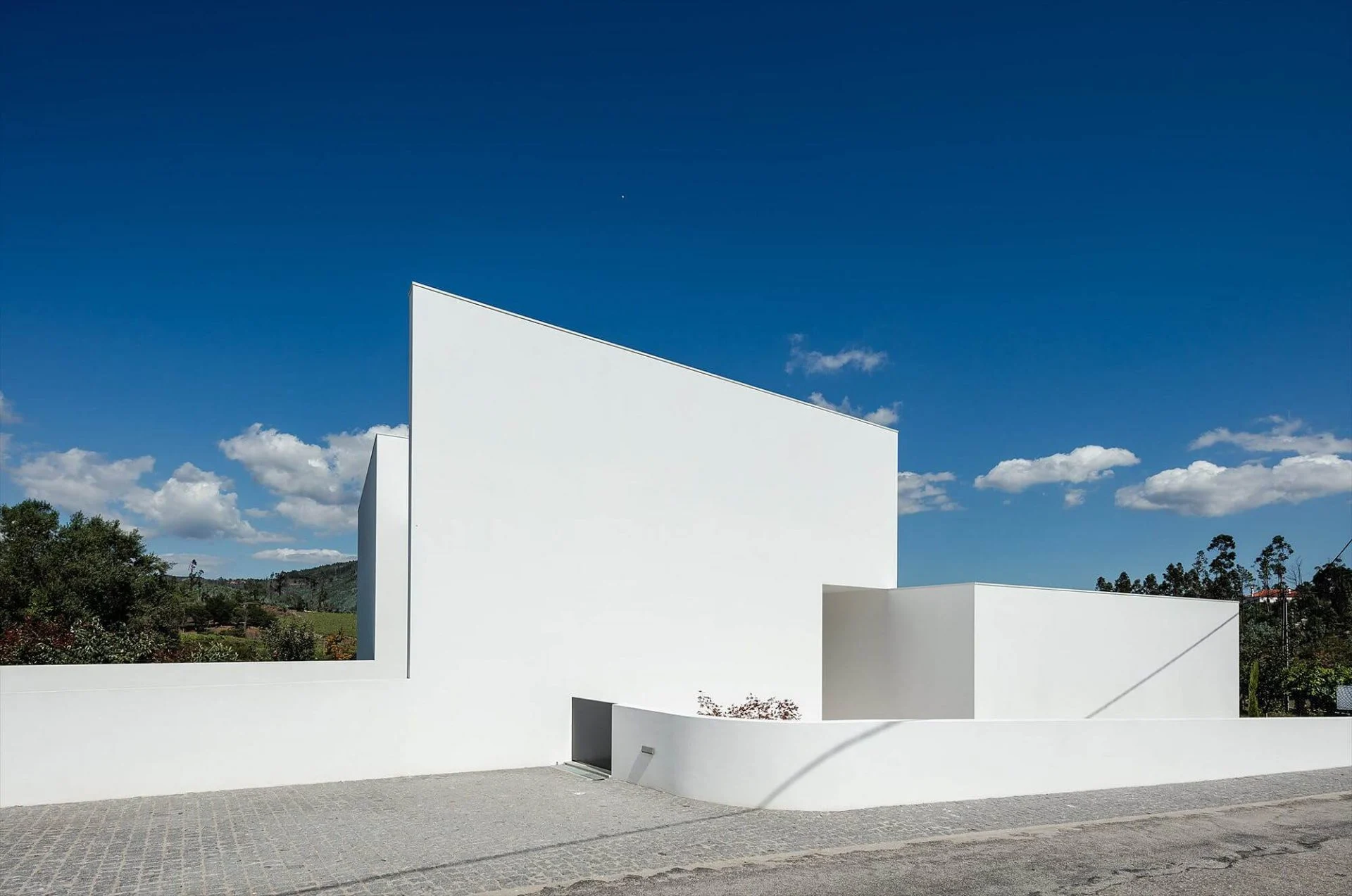
Minimalism in architecture is more than a visual style of clean lines and empty spaces - it is a design philosophy that elevates light, material, and proportion to shape human experience. From Tadao Ando’s spiritual use of concrete and light to Mies van der Rohe’s openness at the Farnsworth House, minimalism demonstrates how restraint can create profound clarity, comfort, and emotional resonance.
Introduction: The Essence of Less
Minimalism in architecture is often misunderstood as simply an aesthetic - clean lines, white walls, and uncluttered spaces. But at its core, minimalism transcends appearance. It is a philosophy rooted in clarity, restraint, and intentionality, where every design decision has meaning and every element serves a purpose. From the Japanese concept of ma (the beauty of emptiness) to Ludwig Mies van der Rohe’s iconic dictum, “less is more,” minimalism is about shaping how we experience space rather than merely how it looks.
In today’s era of overstimulation and rapid consumption, minimalist architecture offers something increasingly rare: calm. It transforms buildings into environments that sharpen perception, invite mindfulness, and encourage deeper engagement with light, material, and proportion.
Minimalism as an Experiential Design Language
Minimalist architecture removes the unnecessary not to strip spaces bare but to elevate the essentials - space, light, and materiality. Unlike maximalist design, which overwhelms with layers of detail, minimalism frames experience with precision. A bare concrete wall in a Tadao Ando chapel, for example, is not simply stark; it directs attention to the play of natural light, evoking introspection and spiritual depth.
The key is intentional reduction. Minimalism requires architects to design not by adding but by subtracting, ensuring that what remains enriches the user’s sensory and emotional experience. In this sense, minimalism is less about visual style and more about curating presence.
Minimalism in Practice
Church of the Light, Ibaraki, Japan – Tadao Ando
Perhaps one of the most profound examples of minimalist architecture, Tadao Ando’s Church of the Light uses raw concrete, geometry, and light to evoke spirituality. A cruciform cut in the wall allows daylight to flood the interior, transforming an austere concrete box into a deeply moving space. Here, minimalism is not about absence - it’s about making light itself the protagonist.
Lesson: Minimalism can heighten sensory awareness, allowing architecture to speak with silence.

Concrete and light converge to create spiritual depth inside Church of the Light

Minimalist geometry frames natural light as the central element of worship
Farnsworth House, Plano, USA – Ludwig Mies van der Rohe
The Farnsworth House embodies the purity of Mies’s “less is more” vision. Elevated on pilotis and enclosed with glass, the house is a study in proportion, openness, and simplicity. The absence of ornament creates an uninterrupted connection to the surrounding landscape, demonstrating that minimalism is not confined but expansive.
Lesson: Minimalist design can blur boundaries between inside and outside, inviting nature as part of lived experience.

A glass pavilion that erases boundaries between nature and architecture

An interior defined by openness, proportion, and pure minimal living
Casa Gilardi, Mexico City – Luis Barragán
Luis Barragán, often associated with emotional minimalism, demonstrates how restraint does not mean sterility. Casa Gilardi employs bold planes of color, water, and light within an otherwise sparse architectural language. The design balances restraint with vibrancy, showing how minimalism can be warm, poetic, and culturally rooted.
Lesson: Minimalism can carry emotional resonance by framing essential elements like light, color, and water in powerful ways.

Minimalism infused with vibrant planes of color and poetic light

Quiet walls and vivid accents illustrate minimalism as poetic, not sterile
Amanyangyun Resort, Shanghai – Kerry Hill Architects
This resort embodies cultural minimalism by restoring ancient Ming and Qing dynasty villas while integrating them with contemporary, pared-down architectural language. Stone walls, timber, and serene courtyards emphasize material honesty while fostering a contemplative retreat.
Lesson: Minimalism can serve as a respectful mediator between cultural heritage and contemporary design.

A retreat where cultural heritage and modern restraint coexist seamlessly

Minimalist guest spaces echo the serenity of ancient Chinese courtyards
Minimalism and the Human Experience
Minimalism is often critiqued as cold or alienating. Yet when done with sensitivity, it becomes deeply humanistic. It allows occupants to focus on essentials: the warmth of sunlight on a wooden floor, the sound of footsteps echoing in a hall, the rhythm of shadows shifting throughout the day.
In a world defined by visual noise, minimalism provides clarity. It shifts emphasis from “what” a space contains to “how” a space feels. More than an aesthetic, it is an ethic of attention - an invitation to slow down and engage fully with the present moment.
Design Lessons for Architects
+ Subtraction as a Design Tool: True minimalism comes not from lack but from careful reduction. Every removed element sharpens the remaining experience.
+ Light as Material: Minimalist architecture relies on natural light to animate space, turning void into presence.
+ Connection to Context: Minimalism should never feel placeless. The best examples respond to cultural, natural, or historical contexts.
+ Material Honesty: Natural and unadorned materials - stone, concrete, timber - convey authenticity, anchoring design in tactility.
+ Human-centric Simplicity: Minimalist spaces must be livable, not austere. Comfort and warmth ensure people feel at home, not excluded.

Minimalist design sharpens our awareness of space, light, and material
Conclusion: Toward Experiential Minimalism
Minimalism in architecture is not an end in itself but a framework for deeper encounters with space. It strips away distraction so that the essentials - light, material, proportion, and context - can resonate. When applied with cultural awareness and human sensitivity, minimalism becomes more than aesthetic restraint; it becomes an architecture of mindfulness.
In moving “beyond aesthetic, toward experience,” minimalism offers a powerful reminder that less is not emptiness but possibility - an open canvas for meaning, perception, and presence.
Save this story. A free account keeps your reading list and the 07:00 email in one place.
CREATE FREE ACCOUNT →SIGN IN