Abstract
Minimalism in architecture has long been associated with simplicity, clarity, and restraint. Yet in the 21st century, minimalism has transformed from a style into a philosophy - one that responds to cultural anxieties, ecological urgencies, and the human need for grounding in an overstimulated world. This article explores the evolution of minimalism from its modernist roots to its contemporary re-interpretations, analyzing how architects deploy minimalism to create sustainable, emotionally resonant, and contextually meaningful spaces. Through examples across residences, cultural landmarks, and public projects, we examine why less is still more - and perhaps more essential than ever.
Introduction
“Less is more.” Mies van der Rohe’s maxim has echoed through decades of architectural discourse, shaping the way designers think about space and form. But in today’s world of hyper-urbanization, climate anxiety, and information overload, minimalism takes on a renewed relevance. The new minimalism in architecture is not just about stripping back - it’s about creating clarity, wellbeing, and sustainable futures through thoughtful design choices.
This shift is seen in how architects across the globe balance reduction with richness: using light as material, elevating simple forms with craft, and grounding projects in their cultural and ecological context.
Minimalism as Emotional Clarity
Minimalist design can serve as an antidote to the constant noise of modern life, creating spaces where the mind is free to rest and focus. Its strength lies in removing the nonessential so that architecture becomes a stage for stillness, reflection, and presence.
Alberto Campo Baeza’s House of the Infinite in Cádiz, Spain demonstrates this principle with poetic force. A vast stone platform overlooking the Atlantic, the house reduces architecture to horizon, sky, and sea. By stripping away distraction, it amplifies the elemental, offering residents an emotional experience that borders on the sublime.
House of the Infinite
Source: DOMUS
Similarly, Shigeru Ban’s Curtain Wall House in Tokyo reimagines domestic life as a fluid interplay of openness and enclosure. With its sliding fabric walls, the home blurs boundaries between private retreat and urban context, cultivating a sense of liberation and clarity within the density of the city.
Curtain Wall House
Source: Shigeru Ban Architects
In both cases, minimalism transcends aesthetics: it becomes an architecture of emotion, orchestrating silence, light, and proportion to foster inner calm.
Minimalism as Sustainability
Minimalism also resonates with the urgent demand for environmental responsibility. By valuing essentials over ornament, it aligns naturally with sustainable practice—reducing material waste, lowering energy needs, and extending a building’s life span.
David Chipperfield’s Neues Museum restoration in Berlin shows how restraint can honor both heritage and ecology. Rather than rebuilding with grandeur, Chipperfield chose subtle insertions of concrete, brick, and stone, minimizing intervention while extending the building’s life for generations to come.
Neues Museum
Source: Dominik Gehl
On another continent, Vo Trong Nghia’s House for Trees in Ho Chi Minh City exemplifies how minimalist strategies can directly support climate resilience. Its simple concrete volumes, crowned with lush greenery, reduce heat gain, enhance biodiversity, and reconnect dense urban living with nature.
Vo Trong Nghia’s House
Source: VTN Architects
Here, minimalism reveals itself as more than a style, it becomes a discipline of ecological ethics, where beauty and responsibility are inseparable.
Minimalism as Cultural Expression
The new minimalism recognizes that simplicity is not universal but contextual. Instead of an imported aesthetic, architects are crafting minimalism rooted in local culture and landscapes.
Kengo Kuma’s V&A Dundee, Scotland demonstrates this contextual minimalism beautifully. While formally bold, its layered stone façade echoes Scottish cliffs, grounding the building in its cultural geography. The restraint of materials ensures the museum does not overshadow its environment but resonates with it.
V&A Dundee
Source: Condé Nast Traveler
This approach shows how minimalism can be plural: a Scottish minimalism, a Japanese minimalism, a Nordic minimalism - all informed by local traditions of craft, light, and material use.
Minimalism as Lifestyle
Minimalism extends beyond the built form into the way people inhabit space. Architecture becomes not just a shelter but a framework for intentional living.
MUJI House, Japan epitomizes this principle. Its open-plan, modular interiors strip away ornament and superfluity, leaving only what enhances daily life. By rejecting clutter and prioritizing adaptable layouts, these houses reflect a philosophy of “living with less” that resonates with urban populations facing shrinking living spaces.
MUJI House
Source: Dezeen
This human-centered minimalism helps people focus not on possessions but on experience, relationships, and well-being - an architectural reflection of lifestyle values.
Why Minimalism Endures
Minimalism is far more than a design style - it is a philosophy that continues to adapt to the cultural, social, and environmental demands of our time. Its power lies not in how it looks, but in what it achieves: clarity through reduction, meaning through restraint, and strength through simplicity.
In today’s digital age of overstimulation, where every surface is crowded with noise - screens, ads, and constant distraction - minimalist spaces serve as sanctuaries. They replace excess with proportion, light, and texture, giving people a reprieve from sensory overload. The rise of minimalist homes, meditation spaces, and workplaces signals a collective yearning for calm and focus.
Minimalism also finds renewed urgency in the era of climate change. By prioritizing fewer, longer-lasting materials and often relying on local sourcing, it aligns naturally with sustainable practices. This simplicity reduces waste, lowers carbon footprints, and encourages longevity. Unlike trend-driven architecture, minimalist projects age with dignity, because they are rooted in fundamentals rather than fashion.
Equally significant is its cultural adaptability. In Japan, it resonates with Zen traditions of impermanence. In Scandinavia, it reflects a commitment to natural light and functional clarity. In Latin America, minimalism adapts to climate, balancing openness with shade and efficiency. This flexibility proves it is not a rigid aesthetic, but a universal lens for interpreting what is essential.
Minimalism endures because it answers timeless human needs: the desire to feel grounded, the comfort of calm, and the freedom of spaces that support rather than constrain life.
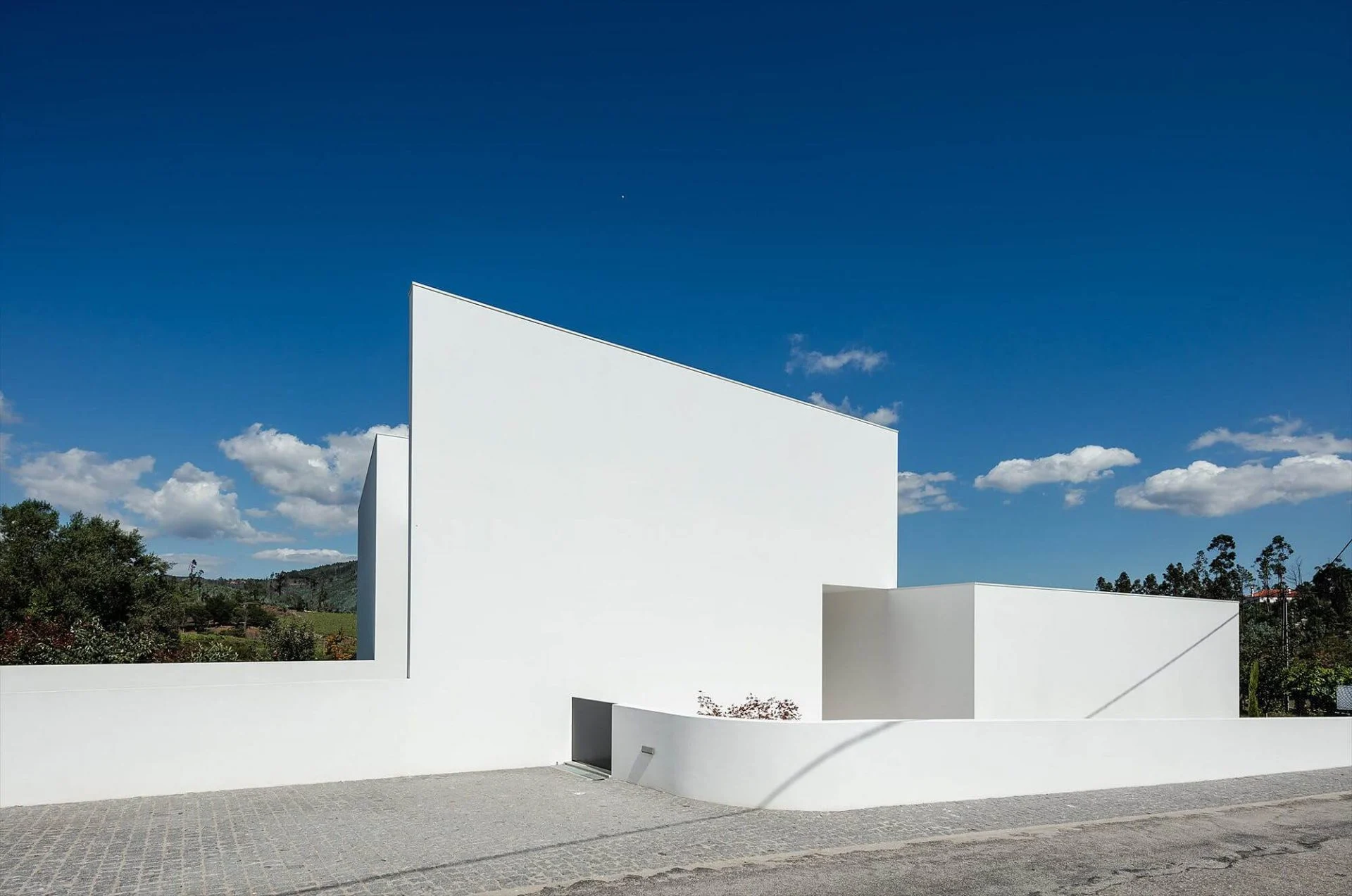
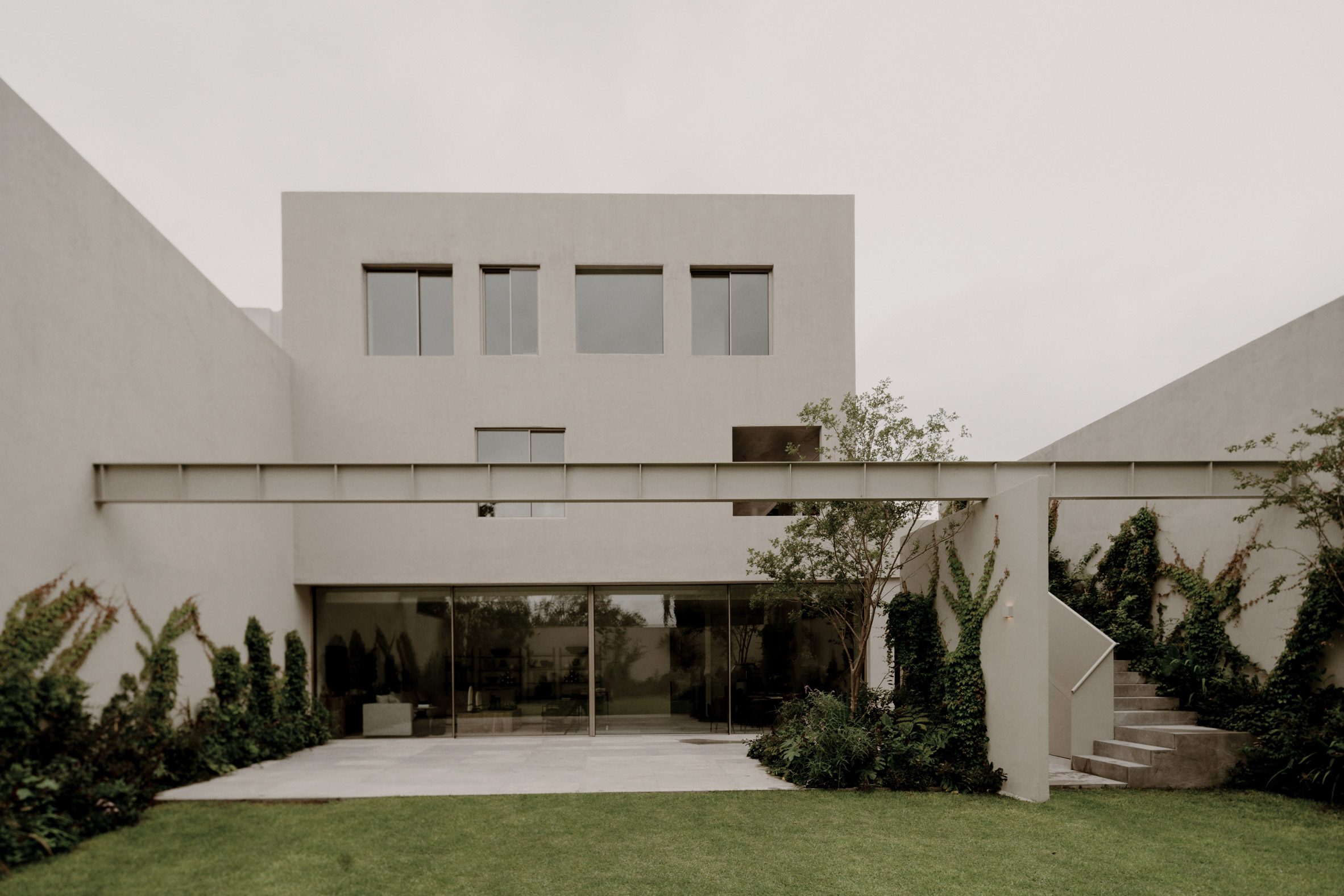
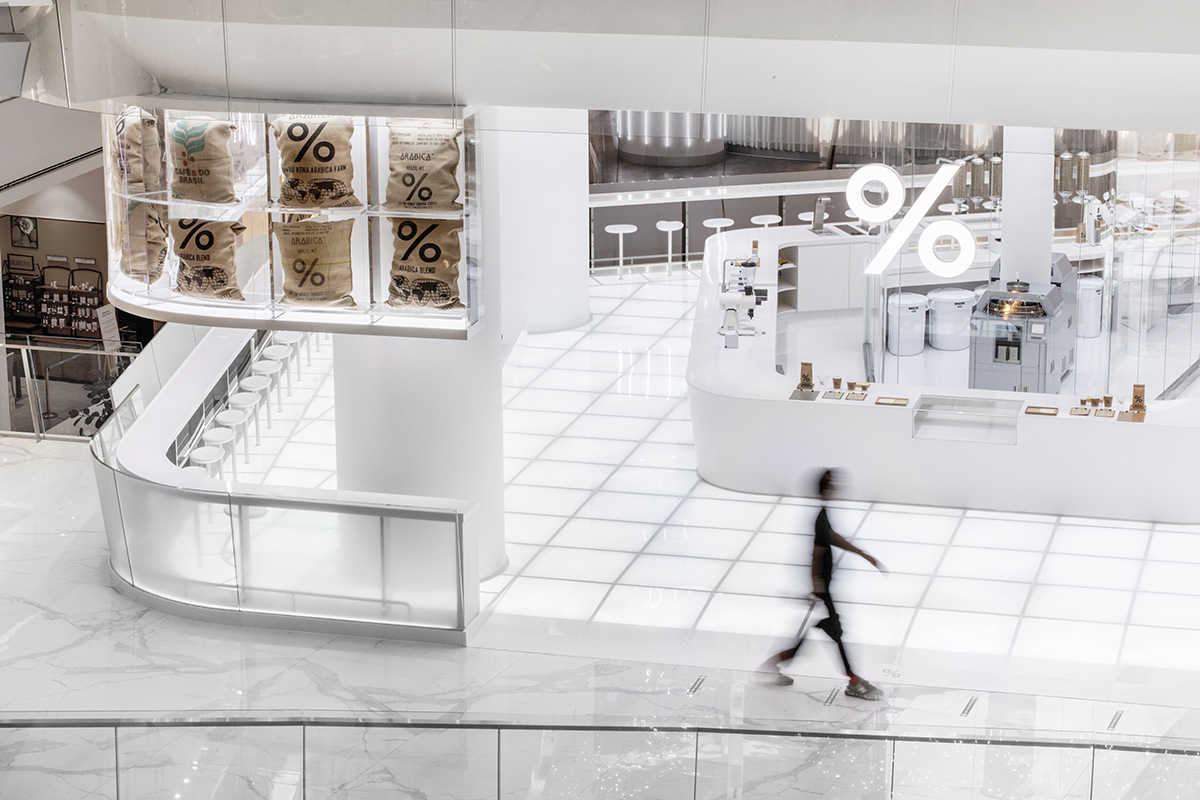
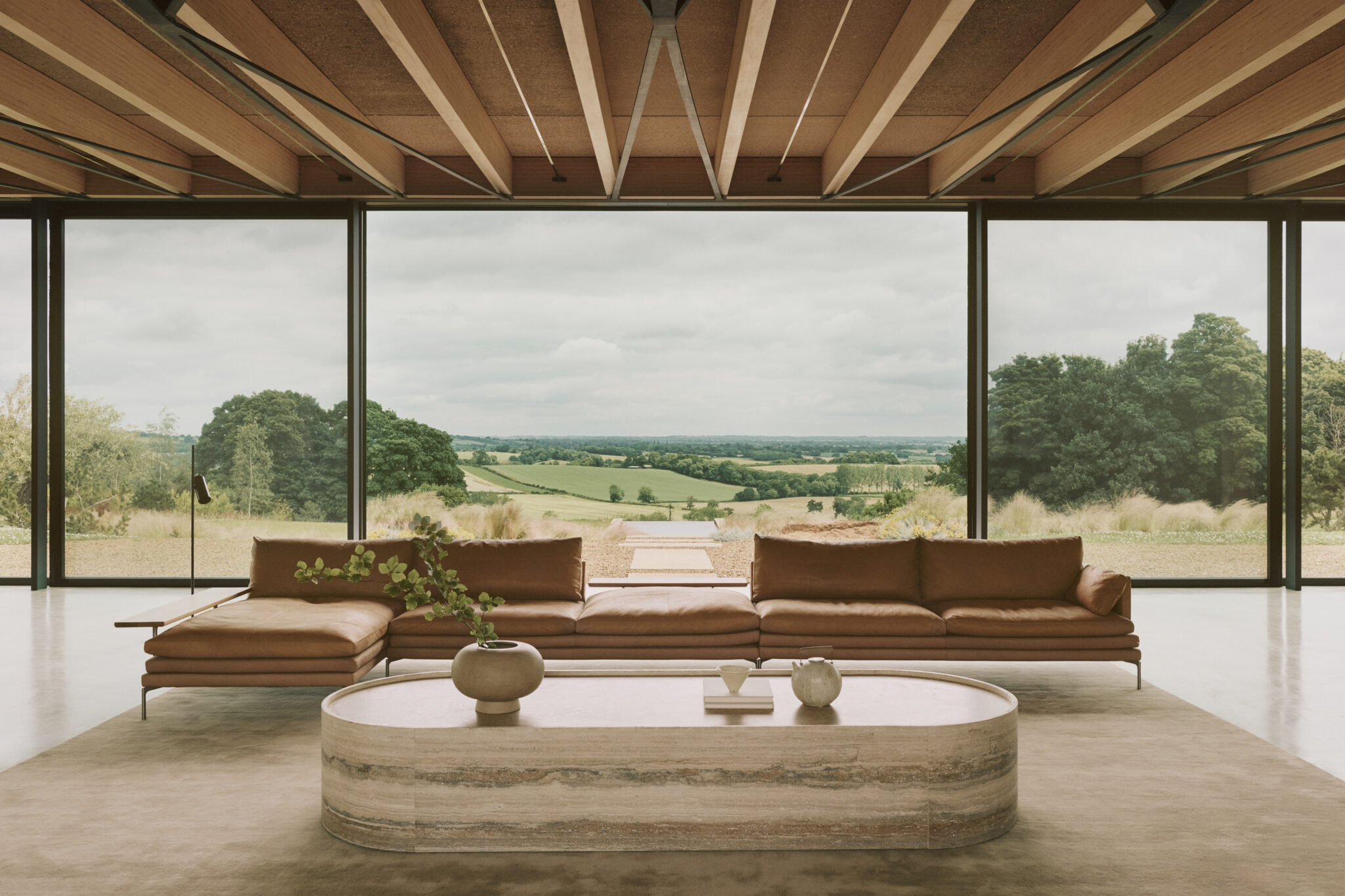
Minimalism in contemporary architecture: not just a style, but a philosophy of clarity, sustainability, and human-centered design
Source: OTIIMA
Design Takeaways
Minimalism, when applied thoughtfully, is both a practical toolkit and a philosophical compass. For architects, designers, and clients, the following takeaways highlight its relevance today:
Atmosphere Over Ornament: Minimalism is not about stripping everything bare; it is about elevating essentials. The absence of ornament allows atmosphere - light, shadow, sound, and texture - to take on emotional depth. The strongest minimalist spaces are memorable not for their austerity, but for how they make people feel.
Aligned with Ecology: Fewer materials, simpler construction methods, and timeless detailing naturally reduce environmental impact. By designing for durability and adaptability rather than fashion, minimalism supports sustainable development goals and future-proofs buildings against obsolescence.
Contextual Simplicity: Minimalism succeeds when it is grounded in place. Local stone, vernacular building techniques, or climate-specific layouts ensure that simplicity does not feel generic but instead resonates with cultural authenticity and environmental sensitivity.
Framework for Living: Minimalist design does not dictate how life should unfold; it creates the conditions for flexibility. Open, adaptable spaces can evolve with changing family structures, technologies, and lifestyles - proving that minimalism is not restrictive but liberating.
Timeless Value: Trends fade, but restraint has perennial relevance. Whether through ancient temples, mid-century modernist houses, or contemporary civic projects, simplicity has always offered a universal language. Minimalism is not about doing less for its own sake, but about crafting spaces with enduring meaning and purpose.
Conclusion
Minimalism has moved beyond the dogma of “less is more” to become a philosophy of clarity, care, and contextuality. It teaches us that simplicity is not emptiness but presence - that in removing excess, we make room for meaning. In an era when architecture must be sustainable, humane, and globally adaptable, the new minimalism proves that restraint is not a limitation but a liberation. Less is not just more - it is deeper, smarter, and infinitely more enduring.
Save this story. A free account keeps your reading list and the 07:00 email in one place.
CREATE FREE ACCOUNT →SIGN IN