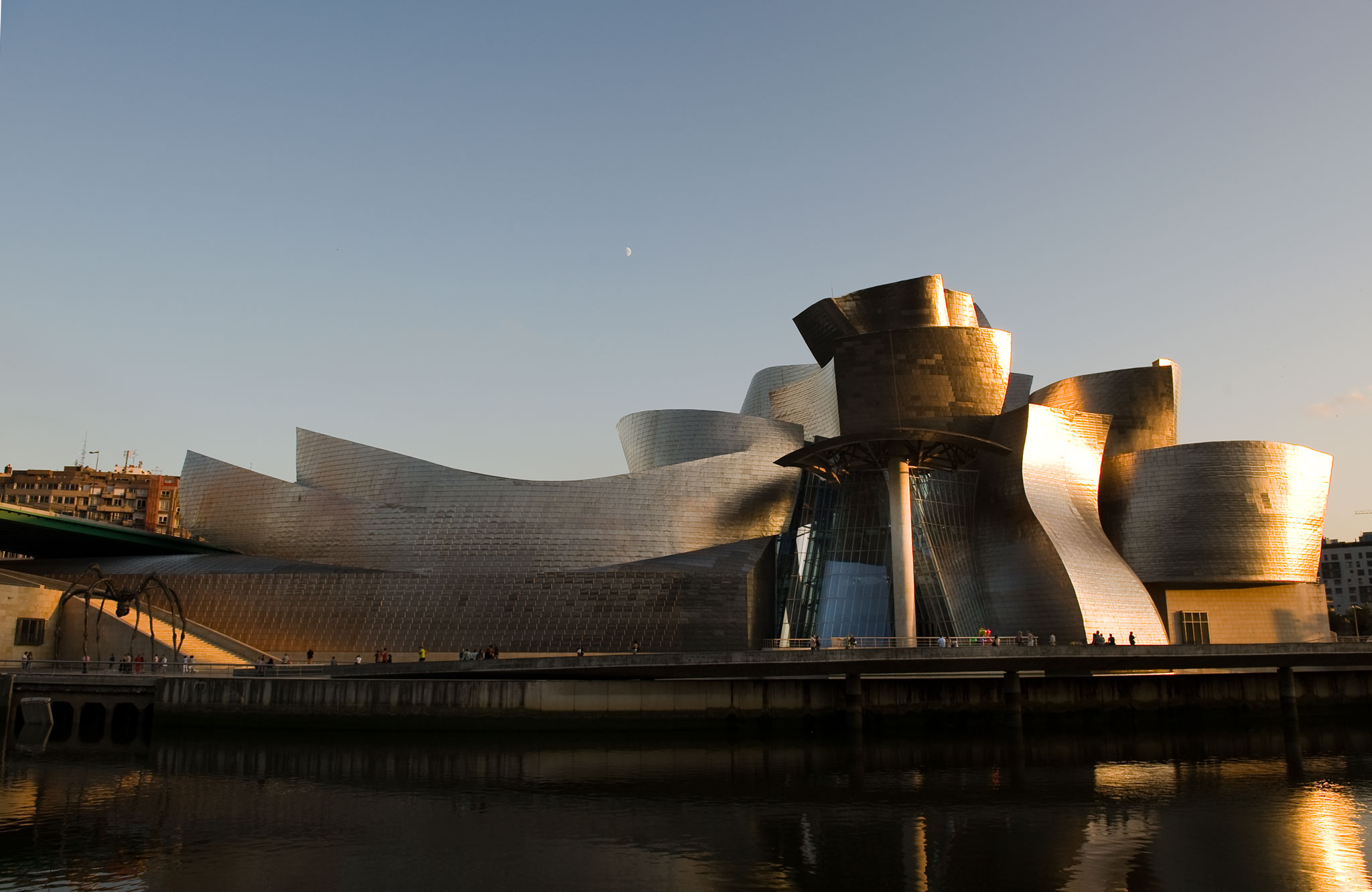
A walk along the Nervión River in Bilbao can feel like the city is holding its breath, waiting to be seen. Then the titanium curves of the Guggenheim Museum Bilbao catch the light, and the city seems to exhale. It is difficult to overstate how radically that single building reshaped Bilbao’s global image. Before 1997, Bilbao was largely invisible to international cultural tourism; after, it became shorthand for how architecture can reboot a city’s identity.

The Guggenheim Museum Bilbao rising from the Nervión Riverfront - an icon that helped rebrand a post-industrial city for the global stage
Photo Credit: David Vives
Urban planners and policymakers often refer to this phenomenon as the “Bilbao Effect” - the belief that a single iconic building can catalyze urban transformation. In Bilbao’s case, the effect was tangible. The museum drew millions of visitors, rebranded a post-industrial port as a cultural destination, and helped legitimize a broader regeneration strategy that included transit, waterfront restoration, and public space. The building, designed by Frank Gehry, became a logo one could walk through. It succeeded in part because it arrived in a city that had already committed to reinvention.

Frank Gehry’s signature curves turned architecture into spectacle and Bilbao into a global design reference point
Photo Credit: Guggenheim Museum Bilbao
Yet this narrative is often oversimplified. Bilbao’s transformation was not the product of architectural luck. The museum was anchored by a partnership with the Solomon R. Guggenheim Foundation, backed by sustained public investment and long-term urban planning. The architecture dazzled, but the city undertook the slower, less visible work of cleaning the river, upgrading infrastructure, and aligning cultural development with economic policy. The building remains memorable because buildings photograph well; the governance that made its success possible is easier to forget.

Tourists gather at Bilbao’s most famous address - proof of the so-called “Bilbao Effect”
Photo Credit: Guggenheim Museum Bilbao
There is a risk in flattening Bilbao’s experience into a global template: commission a star architect, erect a sculptural landmark, and wait for tourists. Results elsewhere have been mixed. Iconic architecture can amplify a city’s story, but it cannot invent one from nothing. Without a credible narrative to amplify, spectacle can become hollow. Cities may be left with expensive silhouettes and fragile cultural ecosystems, where public funds flow into monuments while everyday cultural workers struggle for support.
Another, quieter risk lies in branding a city through a single building. Such branding can narrow how the city is understood by outsiders and residents alike. When Bilbao becomes synonymous with a museum, the living culture of the Basque Country risks being framed as a backdrop for architectural tourism. A city’s identity is healthiest when it grows from plural stories: neighborhoods, language, food, music, and labor history - the texture of daily life.
The Guggenheim undeniably offered Bilbao confidence at a moment of post-industrial uncertainty. It signaled that the city believed it belonged in the global cultural conversation. That psychological shift matters. Cities are, in part, narratives told to residents and to the world. A powerful building can help rewrite that narrative, but only when the broader plot is already in motion.

The Guggenheim Museum Bilbao became a global case study in how culture can anchor urban regeneration
Photo Credit: Piotr Musiol
The real lesson of Bilbao is not that landmark architecture guarantees urban revival. It is that architecture can function as a catalyst, not a cure. Treating iconic buildings as urban silver bullets leads cities to purchase symbols when what they require are systems - housing that works, transit that connects, and cultural funding that sustains creators long after opening night fades.
Save this story. A free account keeps your reading list and the 07:00 email in one place.
CREATE FREE ACCOUNT →SIGN IN